Section 508 Compliance in Accessibility: A Complete Guide

[vc_row][vc_column][vc_column_text]Section 508 compliance in accessibility is a critical aspect of web development and design. It ensures that individuals with disabilities have equal access to electronic information and technology (EIT). Unfortunately, statistics have shown that as of 2022, 96.8% of all home pages had some form of failure with web accessibility requirements. This is an alarming statistic because it means that just over 3% of all web pages are accessible to people with disabilities. For businesses, this also means that you are losing out on a vast number of potential customers. Thus, this guide will explore the basics of Section 508 compliance, including what it is, why it’s essential, and how to ensure compliance on your website. Table of Contents: What is Web Accessibility, and Why Do We Need it? What is Section 508? How to be Section 508 Compliant? Are there any Exemptions? What are the Penalties for Not Being a Section 508 Complaint? Conclusion What is Web Accessibility, and Why Do We Need it? Web accessibility, simply put, means making websites, web applications, and digital content usable for people with disabilities. This includes individuals with any visual or hearing disabilities, individuals with cognitive or neurological disabilities, and individuals with mobility impairments. Web accessibility involves creating websites that can be easily navigated and understood by assistive technologies such as screen readers and keyboard-only users. It also involves using clear and straightforward language, providing alternative text for images, and designing forms that can be easily filled out for anyone with any disability. There are several reasons why web accessibility is essential. Firstly, it ensures that individuals with disabilities have equal access to digital information and technology. This is important because the internet has become a fundamental part of modern life, and everyone must have equal access to it. Secondly, web accessibility helps create a more inclusive and diverse digital environment. This is important because it ensures that everyone, regardless of their abilities, can be a part of the digital era and enjoy its perks, such as shopping, online banking, socializing, and so on. Finally, it is a legal requirement in many countries, and failure to comply with web accessibility regulations can result in penalties and legal action. What is Section 508? Section 508, a federal law in the United States, requires electronic information and technology to be accessible to people with disabilities. This includes websites, applications, and other digital content. The law was passed in 1998 as an amendment to the Rehabilitation Act of 1973 and applies to all federal agencies and organizations that receive federal funding. The primary goal of Section 508 compliance in accessibility is to make certain that individuals with disabilities have equal access to electronic information and technology. This includes providing that digital content is readable and understandable by screen readers, that images have alternative text, and that forms are easy to navigate. Section 508’s Standards for Electronic and Information Technology (EIT) provide guidelines on how to make web content, software, hardware, and other I.T. products accessible to people with disabilities, including people with visual, auditory, physical, and cognitive disabilities. The law also requires that any software, hardware, and other information technology systems or services developed, procured, maintained, or used by federal agencies must be accessible to people with disabilities unless an undue burden would be imposed on the entity. How to be Section 508 Compliant? Ensuring Section 508 compliance in accessibility on your website or application involves a combination of technical and organizational measures. Here are some critical steps to take to ensure compliance: Understand the requirements: Familiarize yourself with the Section 508 standards and guidelines for electronic and information technology. Conduct an accessibility audit: A thorough accessibility audit will help identify potential issues with your website or application. Develop an accessibility plan: Develop a plan that outlines the steps your organization will take to ensure compliance. Use accessibility testing tools: Several tools can help you test your website or application for accessibility issues. These tools can identify potential problems and provide recommendations for how to fix them. Train your staff: It is vital to ensure that your team is trained on accessibility and how to ensure compliance. This includes training on the use of accessibility testing tools and on the procedures outlined in your accessibility plan. Continuously monitor and test: Regularly test and monitor your website or application for accessibility issues and fix any identified issues. Incorporate accessibility in your development process: Incorporate accessibility best practices and guidelines in your development process, making accessibility an integral part of your development process. By following these steps and making accessibility an integral part of your development process, you can ensure compliance with Section 508 and provide equal access to digital information and technology for people with disabilities. Is Anyone Exempt from Complying with Section 508 Compliance in Accessibility? Section 508 compliance in accessibility applies to all federal agencies and organizations that receive federal funding. However, there are a few exceptions to this rule. The law includes a provision that allows federal agencies to claim an undue burden as an exception to the requirement to make their electronic information and technology accessible. An undue burden is defined as a significant difficulty or expense determined on a case-by-case basis, taking into account factors such as the nature and cost of the action needed, the impact on the agency’s operations, and the available resources. In addition, some small businesses and non-profit organizations may also be exempt from Section 508 if they can demonstrate that compliance would cause undue hardship. However, this exemption is rare and should be applied only in limited circumstances. It’s worth noting that other countries may have different regulations and laws that apply to accessibility, and these may have various exemptions and criteria. What are the Penalties for Not Being Section 508 Complaint? Failure to comply with Section 508 can result in penalties and legal action. The penalties will depend on the circumstances of the non-compliance and the agency or organization involved. For federal agencies, non-compliance
5 Reasons Why Business Accessibility is Important

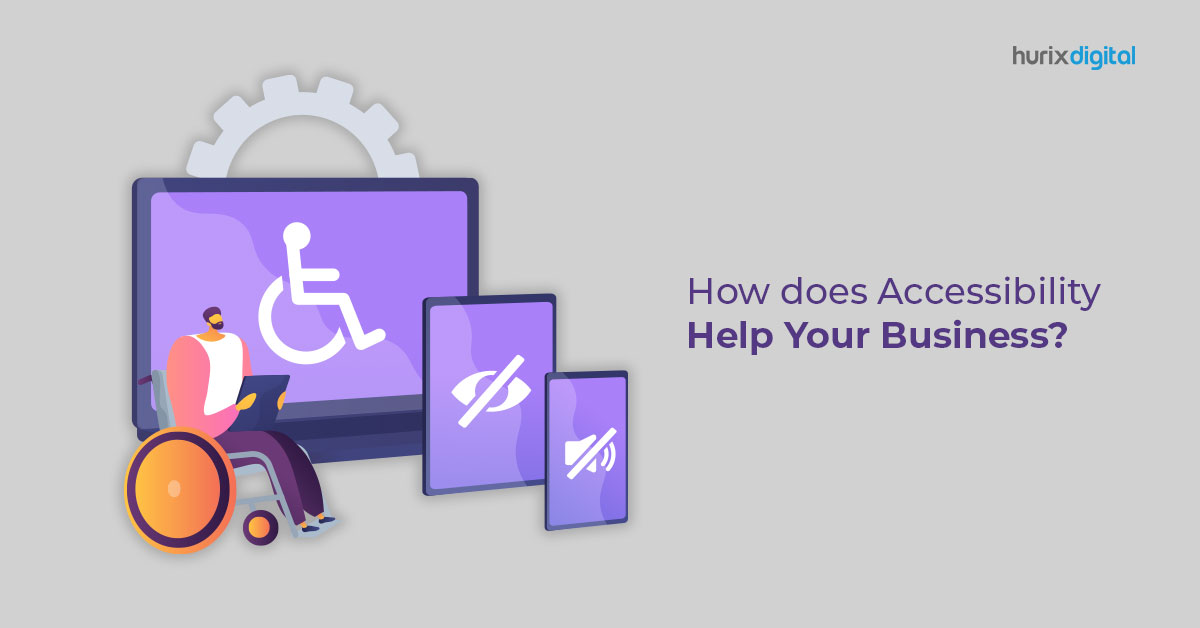
[vc_row][vc_column][vc_column_text]Society is comprised of people from diverse backgrounds, ethnicities, gender identities, sexualities, races, religions, and physical and mental capabilities. As part of a diverse society, businesses should ideally be accessible to as many people as possible, including those who are living with physical or mental disabilities.  According to a report produced by the World Health Organization (WHO), around 1.3 billion people accounting for 16% of the world population, are living with significant disabilities. This makes it extremely pertinent that businesses adopt systems and facilities that are accessible to a majority of the population.  Besides being the most inclusive and ethical choice, business accessibility can also benefit your organization in multiple ways. What is Business Accessibility? Business accessibility refers to the ease with which the organization’s products, services, and facilities can be used by the company’s employees and customers. A high degree of business accessibility is desired to be able to provide reach as many people as possible and ensure meaningful interaction with them.  In business accessibility, special attention is given to people with physical and mental disabilities.   Digital accessibility is a part of business accessibility, and it deals with the design of technological products and services so that people with various disabilities can partake in the use of the products and services.  Many people with disabilities rely on digital products and services for online shopping, working from home, banking, healthcare, etc. However, due to inadequate design, many online products and services are not accessible to people with disabilities.  This is why digital accessibility is extremely important in the modern age.  How Accessibility Helps Your Business  Business accessibility is a basic requirement and the right thing to do. It also benefits the business in numerous ways. Legal Compliance  Many countries have laws governing physical and digital accessibility.  Businesses that are not accessibility-compliant may face serious repercussions. Every business should strive for at least a basic level of compliance to avoid potential legal action.    Wider Audience Reach Since 1 in 6 people worldwide experiences some kind of a serious disability, the more digitally accessible a business is, the wider the audience it will be able to reach.  Businesses that reach a larger customer base are more likely to enjoy higher sales figures and greater profitability.  Improved User Experience  Business accessibility not only makes it possible for people with disabilities to use a company’s products and services, but it also improves the overall user experience for all its customers.  Digital accessibility means ease of use, text clarity, and better navigation—practices that benefit users of all abilities. Companies that don’t make their websites and apps accessible run the risk of automatically excluding a considerable portion of potential users by preventing them from building meaningful relationships with them.  Brand Image  An accessible business is likely to be viewed more favorably by customers. Just as bad accessibility can ruin a brand’s reputation, good accessibility practices can help build your brand image.  Companies that make an effort to be more accessible so that they can serve all of their customers more efficiently will gain more goodwill in the marketplace.  Better business accessibility will make your company stand out. Improved SEO Search engines like Google are dedicated to providing the best search results to their users. Search engine crawlers take into account the user experience of your website and rank it accordingly.  Accessibility is paramount to providing a great user experience, and companies that have a higher degree of accessibility are more likely to be ranked higher. It will boost your SEO efforts, which in turn will improve your ranking.  How to Make your Business Accessible? Now that you know how important accessibility is for growing your business and improving profitability, let us understand how you can make your business accessible. Make Accessibility a Part of Your Digital Strategy  It is a lot easier to implement accessibility while still planning your website content, so start with making accessibility a part of your digital strategy.  Figure out who your primary users are and what they require before determining the baseline for your website. Consider elements like colors, contrasts, alt text on images, font styles, use of interactive elements, etc., while planning and developing your website. Review Your Existing Websites  Review your existing websites periodically to ensure that they continue to meet the accessibility standards in your country. You can use Artificial Intelligence (AI) accessibility tools to uncover missing accessibility features and fix them.  Tools that actively monitor new accessibility issues are available for use.  Take Into Account Visual Disabilities  Various types of images and the colors used have an impact on how people with visual disabilities can access them. These factors also influence the alt text added to the images to make them accessible.  Providing appropriate alt text alternatives with the images is necessary to ensure ease of accessibility by those with visual impairments.  Consider Hearing Impairments  To make your audio content accessible to those with hearing impairments, you can include different types of video transcripts. Transcripts are written text recordings of audio that help people with hearing impairments understand the audio content.  Transcripts can be used for both audio-only and audio with visual media content.   Ensuring Accessibility Involves Teamwork   For a business to be truly accessible, everyone involved needs to be actively engaged in the endeavor.  Discuss accessibility with others in the company, ranging from the CEO to junior management members. Everyone has to be on board to start working on making the business accessible to as many people as possible, and this goal can be achieved by investing in an effective training management system.  How Can Hurix Help You with Business Accessibility? If you are a business owner looking to scale up your accessibility, there are several things to consider and work on. There are numerous benefits of working with an industry expert to review your business’s current level of accessibility and figure out the missing links to implement.  For over two decades, Hurix Digital has been actively engaged in making business spaces more inclusive and accessible. Contact our experts at Hurix to understand your accessibility needs better

6 Reasons Why You Should Consider LMS Testing

[vc_row][vc_column][vc_column_text]Learning is no more limited to hard copies. It has become virtual in this decade. Studies suggest that visuals are a great way to memorize lessons. However, visual learning may become monotonous too if we keep looking at our lessons and do not make the mind work on it.  Hence, to make learning interesting platforms like Hurix Digital created features and services that check on interesting and updated lesson plans. Apart from this, there also exists a Learning Management System or LMS that makes sure that learning is effectively benefitting its learners. The system is credited to provide multiple performance-improving services. What is LMS Testing? LMS testing refers to the process of evaluating the performance and effectiveness of a learning management system (LMS). This is important because an LMS is a crucial tool for delivering and managing online learning, and it’s essential that it functions properly and meets the needs of the learners and educators who use it. Here are six reasons why you should consider conducting LMS testing:   To ensure the quality of the learning experience An LMS that is not functioning properly or is difficult to use can hinder the learning experience and make it less effective. LMS testing can help identify and address any issues that may affect the quality of the learning experience.   To improve user satisfaction If learners and educators are dissatisfied with the LMS, they are less likely to use it and may even seek out alternative learning platforms. LMS testing can help identify and address any issues that may be causing dissatisfaction, leading to improved user satisfaction.   To identify and fix technical issues LMSs are complex pieces of technology, and like any other software, they can have technical issues that affect their performance. LMS testing can help identify and fix these issues, ensuring that the LMS performs as intended.   To improve the scalability of the LMS As the number of learners and courses on an LMS grows, it’s essential that the LMS is able to handle the increased load. LMS testing can help identify any potential scalability issues and provide recommendations for addressing them.   To ensure compliance with relevant standards Depending on the industry and context in which the LMS is being used, there may be specific standards and regulations that it must comply with. LMS testing can help ensure that the LMS meets these standards and regulations.   To support continuous improvement LMS testing should not be a one-time event, but rather an ongoing process to support the continuous improvement of the LMS. By regularly conducting LMS testing, you can identify and address any issues that arise, ensuring that the LMS remains effective and relevant.   Wrapping it up! Technology has indeed helped education improve its pace in this fast-moving work. Apart from making education interesting and fun, institutions can also concentrate on improving their performance. At Hurix Digital companies can not only work with a perfectly programmed LMS but also utilize functions that improve teaching and learning quality.  Hurix Digital provides a platform to explore newer ways of teaching. It follows a system in which learners can pick up lessons at their own pace and provide improved results and performance. Upskill your learning services today. Write to Hurix Digital for a plethora of features.[/vc_column_text][/vc_column][/vc_row]

21+ Workforce Learning Statistics 2023

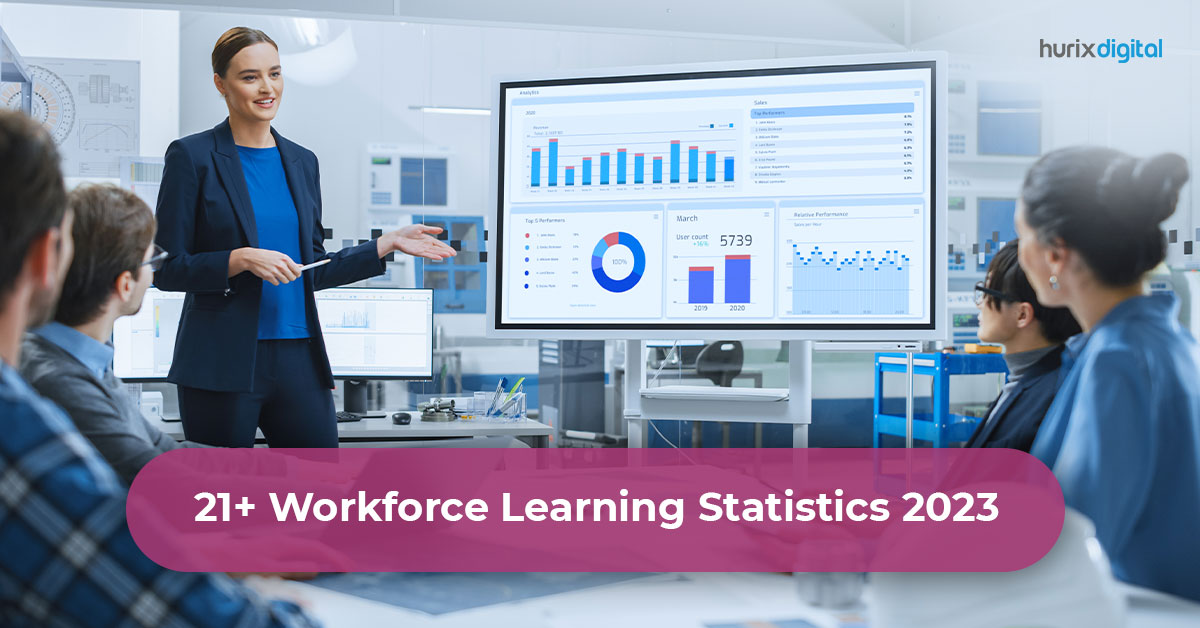
[vc_row][vc_column][vc_column_text]Accelerating technological innovations pose many unique and complex challenges in the workplace today that employees have to tackle daily. The post-pandemic norm of remote and hybrid working further adds to them. The latest workforce learning statistics prove that business leaders must upskill their workforce to meet these challenges and prepare for a rapidly changing future. This calls for an organization that reinforces a learning culture and finds its workforce more resilient, prepared, and ready to drive business impact. When employees are empowered to advance their skills and career through a multi-modal learning approach, their engagement with the organization skyrockets. In this blog, we will look at the state of current workforce learning along with the upskilling trends, what skills employees focus on, and their preferred learning methods. Workforce Upskilling Statistics With the rapid change in skills needed in the workplace, skill attainment becomes a continuous process. Employees today must be agile and ready to upskill themselves in technical areas and their functional roles to stay relevant. An organization-wide learning program and support culture will help get there. Here are some interesting statistics that reflect the need for skill development and employees’ commitment to upskilling: The Udemy Business Platform saw the total learning hours for technical skills increase by 49% this year compared to last year. The response to the pandemic has fast-forwarded digital adoption by five years. More than 58% of the workforce reported skill transformation since the onset of COVID-19. According to Gartner, the skill required for a single job is increasing by 10% year-over-year. On the other hand, 30% of skills needed three years ago will soon become relevant. A PwC survey found that 40% of workers improved their digital skills during the pandemic, and 77% are ready to learn new skills or completely retrain. An ADP study reveals that almost 70% of employees worldwide contemplated a significant career move in 2022. What Are Employees Learning at Work? To succeed in today’s competitive workplace, employees cannot be complacent with the skill set specific to their given role. They are continuously looking to expand their capabilities across broader categories, focusing on training ranging from business and tech skills to personal development. Here’s a look at the top consumed skills over the past year: According to the data on Udemy business, 50% of the learning hours spent on the ten most consumed business skills were spent on leadership and communication capabilities. Cryptocurrency and Stock trading are among the highest consumption topic in the finance category on the Udemy Platform. Similarly, SAP and financial accounting are the skills that have seen the highest increase in consumption. Digital marketing is the highest consumed skill in marketing at Udemy. 90% of marketers say they have changed their digital engagement strategy by at least some degree since the pandemic. The top surging project management and operations skills in Udemy include six sigma yellow belt, Professional Scrum Product Owner (PSPO), Lean manufacturing, and Kanban. Customer experience management is the most surging course in Sales. Learners also built their skills on technology that powers sales, such as salesforce software and SAP. Consumption of technical skills on Udemy Business has grown by 49% in aggregate year-over-year. The top consumed technical skills are cloud computing and data analysis & security. Python is the most consumed development skill for its application in software development and data science projects. Excel, PowerPoint, Excel VBA, Microsoft Power Automate, and Pivot tables are among the top consumed office productivity skills. Personal productivity, time management, English language, English grammar, and IELTS are among the top consumed personal skills. Other General Workforce Training Statistics Companies use different workforce training delivery methods that significantly vary with company size. According to the 2022 Training Industry report, instructor-led or classroom-based training remains the most preferred delivery method by small, midsize, and large companies in the U.S. 44% of small companies prefer instructor-led training, while only 27% use blended learning methods and virtual classrooms. In the case of mid-sized companies, 39% use instructor-led training, 25% use blended learning, and 17% use virtual classrooms. For large companies, the use of instructor-led training decreases to 36%, and the blended learning approach increases to 34%. Midsize companies (6%) are the highest users of mobile-based learning, followed by small (5%) and large companies (4%). However, online and virtual learning solutions are rising globally and are preferred by employees as they provide more flexible schedules and learning paces. They are most popular among busy professionals: 68% of employees prefer to learn or train in the workplace. 58% of employees prefer to learn or train at their own speed. 49% of employees prefer to learn or train when necessary. Need-based training contributes to high employee satisfaction and helps them develop a positive attitude toward learning. Providing opportunities for growth through training can also increase employee loyalty toward the organization. 39% of U.S. employees consider growth potential as a contributor to employee satisfaction. 94% of employees would stay longer in companies willing to invest in their professional development. Final Words With the right learning program, organizations can support, upskill and prepare their employees for what comes next. However, offering just any learning program is not the answer. For best results, the learning and skill development should connect with the organization’s objective, goals, and employee’s functional role in the workplace. Hence, a practical, integrated, and customized learning solution is the need of the hour for all businesses to propel their growth forward. At Hurix, we help institutions across industries achieve their learning goals with our customizable e-learning content solutions that are unique to their needs. Our intuitive solutions are equipped with the best-in-class technology and software infrastructure to provide a holistic learning experience fit for modern-day learners. Get in touch with us to learn how we can help empower your institution with our custom learning management and support solutions.[/vc_column_text][/vc_column][/vc_row]

5 Lifelong Learning Methods for Students and Institutions in 2023

[vc_row][vc_column][vc_column_text]Here’s all you need to know about lifelong learning, its importance, challenges, and solutions – all in one place! Table of Contents: What is Lifelong Learning? How Can Educational Institutions Provide Lifelong Learning? How Can Your Students Pursue Lifelong Learning? Pros of lifelong learning in higher education Cons of lifelong learning in higher education Leverage Hurix LMS for Custom Learning Solutions What is Lifelong Learning? Lifelong learning is the ongoing, voluntary, and self-motivated pursuit of knowledge for either personal or professional reasons. It can include anything from formal education to self-directed learning.  How Can Educational Institutions Provide Lifelong Learning? Here are 5 methods by which educational institutions can provide lifelong learning opportunities: 1. Offer continuing education programs  Educational institutions can offer continuing education programs or professional development opportunities for individuals who want to learn new skills or stay current in their field. These programs can be offered on campus or online, ranging from short courses to degree programs. 2. Provide access to educational resources Educational institutions can provide access to a wide range of educational resources, such as libraries, online courses, and workshops, which can be useful for individuals engaging in self-directed learning. 3. Partner with industry organizations Educational institutions can partner with industry organizations to provide learning opportunities and resources for their members. 4. Encouraging experiential learning Educational institutions can also encourage experiential learning by providing students with real-world experience through internships, job shadowing, and other hands-on learning opportunities. 5. Promote a culture of lifelong learning Finally, educational institutions can promote a culture of lifelong learning by encouraging students and faculty to engage in continuous learning and by recognizing and rewarding those who are committed to lifelong learning. Read more: How to Promote a Culture of Lifelong Learning in the Classroom How Can Your Students Pursue Lifelong Learning? Your students can consider these 5 methods to pursue lifelong learning: 1. Take advantage of educational resources Students can take advantage of the educational resources available, such as library resources, online courses, and workshops offered by their school or community. 2. Seek out internships or job shadowing opportunities Internships and job shadowing opportunities can provide students with valuable hands-on learning experiences and allow them to explore different career paths. 3. Participating in extracurricular activities Extracurricular activities, such as clubs, sports, and volunteer work, can be a great way for students to learn new skills and gain valuable experience. 4. Engage in self-directed learning Students can also engage in self-directed learning by reading books or articles, following thought leaders in their field on social media, or experimenting with new technologies or approaches in their studies. 5. Seek out mentorship or coaching Finally, students can seek mentorship or coaching from more experienced professionals or professors, providing valuable insights and guidance as they continue to learn and grow. With so much said, it’s essential to understand the upside and downsides of lifelong learning: Pros of lifelong learning in higher education It can help individuals stay current in their field and adapt to new technologies and changing job markets. It can help individuals develop new skills and expertise, making them more valuable to their current or future employers. It can provide individuals with the knowledge and skills they need to achieve their career goals. It can increase job satisfaction by helping individuals feel more engaged and motivated in their work. It can lead to increased earning potential, as well-educated individuals with a wide range of skills may be more attractive to employers and may be able to command higher salaries. Read More: Advantages of Lifelong Learning for the Younger Generations Cons of lifelong learning in higher education It can be time-consuming and may require a significant investment of time and money. It may be difficult for individuals to balance lifelong learning with other responsibilities, such as work and family. It may be challenging for individuals to stay motivated and focused on their learning goals. It may be challenging for individuals to find learning opportunities that meet their needs or interests. Leverage Hurix LMS for Custom Learning Solutions Let not the challenges scare you away – receive impeccable learning solutions for your educational institution. We at Hurix help you create tailored learning paths for your students.  Our Learning Management System: Provides a central point for storing and organizing course materials, such as lectures, assignments, and assessments. Facilitates communication and collaboration among students and instructors by providing a platform for discussion forums and other interactive features. Helps in tracking student progress and providing feedback to students and instructors. Enables the delivery of online courses and programs, making it easier for students to access course materials and participate in learning activities from any location. Reduces the administrative burden on instructors by automating tasks such as grading and tracking attendance. Offers educational institutions data and analytics to improve the learning experience and informed decision-making. Get in touch with us at marketing@hurix.com for further details![/vc_column_text][/vc_column][/vc_row]

How Game-Based Learning Solutions Raise Productivity and Drive Business Growth?

[vc_row][vc_column][vc_column_text]Game-based learning solutions have the potential to elevate the quality and impact of learning. As children, we loved playing games. After all, games challenged us to be creative, build skills, and collaborate with peers. Moreover, the engagement factor in games enabled us to learn and develop diverse cognitive skills. Now, imagine if we continued playing games as adults in the quest of learning new skills and building knowledge… We still can! Studies show that game-based learning solutions accelerate the pace at which we understand new concepts. For instance, many learners struggle when studying math concepts. However, when math is taught through game-based learning solutions, pupils are more motivated to learn. This approach positively impacts their understanding and retention of concepts.  To survive and thrive in a digitally-dynamic, hybrid, or remote model workplace, professionals need to be able to continually learn, upskill, and upgrade their knowledge to stay relevant. Learning gaps greatly reduce productivity, which in turn, impacts the revenue and profitability of businesses. They also demotivate employees and trigger higher attrition levels.  Here’s a look at how game-based learning solutions can motivate employees to keep learning, absorb new skills faster, and retain knowledge, raising productivity to new heights.  1. Builds an Immersive Experience  Online games have long captured the imagination of gamers because they allow them to enter a new world of surprises, challenges, treatures, and adventures for the duration of the game. Adapting the same approach to workplace learning via game-based learning solutions has shown the potential for quicker learning outcomes and higher motivation in workforces to learn. The learner becomes an essential part of the game and is engaged through the adage – learning by doing.  2. Encourages Problem-Solving  Companies need to continually solve problems to have a competitive edge in the markets they serve. Workforces that have problem-solving acumen can stay ahead of the curve. Game-based learning solutions proactively encourage players to put on their problem-solving hats and rise to any problem-solving challenge. They offer both challenges and rewards, making the journey fulfilling and rewarding.  3. Makes It Collaborative  Today, professionals need to collaborate with teammates around the world. They might speak different languages and come from various ethnicities and cultures. They may be from different age groups. It may be harder to bond and inculcate team spirit over a formal meeting via video conference. However, everyone loves to play! Being part of the same team for an online game can bring workforces together and solve problems as a team. Game-based learning solutions thus encourage collaboration by design.  4. Makes Learning Fun with Puzzles!  As kids, we loved solving puzzles. The mystery, suspense, and challenge made it exciting. It also enabled us to show off our knowledge and cognitive abilities. Puzzles are a great tool for learning at work, too. They can test our knowledge and skills and challenge us to bring our best out-of-the-box thinking to the table.  5. Builds Multiple Skills  With automation taking over several tasks, professionals will be expected to learn multiple new skills and excel at them. Game-based learning solutions facilitate learners to build and hone multiple skills – from communication and coding to product management and data analytics.  6. Provides Instant Feedback  Another reason learners love game-based learning solutions is that they receive instant feedback for their performance. Feedback can be in the form of points, scores, powers, or rewards, which motivates learners to go back and try to improve their performance.  7. Encourages Self-Learning  Self-learning is a valuable practice in a fast-moving business world, where the time frame to respond to a client query or to take a product to market has greatly reduced. Game-based learning solutions encourage team members to be self-reliant and invested in self-learning. The experience of playing a game as an individual player enables this approach to problem-solving as well, which is as important as being a team player.  8. Enables Tracking Learner Performance and Success  Learning platforms offering game-based learning solutions enable admins and managers to track the performance of their team members. Access to data and actionable analytics empowers managers to understand how teams are collaborating. They can also track learners’ performance on an individual level and identify learning needs more accurately.   9. Delivers Higher Return on Investment  The cost of hiring instructors or paying for external learning programs for team members is an expensive proposition. It is also not as effective as game-based learning solutions. Hence, more organizations are investing in building customized learning systems that engage learners and inspire them to keep learning and upgrading their skills.  The Takeaway Game-based learning solutions ignite our childlike love for games with a strategic approach to learning skills and building knowledge. This creates a meaningful experience for learners while also building measurability into the experience for organizations.  Learning tools can include situational judgment scenarios, puzzles, problem-solving games, strategic games, and challenge-based games. The aim is to trigger a creative approach to problem-solving, inspire innovation, and build a collaboration mindset in teams. For businesses, adopting a game-based learning solution can be a highly cost-effective way for their workforce to build skills, learn how to collaborate, and stay motivated at work.   If your company needs support reimagining your workforce learning systems, Hurix Digital can build a comprehensive, customized learning solution tailored to your workforce’s needs. Connect with us to start a conversation. [/vc_column_text][/vc_column][/vc_row][vc_row][vc_column][vc_raw_html]JTNDc2NyaXB0JTIwdHlwZSUzRCUyMmFwcGxpY2F0aW9uJTJGbGQlMkJqc29uJTIyJTNFJTBBJTdCJTBBJTIwJTIwJTIyJTQwY29udGV4dCUyMiUzQSUyMCUyMmh0dHBzJTNBJTJGJTJGc2NoZW1hLm9yZyUyMiUyQyUwQSUyMCUyMCUyMiU0MHR5cGUlMjIlM0ElMjAlMjJCbG9nUG9zdGluZyUyMiUyQyUwQSUyMCUyMCUyMm1haW5FbnRpdHlPZlBhZ2UlMjIlM0ElMjAlN0IlMEElMjAlMjAlMjAlMjAlMjIlNDB0eXBlJTIyJTNBJTIwJTIyV2ViUGFnZSUyMiUyQyUwQSUyMCUyMCUyMCUyMCUyMiU0MGlkJTIyJTNBJTIwJTIyaHR0cHMlM0ElMkYlMkZ3d3cuaHVyaXguY29tJTJGaG93LWdhbWUtYmFzZWQtbGVhcm5pbmctc29sdXRpb25zLXJhaXNlLXByb2R1Y3Rpdml0eS1hbmQtZHJpdmUtYnVzaW5lc3MtZ3Jvd3RoJTJGJTIyJTBBJTIwJTIwJTdEJTJDJTBBJTIwJTIwJTIyaGVhZGxpbmUlMjIlM0ElMjAlMjJIb3clMjBHYW1lLUJhc2VkJTIwTGVhcm5pbmclMjBTb2x1dGlvbnMlMjBSYWlzZSUyMFByb2R1Y3Rpdml0eSUyMGFuZCUyMERyaXZlJTIwQnVzaW5lc3MlMjBHcm93dGglM0YlMjIlMkMlMEElMjAlMjAlMjJkZXNjcmlwdGlvbiUyMiUzQSUyMCUyMkdhbWUtYmFzZWQlMjBsZWFybmluZyUyMHNvbHV0aW9ucyUyMGhhdmUlMjB0aGUlMjBwb3RlbnRpYWwlMjB0byUyMGVsZXZhdGUlMjB0aGUlMjBxdWFsaXR5JTIwYW5kJTIwaW1wYWN0JTIwb2YlMjBsZWFybmluZy4lMEElMEFBcyUyMGNoaWxkcmVuJTJDJTIwd2UlMjBsb3ZlZCUyMHBsYXlpbmclMjBnYW1lcy4lMjBBZnRlciUyMGFsbCUyQyUyMGdhbWVzJTIwY2hhbGxlbmdlZCUyMHVzJTIwdG8lMjBiZSUyMGNyZWF0aXZlJTJDJTIwYnVpbGQlMjBza2lsbHMlMkMlMjBhbmQlMjBjb2xsYWJvcmF0ZSUyMHdpdGglMjBwZWVycy4lMjBNb3Jlb3ZlciUyQyUyMHRoZSUyMGVuZ2FnZW1lbnQlMjBmYWN0b3IlMjBpbiUyMGdhbWVzJTIwZW5hYmxlZCUyMHVzJTIwdG8lMjBsZWFybiUyMGFuZCUyMGRldmVsb3AlMjBkaXZlcnNlJTIwY29nbml0aXZlJTIwc2tpbGxzLiUwQSUwQU5vdyUyQyUyMGltYWdpbmUlMjBpZiUyMHdlJTIwY29udGludWVkJTIwcGxheWluZyUyMGdhbWVzJTIwYXMlMjBhZHVsdHMlMjBpbiUyMHRoZSUyMHF1ZXN0JTIwb2YlMjBsZWFybmluZyUyMG5ldyUyMHNraWxscyUyMGFuZCUyMGJ1aWxkaW5nJTIwa25vd2xlZGdlJUUyJTgwJUE2JTBBJTBBV2UlMjBzdGlsbCUyMGNhbiUyMSUwQSUwQVN0dWRpZXMlMjBzaG93JTIwdGhhdCUyMGdhbWUtYmFzZWQlMjBsZWFybmluZyUyMHNvbHV0aW9ucyUyMGFjY2VsZXJhdGUlMjB0aGUlMjBwYWNlJTIwYXQlMjB3aGljaCUyMHdlJTIwdW5kZXJzdGFuZCUyMG5ldyUyMGNvbmNlcHRzLiUyMEZvciUyMGluc3RhbmNlJTJDJTIwbWFueSUyMGxlYXJuZXJzJTIwc3RydWdnbGUlMjB3aGVuJTIwc3R1ZHlpbmclMjBtYXRoJTIwY29uY2VwdHMuJTIyJTJDJTBBJTIwJTIwJTIyaW1hZ2UlMjIlM0ElMjAlMjJodHRwcyUzQSUyRiUyRnd3dy5odXJpeC5jb20lMkZ3cC1jb250ZW50JTJGdzMtd2VicCUyRnVwbG9hZHMlMkYyMDIxJTJGMDYlMkZnYW1lLWJhc2VkLWxlYXJuaW5nLTEyMDB4NTY1LmpwZWd3My53ZWJwJTIyJTJDJTIwJTIwJTBBJTIwJTIwJTIyYXV0aG9yJTIyJTNBJTIwJTdCJTBBJTIwJTIwJTIwJTIwJTIyJTQwdHlwZSUyMiUzQSUyMCUyMk9yZ2FuaXphdGlvbiUyMiUyQyUwQSUyMCUyMCUyMCUyMCUyMm5hbWUlMjIlM0ElMjAlMjJIdXJpeCUyMERpZ2l0YWwlMjIlMkMlMEElMjAlMjAlMjAlMjAlMjJ1cmwlMjIlM0ElMjAlMjJodHRwcyUzQSUyRiUyRnd3dy5odXJpeC5jb20lMkYlMjIlMEElMjAlMjAlN0QlMkMlMjAlMjAlMEElMjAlMjAlMjJwdWJsaXNoZXIlMjIlM0ElMjAlN0IlMEElMjAlMjAlMjAlMjAlMjIlNDB0eXBlJTIyJTNBJTIwJTIyT3JnYW5pemF0aW9uJTIyJTJDJTBBJTIwJTIwJTIwJTIwJTIybmFtZSUyMiUzQSUyMCUyMkh1cml4JTIwRGlnaXRhbCUyMiUyQyUwQSUyMCUyMCUyMCUyMCUyMmxvZ28lMjIlM0ElMjAlN0IlMEElMjAlMjAlMjAlMjAlMjAlMjAlMjIlNDB0eXBlJTIyJTNBJTIwJTIySW1hZ2VPYmplY3QlMjIlMkMlMEElMjAlMjAlMjAlMjAlMjAlMjAlMjJ1cmwlMjIlM0ElMjAlMjJodHRwcyUzQSUyRiUyRnd3dy5odXJpeC5jb20lMkZ3cC1jb250ZW50JTJGdzMtd2VicCUyRnVwbG9hZHMlMkYyMDE3JTJGMDElMkZIdXJpeC1Mb2dvLTEucG5ndzMud2VicCUyMiUwQSUyMCUyMCUyMCUyMCU3RCUwQSUyMCUyMCU3RCUyQyUwQSUyMCUyMCUyMmRhdGVQdWJsaXNoZWQlMjIlM0ElMjAlMjIyMDIyLTA5LTI2JTIyJTBBJTdEJTBBJTNDJTJGc2NyaXB0JTNFJTBBJTBB[/vc_raw_html][/vc_column][/vc_row]

5 Key Challenges in Online Education in 2023: How to Overcome Them?

[vc_row][vc_column][vc_column_text]Education has been witnessing a steady shift to the online world over the past few years. Leaving behind rote learning in physical classrooms, schools, universities, and other institutes around the world are now offering online learning solutions that enable people to access education from anywhere they might be. While this revolution has had several benefits, especially during the COVID-19 pandemic, as it allowed students to attend their classes regardless of the physical restrictions levied by lockdowns the world over, the approach comes with its fair share of challenges. This blog will dive into five key challenges in online education for teachers and students alike and what institutes can do to bridge these gaps. Table of Contents: What are the Five Key Challenges in Online Education in 2023? 1.1 Decreased Resolutions to Technical Issues 1.2 An Increasing Lack of Motivation 1.3 The Lack of Technology to Access Online Education 1.4 An Increasing Feeling of Isolation 1.5 The Challenge of Keeping Students Engaged Who is Likely to Face Challenges in Online Education? How to Overcome the Challenges in Online Education? Conclusion   What are the Five Key Challenges in Online Education in 2023? 1. Decreased Resolutions to Technical Issues Online education has only been made possible due to the immense role played by technology. This could be in the form of the devices students use to access their programs online, the massive platforms that provide these programs, or even the devices both students and teachers use to access these resources. While this whole ecosystem has improved access to education on the whole, it also means that any technical issues now have to be dealt with at an individual level. For instance, the sudden switch to online education during the pandemic came with a huge learning curve, especially for teachers who weren’t as accustomed to using technology as younger students were. To further complicate this, any issues with their devices, difficulty in understanding the interface, or more, had to be dealt with by the teachers themselves by seeking their kids’ help or that of those around them. This is one of the key challenges that can be a barrier to accessing this technology. 2. An Increasing Lack of Motivation One of the biggest changes the shift to online education has brought about is an increasing lack of motivation. This is because students are often more motivated to engage with their academic courses in a physical environment around their peers and teachers. With the switch to online learning, however, the lack of a friendly and competitive environment often takes away from a feeling of urgency and the importance of time management. This, in turn, affects their ability to meet deadlines, attend their classes on time, and progress in their learning. Further, it makes students more prone to get distracted, especially with the immense amount of content available online. 3. The Lack of Technology to Access Online Education According to a study conducted by the Pew Research Center, one-third of households with children between the ages of 6-17 and an annual income that falls below $30,000 have no access to high-speed internet at home. This digital divide prevents this group of students from being able to access a commodity as essential as their K-12 level education. While the US has been significantly increasing its investments in e-learning, this gap is yet to be bridged. Further, students’ preference for a fully virtual system of learning is also relatively low. 65% of teens in the US say that they would like to return to school in person post-pandemic, displaying a strong preference for learning with their peers present in person. 4. An Increasing Feeling of Isolation The sudden shift to online education has also led to increased feelings of isolation, as students no longer have their peers around them to be able to rely on. After all, human beings are social animals, and human interaction is crucial from a psychological perspective. This is possibly one of the biggest challenges in online education. While the quiet and alone time that comes with studying from home can benefit some, it often leads to demotivation for others. This sense of demotivation also makes it easy for them to get distracted. Further, the preference for studying in school is one of the primary factors influencing the statistics mentioned in the previous section. 5. The Challenge of Keeping Students Engaged While it’s common for students to feel a sense of boredom, demotivation, or even isolation, tackling these issues in a constructive manner can also be challenging for teachers. This is because online education doesn’t offer them the luxury of curating engaging modes of studying or collaborative projects the way they would in a physical classroom. As a result, teachers also have to think of new ways to keep their students engaged to ensure that they remain motivated, manage their time well, and progress well academically. Who is Likely to Face Challenges in Online Education? The challenges in online education mentioned above are just the tip of the iceberg. There are several more ways in which online education, at its current nascent stage, can prove to be challenging to all its stakeholders. Among these, those directly involved in the process of dispensing this education and receiving it (teachers and students) are bound to deal with these challenges on a daily basis. However, teachers can only do so much when they’re separated from their students via a screen, and this is where ed-tech companies and those that curate online courses must find intuitive ways of making the learning experience a lot more wholesome and engaging for students and teachers alike. Moreover, those from comparatively underprivileged backgrounds are likely to face these challenges far more intensely, as they often deal with a lot more when it comes to the digital divide, isolation, or even distractions as a result of them having to contribute to their finances. How to Overcome the Challenges in Online Education? While institutes around the world are witnessing a return to

5 Reasons Why the FinTech Industry Needs Workforce Learning and Development

[vc_row][vc_column][vc_column_text]With the increasing numbers of FinTech startups, there is a growing demand for FinTech industry entities to be competitive and to offer more advanced products and services. Workforce learning and development comes as a multi-faceted solution in this regard. Digital progress has led to more sophisticated projects and offerings for customers. According to PwC, 66% of customers expect financial institutions to digitize all aspects, including customer interaction, sales, and service, by 2025. However, a major gap in the FinTech industry is the lack of sufficient training and tech talent. Workforce learning and development has emerged as a key requirement for the industry. So why should the FinTech industry leverage workforce learning and development? Here are 5 reasons why.  1. Increased Demand Due to Rapid Industry Growth  The rapid growth of the FinTech industry has led to an increased demand for skilled and competent professionals. According to Research and Markets, the FinTech market is projected to grow at a CAGR of 26.87% by 2026. Technological advancement and innovation have led to a need for more refined skills and tech learning. The demand for tech competence is leading to an increased need for workforce development. Positions in different areas like software development, artificial intelligence, and data analytics require improved workforce training. In response to new market trends, employers must offer learning solutions to meet the need for new workforce skills.  Apart from the growing number of FinTech startups, banks, financial institutions, and financial organizations are also increasingly going digital and looking to advance and expand their technical capacities.  The total value of digital transactions is projected to go up to $8.49 trillion by the end of 2022. As financial services and products shift to the digital arena, finance professionals increasingly require specialized digital financial learning.  2. Retaining and Attracting Talent  Since the pandemic, there has been a rising trend of employee departures and shifts in employment. This trend has affected several industries, including the FinTech industry. The growing number of FinTech companies has added to this since it led to increased demand for tech employees. Banks and financial organizations faced issues retaining employees as multiple tech employees found more attractive openings in FinTech companies. Due to the increased pressure to find ways to retain employees, financial and Fintech employers need to incentivize and encourage employees by offering scope for training and development.  Offering employees training, learning, and development opportunities is a great way to encourage them to stay on. Due to continuously advancing technologies and digital tools, the workforce in the Fintech industry can particularly benefit from training and development. Offering continuous scope for workforce learning is a great way to retain and attract tech talent in a competitive industry where technical skills are important.  3. New Roles and Internal Mobility Internal mobility is an important factor in banks and financial institutions. According to an Ernst & Young report, internal mobility plays a key role in retaining employees. Internal mobility refers to shifting employees from one department to another. This is leveraged by financial organizations to retain talent and motivate employees to continue and move into different roles. Since it is increasingly difficult to find new talent due to the growing positions available for FinTech employees, banks and financial organizations are looking at cultivating talent within, along with internal mobility, retraining, and reskilling current employees to step into open roles. In addition to this, new areas like data analytics, machine learning, and business intelligence require more sophisticated skills and learning tools. However, according to a study by Capgemini, more than half of tech employees say that the training programs at their workplace are not effective. Given that new and upcoming areas require more advanced skills, it is all the more integral for FinTech businesses to offer improved learning and development capacities.  This also enables your business to save on additional expenses and time incurred in finding and hiring new employees. Employee replacement affects the regular continuance of work. Frequent changes can also impact the rest of the team, who have to cover for others until a replacement is found. Reducing employee turnover and promoting internal talent can be good ways to prevent this. Additionally, training a new employee from scratch can be costly and time-consuming compared to upskilling existing employees.  4. Fintech Skills Need Specialised Training  Digital skills for Fintech require specialized training and are not easy to learn on the job. Given that Fintech roles and areas are constantly growing, it is highly likely that employees will need to train and learn new skills. Whether it is a new role they are joining or a current position requiring new skills, training and development are integral to workforce growth. Additionally, FinTech learning requires digital technologies for employees to integrate the material. If the training is not engaging or interactive, employees are more likely to find it uninteresting and less likely to absorb the material.  Given that the roles require continuous development, your business or organization should offer engaging workforce learning and development facilities to support better work functions and employee performance.  5. Onboarding and Training The onboarding process plays an important role in integrating employees and sets the basis for their position at the company. In FinTech, onboarding and training new employees is particularly important because of the multiple skills and technical nuances that recruits have to learn. The new candidate is unlikely to be fully equipped for the role from scratch, particularly because of unique system functions. As a part of the onboarding process, your FinTech business or organization needs to train employees to work on systems in place. This helps familiarize them with the technology and processes involved. It also prevents inefficiencies and errors that can occur due to differences between the systems the employee has experience working on. This is where workforce training and learning systems can play a critical role right from the start.  Summing Up Workforce learning and development play an integral role in retaining and attracting talent. In the FinTech industry, workforce skill-building, training, and learning systems are particularly important due to the

21 Learning Management System (LMS) Statistics 2023

[vc_row][vc_column][vc_column_text]Technology advancements have had a tremendous effect on all sectors, and education is no different. The exponential growth of information and communication technology has revolutionized the way classrooms are conducted and given rise to many innovative teaching and learning methods while also making education more accessible to many. One such innovation of the Edtech sector is the Learning Management System, known as LMS. LMS is a software application that enables the creation, delivery, management, and tracking of e-learning courses through a single platform. LMS brings trainers, students, and administrators together to simplify online learning for all stakeholders. Since its advent, it has positively impacted both students and teachers and helped make hybrid learning a success. The e-learning industry is growing exponentially, and with it, the LMS industry. In this blog, we will share 21 statistics to shed light on the current and future state of the LMS industry. It will give you insight into where the LMS industry is headed shortly. So let’s get started! Statistics on LMS Market The LMS program has come a long way since the first electronic teaching device was invented in 1924 by psychology professor Sidney Pressey. Today the remote working and learning culture, increasing adoption of digital learning, and rise of artificial intelligence have propelled its growth to new heights. As a result, the global LMS industry is seeing a continuous rise in its revenue. Digital or e-learning is the fastest-growing market in the education industry. It has grown by 900% since 2000. At a global level, the LMS market was valued at USD 14.43 billion in 2021. It is expected to go from USD 16.9 billion in 2022 to USD 40.95 billion by 2029 at a 14.2% CAGR. The LMS market is projected to reach a market value of approximately $ 30 billion (29.9 billion) by 2025, with a yearly growth rate of 21.1%. Statistics On LMS Software Adoption Many educational institutions worldwide have adopted LMS to provide an effective learning experience for their students. It has become a necessity for some to cater to the increasing demand of students and staff, especially for students enrolling in distance education programs. North America (The United States and Canada) sees the highest adoption of e-learning across the globe. The e-learning market value was $120 billion in America in 2021. The second-highest revenue for LMS adoption is expected to come from Europe by the end of 2022. The highest number of takers of online courses is in Finland, followed by the United Kingdom, Sweden, and Spain. Asia currently has the highest e-learning growth rate at 17.3% annually. The LMS market size here is predicted to increase at a 34.2% CAGR by 2022 end. Latin American region is the 4th highest revenue generator from e-learning activities. An estimated 12 million people across 20 Latin American countries have engaged in one or the other kind of online education. At 15.2%, Africa has one of the slowest LMS growth rates. Lack of internet connectivity, teacher training, and online curricula impede LMS growth in the region. Statistics on LMS Usage Aside from its use in schools and universities, LMS platforms are also widespread in corporations and business houses. Employees and managers use them to upskill themselves and meet compliance requirements. LMS is also popular among self-learners, hobbyists, and entrepreneurs who prefer online crash courses to improve their knowledge and skills. The fact that LMS courses can be taken at home at one’s own pace further buoys their popularity. Let’s take a glance at the LMS and e-learning usage statistics. The current estimated number of LMS users is 73.8 million. The primary participants of LMS are corporate-level executives and managers, with a share of 65 and 35%, respectively. 37% of LMS users are adults, and 28% are young Long-established tech companies account for 30% of LMS users, higher than the education industry, which accounts for 21%. Government Institutions comprise 2% of the LMS software market. Real estate and nonprofits each occupy a 3% share of the LMS market. The share of other companies in the LMS Market is technology-12%, manufacturing-9 %, healthcare and consulting-7%, and software development companies-4%. 90% of students prefer online learning over traditional learning. More than 40% of Fortune 500 companies use e-learning to train their employees. The number is expected to grow in the near future. Statistics on Benefits of E-Learning and LMS Learning Management Systems are a boon to those who prefer independent learning at their own pace. Here’s a look at the benefits of moving from traditional face-to-face learning to digital and e-learning activities. Employee performance can increase by 15 to 25% if you allow them to learn at their own pace. E-learning requires 40 to 60% less learning time than traditional classroom learning and enhances retention by 25 to 60%. A survey by the American Society for Training and Development found that companies with a Comprehensive Training Program reported 218% higher revenue and 24% higher profit margins. Data published by CertifyMe.net revealed that 72% of organizations believe that e-learning helps them keep up with change, thereby increasing their competitive edge. Final Words The above statistics show that digital learning and LMS are the education industry’s future and tremendous potential exists in the LMS Market. More and more people are turning to digital solutions to enhance their skills and simplify their learning journey. If implemented correctly, LMS can benefit students and organizations by providing a personalized learning experience and helping meet their learning and development goals. However, to stay ahead of the curve, finding a learning management platform with features that match your need is necessary. At Hurix, we help institutions from across industries to achieve their learning goals with our customizable e-learning content solutions that are unique to your needs. Equipped with the latest technology, we endeavor to provide a holistic learning experience through our intuitive software that adheres to the highest standard. Get in touch with us to learn how we can help empower your institution with our custom learning management and

Darshan Shah February 28, 2023 No Comments

Impact of Diversity, Equity, and Inclusion (DEI) in K-12 Education

[vc_row][vc_column][vc_column_text]The prevalence of Diversity, Equity, and Inclusion (DEI) in K-12 education can be seen just like in every industry. In K-12 education, it plays a crucial role and has become the need of the hour.  In the recent webinar organized by the digital platform, Hurix Digital explored wide-ranging ideas and concepts pertaining to DEI in K-12 education. The main panelist in the webinar was Kristy Lilas – Vice President of Diversity, Inclusion, and Belonging at GoDaddy and Tracy Cugini – Editorial Director, Education at Hurix Digital. Hosted by Tejas Pitkar  – Sr. Manager, Outbound Marketing at Hurix Digital, the program covered an hour-long discussion on the different paraphernalia of digital education.  Hurix Digital, as a strong digital learning platform deeply understands the various ways of providing effective learning to its students. It religiously believes in DEI which stands for Diversity, Equity and Inclusion. As a fact, education has no age. Learning can be done at any stage in our lives. School children can take advanced courses digitally whereas office-goers can pick up unlearned skills while they earn money. Such is the motive of Hurix Digital.  Some of the key topics for the enlightening discussion were – Importance and benefits of having DEI in K-12 educational content Designing DEI training and awareness programs for your school Future trends in DEI for the K-12 education industry The webinar was attended by people like K-12 educators, EdTech Providers, K-12 school administrators and Learning curriculum designers. It was for them to comprehend the vision of the DEI mode of education and how they could add more value to it. Diversity in education has been neglected for the longest. But a diverse group of students are likely to bring variety to the process of learning. DEI breaks through the different barriers in learning like race, ethnicity, gender, sexual orientation, religion, socio-economic status, differently abled bodies, and various learning styles.  It is important to comprehend exactly what you want to teach your learners. One has to focus on the definite areas of lessons that will help them to improve their performance. The organization needs to plan the objectives that will help them in achieving their effective learning. A keen understanding of the impact of the objectives, acknowledging the loopholes in them and bridging the gaps will set the process to the right path. Also, one must consider the role of creating the right action plan. Collecting and designing the materials that will help them to define their agenda and enrich the knowledge-base for the learners. The organization has to implement the program. In this stage, it must notice the response and attentiveness of the learners to the education program.  Although the scenario of DEI in K12 education has finally kicked in the education industry, it is not going to remain stagnant. Yes, this is not it and it is likely to change in the future. The organization must evaluate the process, especially how well students understand the lessons and whether they are implementing it in their performance. This will help the organization to understand their program’s strengths and weaknesses. Some of the future trends in DEI for the K-12 education industry indicate: An Immersive Learning Experience  There will be more personalized learning modules as the learning pace is different for everyone. Classrooms will not be bound to four walls, they could be created at any place at any time. Education will embody itself into gamification which will attract learners to learn more. Video-based interactive learning will help students evaluate their lessons frequently. DEI in K12 education has a long way to go. In fact, it has just begun, doing wonders in the education industry. [/vc_column_text][/vc_column][/vc_row][vc_row][vc_column][vc_raw_html]JTNDc2NyaXB0JTIwdHlwZSUzRCUyMmFwcGxpY2F0aW9uJTJGbGQlMkJqc29uJTIyJTNFJTBBJTdCJTBBJTIwJTIwJTIyJTQwY29udGV4dCUyMiUzQSUyMCUyMmh0dHBzJTNBJTJGJTJGc2NoZW1hLm9yZyUyMiUyQyUwQSUyMCUyMCUyMiU0MHR5cGUlMjIlM0ElMjAlMjJCbG9nUG9zdGluZyUyMiUyQyUwQSUyMCUyMCUyMm1haW5FbnRpdHlPZlBhZ2UlMjIlM0ElMjAlN0IlMEElMjAlMjAlMjAlMjAlMjIlNDB0eXBlJTIyJTNBJTIwJTIyV2ViUGFnZSUyMiUyQyUwQSUyMCUyMCUyMCUyMCUyMiU0MGlkJTIyJTNBJTIwJTIyaHR0cHMlM0ElMkYlMkZ3d3cuaHVyaXguY29tJTJGaW1wYWN0LW9mLWRpdmVyc2l0eS1lcXVpdHktYW5kLWluY2x1c2lvbi1kZWktaW4tay0xMi1lZHVjYXRpb24lMkYlMjIlMEElMjAlMjAlN0QlMkMlMEElMjAlMjAlMjJoZWFkbGluZSUyMiUzQSUyMCUyMkltcGFjdCUyMG9mJTIwRGl2ZXJzaXR5JTJDJTIwRXF1aXR5JTJDJTIwYW5kJTIwSW5jbHVzaW9uJTIwJTI4REVJJTI5JTIwaW4lMjBLLTEyJTIwRWR1Y2F0aW9uJTIyJTJDJTBBJTIwJTIwJTIyZGVzY3JpcHRpb24lMjIlM0ElMjAlMjJUaGUlMjBwcmV2YWxlbmNlJTIwb2YlMjBEaXZlcnNpdHklMkMlMjBFcXVpdHklMkMlMjBhbmQlMjBJbmNsdXNpb24lMjAlMjhERUklMjklMjBjYW4lMjBiZSUyMHNlZW4lMjBpbiUyMGV2ZXJ5JTIwaW5kdXN0cnklMkMlMjBpbmNsdWRpbmclMjB0aGUlMjBlZHVjYXRpb24lMjBzcGFjZS4lMjBJbiUyMEstMTIlMjBlZHVjYXRpb24lMjB0b28lMkMlMjBpdCUyMHBsYXlzJTIwYSUyMGNydWNpYWwlMjByb2xlJTIwYW5kJTIwaGFzJTIwYmVjb21lJTIwdGhlJTIwbmVlZCUyMG9mJTIwdGhlJTIwaG91ci4lMjAlMEElMEFJbiUyMHRoZSUyMHJlY2VudCUyMHdlYmluYXIlMjBvcmdhbml6ZWQlMjBieSUyMHRoZSUyMGRpZ2l0YWwlMjBwbGF0Zm9ybSUyQyUyMEh1cml4JTIwRGlnaXRhbCUyMGV4cGxvcmVkJTIwd2lkZS1yYW5naW5nJTIwaWRlYXMlMjBhbmQlMjBjb25jZXB0cyUyMHBlcnRhaW5pbmclMjB0byUyMERFSSUyMGluJTIwSy0xMiUyMGVkdWNhdGlvbi4lMjBUaGUlMjBtYWluJTIwcGFuZWxpc3QlMjBpbiUyMHRoZSUyMHdlYmluYXIlMjB3YXMlMjBLcmlzdHklMjBMaWxhcyUyMCVFMiU4MCU5MyUyMFZpY2UlMjBQcmVzaWRlbnQlMjBvZiUyMERpdmVyc2l0eSUyQyUyMEluY2x1c2lvbiUyQyUyMGFuZCUyMEJlbG9uZ2luZyUyMGF0JTIwR29EYWRkeSUyMGFuZCUyMFRyYWN5JTIwQ3VnaW5pJTIwJUUyJTgwJTkzJTIwRWRpdG9yaWFsJTIwRGlyZWN0b3IlMkMlMjBFZHVjYXRpb24lMjBhdCUyMEh1cml4JTIwRGlnaXRhbC4lMjBIb3N0ZWQlMjBieSUyMFRlamFzJTIwUGl0a2FyJTIwJTIwJUUyJTgwJTkzJTIwU3IuJTIwTWFuYWdlciUyQyUyME91dGJvdW5kJTIwTWFya2V0aW5nJTIwYXQlMjBIdXJpeCUyMERpZ2l0YWwlMkMlMjB0aGUlMjBwcm9ncmFtJTIwY292ZXJlZCUyMGFuJTIwaG91ci1sb25nJTIwZGlzY3Vzc2lvbiUyMG9uJTIwdGhlJTIwZGlmZmVyZW50JTIwcGFyYXBoZXJuYWxpYSUyMG9mJTIwZGlnaXRhbCUyMGVkdWNhdGlvbi4lMjIlMkMlMEElMjAlMjAlMjJpbWFnZSUyMiUzQSUyMCUyMmh0dHBzJTNBJTJGJTJGd3d3Lmh1cml4LmNvbSUyRndwLWNvbnRlbnQlMkZ1cGxvYWRzJTJGMjAyMiUyRjExJTJGRGl2ZXJzaXR5LUVxdWl0eS1JbmNsdXNpb24tMTIwMHg1NjUuanBnJTIyJTJDJTIwJTIwJTBBJTIwJTIwJTIyYXV0aG9yJTIyJTNBJTIwJTdCJTBBJTIwJTIwJTIwJTIwJTIyJTQwdHlwZSUyMiUzQSUyMCUyMk9yZ2FuaXphdGlvbiUyMiUyQyUwQSUyMCUyMCUyMCUyMCUyMm5hbWUlMjIlM0ElMjAlMjJIdXJpeCUyMERpZ2l0YWwlMjIlMkMlMEElMjAlMjAlMjAlMjAlMjJ1cmwlMjIlM0ElMjAlMjJodHRwcyUzQSUyRiUyRnd3dy5odXJpeC5jb20lMkYlMjIlMEElMjAlMjAlN0QlMkMlMjAlMjAlMEElMjAlMjAlMjJwdWJsaXNoZXIlMjIlM0ElMjAlN0IlMEElMjAlMjAlMjAlMjAlMjIlNDB0eXBlJTIyJTNBJTIwJTIyT3JnYW5pemF0aW9uJTIyJTJDJTBBJTIwJTIwJTIwJTIwJTIybmFtZSUyMiUzQSUyMCUyMkh1cml4JTIwRGlnaXRhbCUyMiUyQyUwQSUyMCUyMCUyMCUyMCUyMmxvZ28lMjIlM0ElMjAlN0IlMEElMjAlMjAlMjAlMjAlMjAlMjAlMjIlNDB0eXBlJTIyJTNBJTIwJTIySW1hZ2VPYmplY3QlMjIlMkMlMEElMjAlMjAlMjAlMjAlMjAlMjAlMjJ1cmwlMjIlM0ElMjAlMjJodHRwcyUzQSUyRiUyRnd3dy5odXJpeC5jb20lMkZ3cC1jb250ZW50JTJGdzMtd2VicCUyRnVwbG9hZHMlMkYyMDE3JTJGMDElMkZIdXJpeC1Mb2dvLTEucG5ndzMud2VicCUyMiUwQSUyMCUyMCUyMCUyMCU3RCUwQSUyMCUyMCU3RCUyQyUwQSUyMCUyMCUyMmRhdGVQdWJsaXNoZWQlMjIlM0ElMjAlMjIyMDIyLTEwLTAxJTIyJTBBJTdEJTBBJTNDJTJGc2NyaXB0JTNFJTBBJTBB[/vc_raw_html][/vc_column][/vc_row]