Hurix April 26, 2019 No Comments

Benefits of a Mobile-First LMS Platform in Employee Training

[vc_row][vc_column][vc_column_text]The increasing penetration of the Internet and easy availability of smartphones is changing the way we interact, communicate and conduct business. In fact, the Internet and smartphones have impacted every aspect of our lives — and education and training are no exception. More and more people are now accessing Internet on their smartphones, building the case for industries to go mobile. A report by Cisco predicts that global mobile data traffic will grow three times faster than desktop from 2014 to 2019. A few years back, Gartner had predicted that by 2016, use of mobile apps would “surpass that of Internet domain names, making mobile apps the dominant means of engaging with brands”. As of February 2019, mobile devices excluding tablets accounted for 49.73 percent of web page views worldwide. These trends provide insights into how learners expect to interact with content, setting the stage for mobile-first training delivery to a global audience. Any eLearning content will have a limited shelf-life if it is not accessible on a mobile platform. So, if you are thinking of digitalizing your learning and training courses, consider thinking of a mobile-first LMS platform. A well-organized training plan requires creating training modules, analyzing their effectiveness and managing the training delivery across geographies. This is where the role of a learning management system (LMS) comes in. An LMS platform provides an organization the perfect learning platform to manage, deliver and track computer-based training and learning for employees, students or customers. With the changing times, the LMS platform too has evolved from a desktop-based LMS to a mobile-first LMS that can deliver online training to your ever-busy workforce, globally, on their mobile devices.[/vc_column_text][vc_custom_heading text=”Benefits of Mobile-first LMS Platform ” font_container=”tag:h1|font_size:18|text_align:left” google_fonts=”font_family:Lato%3A100%2C100italic%2C300%2C300italic%2Cregular%2Citalic%2C700%2C700italic%2C900%2C900italic|font_style:900%20bold%20regular%3A900%3Anormal” css=”.vc_custom_1556285286309{margin-top: 0px !important;margin-bottom: 0px !important;border-top-width: 0px !important;border-bottom-width: 0px !important;padding-top: 0px !important;padding-bottom: 10px !important;}”][vc_column_text]Access content, anytime and anywhere: As businesses become more competitive, it becomes imperative for organizations to provide content to their workforce anytime, anywhere, to close a deal or perform a job. This holds true for workforce that is constantly on the move and needs immediate access to vital pieces of information. Also, since they have small windows of time available to them between their hectic schedules of appointments, travel, and commute, they seek just-in-time learning, targeted and distilled information, and the ability to learn when it is convenient for them. In other words, they seek an informal learning environment that does not take them away from action. Smartphones are able to provide learning or support opportunities in a way that doesn’t force end-users to be present at a particular location, for example, at their office desk or classroom. Therefore, mobile learning reduces a significant obstacle to learning and performance improvement.[/vc_column_text][vc_column_text] Access Updated Content: In the ever-changing technological landscape, companies need to continuously upgrade their skills and capabilities to survive. This means that they have to regularly update their training content. A cloud-based, mobile-first delivery platform allows organizations to update their content in easy steps and make it mobile-ready for anytime, anywhere consumption. Provide Mobile-ready Content to a Global Audience: As the world becomes more globalized and companies expand their business footprints across geographical boundaries, they need to ensure that their content is available to all their employees. A cloud-based LMS solution allows employees worldwide to login to the system and access the content. Needless to say, this also translates in cost savings for the company in terms of travel and accommodation costs. Besides, it also saves time leading to increased productivity. Customized Learning: Given that end-learners can access content anytime, anywhere, spend as much time as they want to grasp concepts, or revisit previous learnings, mobile-first LMS allows personalized learning. In other words, learners take control of their learning by proceeding at their own pace. Allows for Blended Learning: Mobile-first LMS are not restricted to the mobile, in fact, the learners can also access the delivery platforms on their desktops or laptops in physical classroom settings. This enables them to interact with their team for brainstorming and an instructor to clarify concepts. So mobile-first delivery platform offers the learners the best of both the worlds – the opportunity to charter their own learning path and interact with peers to exchange information. More Immersive Learning Experience: Mobile-first LMS platforms allow for a rich use of media formats including videos, books, abstracts, podcasts, quizzes/assessments, flashcards, quick tips etc., to make the learning more relevant, interesting, contextual and immersive. Course content is generally broken down into small nuggets that are complete in themselves and are available for consumption while on the move. Besides, they also include quick navigation with easy-to-use interface to allow users to navigate easily through the course. Besides, content can also be linked to allow learners to navigate to external sites for more information. Ensures Higher Completion Rates: Studies reveal that course completion rates are higher through a mobile app. This is because the course content, as said above, is in the form of small, easy-to-digest nuggets and more relevant to the end learner’s knowledge requirement. Secondly, mobile learning allows learners to proceed at their own pace. It is generally observed that with busy schedules, employees find it difficult to set aside time to upgrade their skills. Mobile learning unfetters them from the bounds of time, allowing them to learn when they want. This ensures higher completion rate of the training course. Besides, a mobile-first LMS platform also allows learners to assess their own performance, course correct and improve their learning outcomes. [/vc_column_text][vc_custom_heading text=”Conclusion” font_container=”tag:h2|font_size:18|text_align:left” google_fonts=”font_family:Lato%3A100%2C100italic%2C300%2C300italic%2Cregular%2Citalic%2C700%2C700italic%2C900%2C900italic|font_style:900%20bold%20regular%3A900%3Anormal” css=”.vc_custom_1556282882893{margin-top: 0px !important;margin-bottom: 0px !important;border-top-width: 0px !important;border-bottom-width: 0px !important;padding-top: 0px !important;padding-bottom: 10px !important;}”][vc_column_text]In the age of smartphones, it becomes imperative for organizations to evolve their training landscape and provide their content ready to use on mobile apps. A mobile-first LMS platform allows companies to create, organize and store their content on the cloud and make it accessible to learners across the globe on their mobile phones. Hurix Digital provides you all the support you need to go mobile with your learning. Using our proprietary LMS solution, you can plan, implement, facilitate, assess, and

Hurix April 10, 2019 No Comments

How to Convert your Content from Flash to HTML5?

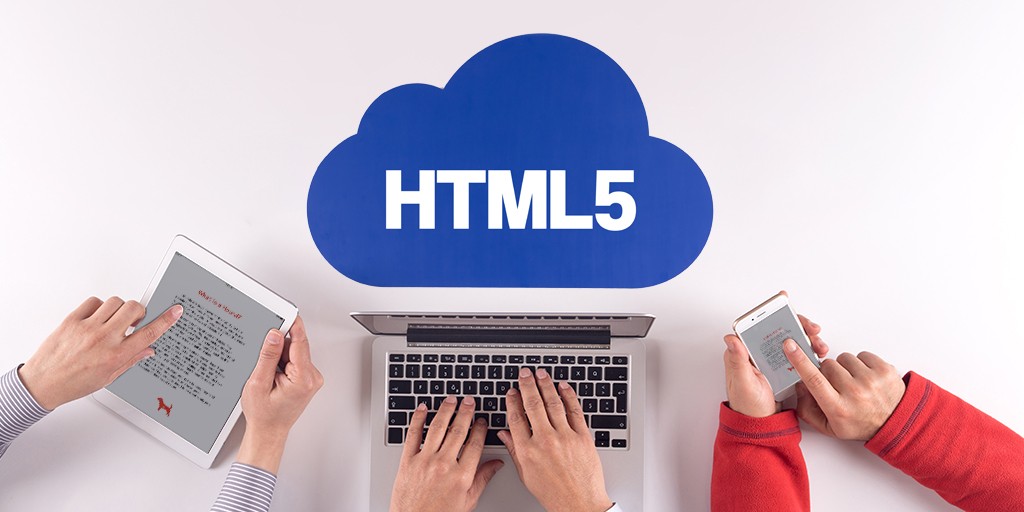
[vc_row][vc_column][vc_column_text]In 2017, Adobe had made a formal announcement stating that by 2020, the company would no longer support the flash player plug-in. Google and Microsoft too have announced their intention to disable the plug-in in their browsers by early next year, thus bringing the curtains down for Flash. In this blog we’ll discuss about how to convert your content from Flash to HTML5. What exactly is Flash? Flash is a multimedia software by Adobe, which is used to produce animations, desktop applications, and mobile games and applications. Flash files can be viewed on browsers using a Flash Player. Some third-party players are also used to view desktop and mobile apps. So what went wrong with Flash? First and foremost, Flash was created for the PC era. In fact, it was as early as 2010 when Steve Jobs had predicted that mobile devices would sound the death knell for Flash because the software fell short on six counts: The Full Web Openness Battery Life Touch Poor quality of third-party development tools Reliability, Security and Performance Given that Flash was created for the PC, the use of Flash was limiting the iOS experience. In fact, Flash player was seen to cause crashes with MACs. It is little wonder then that most developers began to shift to HTML, CSS and Javascript, which were more suited to the mobile environment. However, HTML5 has now emerged as the language of choice to create courses, animations, ads, apps and other types of content that can be viewed on all platforms including the PC, laptop, tablets and mobile devices.[/vc_column_text][vc_custom_heading text=”What is HTML5?” font_container=”tag:h3|font_size:18|text_align:left” google_fonts=”font_family:Lato%3A100%2C100italic%2C300%2C300italic%2Cregular%2Citalic%2C700%2C700italic%2C900%2C900italic|font_style:900%20bold%20regular%3A900%3Anormal” css=”.vc_custom_1580370297604{margin-top: 0px !important;margin-bottom: 0px !important;border-top-width: 0px !important;border-bottom-width: 0px !important;padding-top: 0px !important;padding-bottom: 10px !important;}”][vc_column_text]HTML stands for Hypertext Markup Language. It is a markup language used by the World Wide Web, and the “5” that follows signifies that it is the fifth generation of the HTML standard. HTML5 is coding language that allows us to create responsive content and view it online on all types of reader platforms.[/vc_column_text][vc_custom_heading text=”What to do with content that is already published in Flash?” font_container=”tag:h2|font_size:18|text_align:left” google_fonts=”font_family:Lato%3A100%2C100italic%2C300%2C300italic%2Cregular%2Citalic%2C700%2C700italic%2C900%2C900italic|font_style:900%20bold%20regular%3A900%3Anormal” css=”.vc_custom_1554902216721{margin-top: 0px !important;margin-bottom: 0px !important;border-top-width: 0px !important;border-bottom-width: 0px !important;padding-top: 0px !important;padding-bottom: 10px !important;}”][vc_column_text]It may be that you already have course content in the form of animations, ads, apps etc., in Flash. Given that Flash would become obsolete next year, there is a clear case to convert Flash-based content into HTML5 and make it usable for all platform types including mobile. When you convert Flash-based content into HTML5, you make it mobile-ready and more responsive such that it automatically adjusts on different mobile devices in terms of size and usability. What should you do if you have content like online courses, apps and other learning assets built in or published in Flash? In 2020, flash content would no longer work. So instead of waiting until 2020, it’s important to start planning now.[/vc_column_text][vc_custom_heading text=”Steps to convert your content from Flash to HTML5″ font_container=”tag:h1|font_size:18|text_align:left” google_fonts=”font_family:Lato%3A100%2C100italic%2C300%2C300italic%2Cregular%2Citalic%2C700%2C700italic%2C900%2C900italic|font_style:900%20bold%20regular%3A900%3Anormal” css=”.vc_custom_1580370332929{margin-top: 0px !important;margin-bottom: 0px !important;border-top-width: 0px !important;border-bottom-width: 0px !important;padding-top: 0px !important;padding-bottom: 10px !important;}”][vc_column_text]Evaluate all your existing content and see whether it is relevant in the current context. If not, it is a good idea to retire the course, program, asset or app; and if yes, determine whether you wish to convert the published content to HTML5; rebuild or redesign it from the start; or salvage a portion for conversion and the rest for redesigning. A lot will depend on the number of animations and flash units you have in your published content. Also keep in mind that Flash content can only be converted into HTML5 if you have access to the source files. In case, you don’t have access, you may have to replace the content altogether. Once you have created a list of courses that you have on hand, you may wish to re-evaluate them to plan the next course of action. For content that you wish to reconvert, it is a good idea to create a cross-reference list for tracking the conversion process. Identify what tool was used to create the Flash content, for example, Adobe Captivate, Articulate Storyline, Adobe Animate, etc. Next, locate all your source files, which will be used by developers to convert the courses to HTML5. Once you have them in hand, check whether your existing development tools can convert them into HTML5. Do a pilot to see if the mission is successful and run a test of the converted content on both the PC and mobile devices. In case the converted HTML5 content does not run successfully on all mediums, you may need to revamp the portion of the content or even replace the entire program. It is important to note that a smooth conversion is only possible if the existing source files can be opened and exported to a new version of a program that supports HTML5 exports. In case updates via the existing tools are not possible, you would need to create new packages and technical updates for graphical adjustments etc.[/vc_column_text][vc_custom_heading text=”Benefits of Converting Flash to HTML5″ font_container=”tag:h2|font_size:18|text_align:left” google_fonts=”font_family:Lato%3A100%2C100italic%2C300%2C300italic%2Cregular%2Citalic%2C700%2C700italic%2C900%2C900italic|font_style:900%20bold%20regular%3A900%3Anormal” css=”.vc_custom_1554902458281{margin-top: 0px !important;margin-bottom: 0px !important;border-top-width: 0px !important;border-bottom-width: 0px !important;padding-top: 0px !important;padding-bottom: 10px !important;}”][vc_custom_heading text=”Create Device-Agnostic Content:” font_container=”tag:h3|font_size:18|text_align:left” google_fonts=”font_family:Lato%3A100%2C100italic%2C300%2C300italic%2Cregular%2Citalic%2C700%2C700italic%2C900%2C900italic|font_style:900%20bold%20regular%3A900%3Anormal” css=”.vc_custom_1580370410418{margin-top: 0px !important;margin-bottom: 0px !important;border-top-width: 0px !important;border-bottom-width: 0px !important;padding-top: 0px !important;padding-bottom: 10px !important;}”][vc_column_text]In the era of the mobile, you have to ensure that your content is device-independent and more importantly, mobile ready. This will enable your learners to access your content on their computer, continue their learning journey on the mobile and maybe take assessments on a tablet. By converting your Flash content into HTML5, you can integrate and synchronize the learning process for different devices.[/vc_column_text][vc_custom_heading text=”Create Responsive Content:” font_container=”tag:h3|font_size:18|text_align:left” google_fonts=”font_family:Lato%3A100%2C100italic%2C300%2C300italic%2Cregular%2Citalic%2C700%2C700italic%2C900%2C900italic|font_style:900%20bold%20regular%3A900%3Anormal” css=”.vc_custom_1580370442299{margin-top: 0px !important;margin-bottom: 0px !important;border-top-width: 0px !important;border-bottom-width: 0px !important;padding-top: 0px !important;padding-bottom: 10px !important;}”][vc_column_text]HTML5 allows you to create responsive content that flows and adjusts to the size of the screen. The advantage is that you don’t have to scroll pages to access interactive learning content and also audio and video files do not take too much time to load. Besides, with responsive content, you can break up existing

Hurix March 13, 2019 No Comments

LMS Vendors: How to Select the Right Vendor for your Goals

[vc_row][vc_column][vc_column_text]There is enough data to support the fact that most companies are less than satisfied with their Learning Management Systems (LMS). For example, the LMS satisfactions survey conducted by Brandon Hall Group shows that 38% of companies surveyed were considering a change in their LMS since it had not helped them meet their organizational goals. Organizations generally prefer to outsource their LMS requirements to vendors or service providers, mainly because it saves them time and money and also because they do not have an in-house IT team to design, build and maintain a custom solution. This being said, how to choose the right LMS vendors for your organizational goals? To answer this question, it is important to first identify your organizational needs in terms of what you wish to do with an LMS and then scout for LMS vendors. To understand how you can benefit from an LMS, know what are the benefits that it provides.[/vc_column_text][vc_custom_heading text=”These benefits will also help you shortlist the right vendor from your LMS vendors list:” font_container=”tag:h1|font_size:20|text_align:left” google_fonts=”font_family:Lato%3A100%2C100italic%2C300%2C300italic%2Cregular%2Citalic%2C700%2C700italic%2C900%2C900italic|font_style:900%20bold%20regular%3A900%3Anormal” css=”.vc_custom_1552481931376{margin-top: 0px !important;margin-bottom: 0px !important;border-top-width: 0px !important;border-bottom-width: 0px !important;padding-top: 0px !important;padding-bottom: 5px !important;}”][vc_custom_heading text=”Some of the benefits of a LMS (Learning Management System) are:” font_container=”tag:h2|font_size:18|text_align:left” google_fonts=”font_family:Lato%3A100%2C100italic%2C300%2C300italic%2Cregular%2Citalic%2C700%2C700italic%2C900%2C900italic|font_style:900%20bold%20regular%3A900%3Anormal” css=”.vc_custom_1579767400909{margin-top: 0px !important;margin-bottom: 0px !important;border-top-width: 0px !important;border-bottom-width: 0px !important;padding-top: 0px !important;padding-bottom: 5px !important;}”][vc_custom_heading text=”1. Centralized Repository for Your Content:” font_container=”tag:h3|font_size:18|text_align:left” google_fonts=”font_family:Lato%3A100%2C100italic%2C300%2C300italic%2Cregular%2Citalic%2C700%2C700italic%2C900%2C900italic|font_style:900%20bold%20regular%3A900%3Anormal” css=”.vc_custom_1552481675380{margin-top: 0px !important;margin-bottom: 0px !important;border-top-width: 0px !important;border-bottom-width: 0px !important;padding-top: 0px !important;padding-bottom: 5px !important;}”][vc_column_text]With a cloud-based LMS, you can store all your content in one place. This will reduce or eliminate risk of losing your data; simplify organizing and at the same time provide ease of access to authorized employees and other personnel across all geographies.[/vc_column_text][vc_custom_heading text=”2. Ease of Access Across All Devises:” font_container=”tag:h3|font_size:18|text_align:left” google_fonts=”font_family:Lato%3A100%2C100italic%2C300%2C300italic%2Cregular%2Citalic%2C700%2C700italic%2C900%2C900italic|font_style:900%20bold%20regular%3A900%3Anormal” css=”.vc_custom_1552481685217{margin-top: 0px !important;margin-bottom: 0px !important;border-top-width: 0px !important;border-bottom-width: 0px !important;padding-top: 0px !important;padding-bottom: 10px !important;}”][vc_column_text]In the era of smartphones, all data and content should be available and easily readable on all devices including laptops, desktops and mobile devices. In fact, this feature is seen to be amongst the most important reasons why organizations opt for an LMS, especially as learners now access content while on the move.[/vc_column_text][vc_custom_heading text=”3. Easy to Track Progress of Learners:” font_container=”tag:h3|font_size:18|text_align:left” google_fonts=”font_family:Lato%3A100%2C100italic%2C300%2C300italic%2Cregular%2Citalic%2C700%2C700italic%2C900%2C900italic|font_style:900%20bold%20regular%3A900%3Anormal” css=”.vc_custom_1552481723750{margin-top: 0px !important;margin-bottom: 0px !important;border-top-width: 0px !important;border-bottom-width: 0px !important;padding-top: 0px !important;padding-bottom: 5px !important;}”][vc_column_text]An LMS includes tools that allow you to track the progress of users undertaking learning and training, measure their interaction with the content, administer tests and see if the content provided meets their needs or there is need to add more videos, text, audio etc., to improve learning outcomes.[/vc_column_text][vc_custom_heading text=”4. Reduce Costs of Education and Training:” font_container=”tag:h3|font_size:18|text_align:left” google_fonts=”font_family:Lato%3A100%2C100italic%2C300%2C300italic%2Cregular%2Citalic%2C700%2C700italic%2C900%2C900italic|font_style:900%20bold%20regular%3A900%3Anormal” css=”.vc_custom_1552481735440{margin-top: 0px !important;margin-bottom: 0px !important;border-top-width: 0px !important;border-bottom-width: 0px !important;padding-top: 0px !important;padding-bottom: 5px !important;}”][vc_column_text]Costs are always an important factor in all business decisions. An LMS reduces costs in terms of mobility required to attend lectures and trainings held in physical classrooms. Besides, it can also bring down all costs related to the use of paper in learning and training since all resources can be digitalized. That said, the role of a teacher/instructor cannot be completely by-passed and so the LMS has all the necessary tools and features to promote blended learning, that is, a mix of physical and virtual classrooms.[/vc_column_text][vc_custom_heading text=”5. Add Flexibility to Learning:” font_container=”tag:h3|font_size:18|text_align:left” google_fonts=”font_family:Lato%3A100%2C100italic%2C300%2C300italic%2Cregular%2Citalic%2C700%2C700italic%2C900%2C900italic|font_style:900%20bold%20regular%3A900%3Anormal” css=”.vc_custom_1552481765132{margin-top: 0px !important;margin-bottom: 0px !important;border-top-width: 0px !important;border-bottom-width: 0px !important;padding-top: 0px !important;padding-bottom: 5px !important;}”][vc_column_text]It could be that some employees are already familiar with some concepts, which means that they can save time by not undertaking courses they know. An LMS allows them to access lessons/courses that they wish to learn. A system of tests and assessments can allow the end-learners to take an assessment to confirm that they can be exempted from some units, sections or parts of a module.[/vc_column_text][vc_custom_heading text=”6. Easy to Update:” font_container=”tag:h3|font_size:18|text_align:left” google_fonts=”font_family:Lato%3A100%2C100italic%2C300%2C300italic%2Cregular%2Citalic%2C700%2C700italic%2C900%2C900italic|font_style:900%20bold%20regular%3A900%3Anormal” css=”.vc_custom_1552481800041{margin-top: 0px !important;margin-bottom: 0px !important;border-top-width: 0px !important;border-bottom-width: 0px !important;padding-top: 0px !important;padding-bottom: 5px !important;}”][vc_column_text]In the age of technological advances, course content is ever-evolving. An LMS allows you to easily add, delete or update online content, which is not easy or cheap when you talk in terms of paper courses and programs.[/vc_column_text][vc_custom_heading text=”7. Ease of Integrating Social Media:” font_container=”tag:h3|font_size:18|text_align:left” google_fonts=”font_family:Lato%3A100%2C100italic%2C300%2C300italic%2Cregular%2Citalic%2C700%2C700italic%2C900%2C900italic|font_style:900%20bold%20regular%3A900%3Anormal” css=”.vc_custom_1552481792205{margin-top: 0px !important;margin-bottom: 0px !important;border-top-width: 0px !important;border-bottom-width: 0px !important;padding-top: 0px !important;padding-bottom: 5px !important;}”][vc_column_text]An LMS allows you to integrate social media learning experience in your eLearning journey. You can include links to Facebook, Twitter, LinkedIn, other online forums and educational websites to attract new learners.[/vc_column_text][vc_custom_heading text=”8. Selecting the Right LMS:” font_container=”tag:h3|font_size:18|text_align:left” google_fonts=”font_family:Lato%3A100%2C100italic%2C300%2C300italic%2Cregular%2Citalic%2C700%2C700italic%2C900%2C900italic|font_style:900%20bold%20regular%3A900%3Anormal” css=”.vc_custom_1552481815500{margin-top: 0px !important;margin-bottom: 0px !important;border-top-width: 0px !important;border-bottom-width: 0px !important;padding-top: 0px !important;padding-bottom: 5px !important;}”][vc_column_text]Once you are aware of the various benefits an LMS can provide, you should also know the different types of LMS available to make an informed decision about choosing the right LMS vendors. While there are many types of LMS available, the most popular is the Moodle-based LMS, an open source, free to download, flexible, user-friendly eLearning platform, supported by a global community and with over 68 million users worldwide from all types of organizations. It supports all latest eLearning standards such as SCORM and Tin Can/xAPI, and has a user-friendly interface and responsive design, which means that the content can adjust to different screen sizes, be it a mobile device or tablet. Also, with more and more people using their smartphones to access content while on the move, an LMS supports mobile learning, since the content is designed to be interactive and deliverable in short segments. Besides, Moodle-based LMS has all the necessary features that enable communication through discussion boards and social media. By providing online features, this LMS is able to support offline learning and includes features for tracking, recording and assessing offline events along with online ones. In a nutshell, a Moodle-based LMS is able to meet all the benefits associated with an LMS.[/vc_column_text][vc_custom_heading text=”9. Match Business Goals with An LMS:” font_container=”tag:h3|font_size:18|text_align:left” google_fonts=”font_family:Lato%3A100%2C100italic%2C300%2C300italic%2Cregular%2Citalic%2C700%2C700italic%2C900%2C900italic|font_style:900%20bold%20regular%3A900%3Anormal” css=”.vc_custom_1552481829832{margin-top: 0px !important;margin-bottom: 0px !important;border-top-width: 0px !important;border-bottom-width: 0px !important;padding-top: 0px !important;padding-bottom: 5px !important;}”][vc_column_text]It is important to keep in mind that there is no one size LMS that fits all requirements. This is because different organizations have different priorities. While these vary from one organization to another, while

Hurix February 13, 2019 No Comments

LMS for Business – Does One Size Fit All?

[vc_row][vc_column][vc_column_text]Keeping in line with the advancements in technology, more and more organizations across the globe are adopting Learning Management Systems (LMS) to supplement their learning and training requirements. In fact, eLearning is today one of the fastest growing markets in the world. According to a study by IBM, LMS for businesses can cut costs by at least 50% when they replace traditional, instructor-led learning with eLearning, and at the same time, reduce instruction time by as much as 60%. Compared to traditional classrooms, an LMS offers several advantages as learning is not restricted to a physical space. The content may or may not be followed by all learners in the group at the same pace, given their different learning abilities and capacities to retain and recall. An LMS, on the other hand, breaks down larger learning goals into modules, and more recently, into microlearning nuggets, enabling the learners to learn at their own pace. It allows them to revisit concepts till they gain mastery, and also practice the concepts in a virtual environment before putting them to use in real-world situations. Little wonder then, more and more organizations, including startups, enterprises, publishers, corporates and educational institutions, are looking for suitable LMS solutions to support the education and training needs of their employees or their customers. In the face of shrinking resources, rising expenses and scarce funding, it becomes imperative that you make a very prudent decision when investing in an LMS. It is important to keep in mind that one size does not fit all, and to decide on the best LMS for your organization, it is important that you define your goals, your budget, your return on investment (ROI), your IT resources and your end-users. In this blog, we share some basic tips to help you choose an LMS that is right for your organization.[/vc_column_text][vc_custom_heading text=”Conduct a Need Analysis:” font_container=”tag:h1|font_size:20|text_align:left” google_fonts=”font_family:Lato%3A100%2C100italic%2C300%2C300italic%2Cregular%2Citalic%2C700%2C700italic%2C900%2C900italic|font_style:900%20bold%20regular%3A900%3Anormal” css=”.vc_custom_1563272803945{margin-top: 0px !important;margin-bottom: 0px !important;border-top-width: 0px !important;border-bottom-width: 0px !important;padding-top: 0px !important;padding-bottom: 5px !important;}”][vc_column_text] Define your Objectives: Determine who in your organization you wish to educate or train and also if you require branding and white-labelling to be part of the LMS package. Set the Budget: While some LMS solutions do not have a licensing fee, their implementation involves a range of costs including installation, configuration, training, support, and maintenance. Your budget will help you narrow down on the specific LMS platforms available in your range. Calculate the Return on Investment (RoI): By projecting your potential sales, you can calculate the likely Return on Investment. You may also decide to increase your investment over time. Required LMS Features: Determine whether you require an online platform to deliver online courseware or an integrated platform using which you can combine training with tutor-led elements; and features such as video streaming, integrated conferencing and communication tools. Calculate the Total Cost of Ownership: Apart from licensing fee and implementation costs you also need to consider how the LMS would integrate with your existing IT infrastructure, including your education management system, human resource management system etc. Risk of a Proprietary LMS solution: If you choose a proprietary LMS, you will have restricted access to the source code or none at all, which will be dependent on the vendor. Also, it may become difficult to change vendors at a later stage due to the high switching costs. Integration of LMS with current IT infrastructure: Support from IT is critical to a successful LMS implementation. The IT infrastructure assessment will provide information about the current configuration of your organization’s IT programs that exist on the desktop across the enterprise and how they will integrate with the new LMS. Ensure your End-users Are Ready for Change: It goes without saying that there is always some resistance to change, and this holds good for introducing new technology. There would always be some learners who are not very comfortable with new technology. Then, there is also a need for a change in mindset, from transitioning from traditional classrooms to cloud-based learning, from instructor-led learning to self-paced learning. Therefore, there is a need to assess cultural readiness to adopt LMS. A cultural readiness will help you understand whether you need intense internal marketing of the LMS for the implementation to be a success. [/vc_column_text][vc_custom_heading text=”Match your Business Goals with LMS:” font_container=”tag:h2|font_size:20|text_align:left” google_fonts=”font_family:Lato%3A100%2C100italic%2C300%2C300italic%2Cregular%2Citalic%2C700%2C700italic%2C900%2C900italic|font_style:900%20bold%20regular%3A900%3Anormal” css=”.vc_custom_1563272809464{margin-top: 0px !important;margin-bottom: 0px !important;border-top-width: 0px !important;border-bottom-width: 0px !important;padding-top: 0px !important;padding-bottom: 5px !important;}”][vc_column_text]Every organization has its own set of priorities, which means there can be no one size fits all LMS solution. While your LMS requirements are unique to your business, similar organizations do share some priorities:[/vc_column_text][vc_custom_heading text=”LMS for Startups or SME:” font_container=”tag:h2|font_size:16|text_align:left” google_fonts=”font_family:Lato%3A100%2C100italic%2C300%2C300italic%2Cregular%2Citalic%2C700%2C700italic%2C900%2C900italic|font_style:900%20bold%20regular%3A900%3Anormal” css=”.vc_custom_1550065992757{margin-top: 0px !important;margin-bottom: 0px !important;border-top-width: 0px !important;border-bottom-width: 0px !important;padding-top: 0px !important;padding-bottom: 5px !important;}”][vc_column_text]Startups can be publishers who wish to sell custom content or companies that wish to build and resell an LMS. These companies often need branding or white-labeling an LMS and so require extensive and innovative features such as gamification and augmented reality. These companies may also need to train employees or customers as efficiently and as cost-effectively as possible and so they can benefit from a Cloud-based LMS that does not require an initial installation and deployment investment.[/vc_column_text][vc_custom_heading text=”LMS for Enterprises or Corporations: ” font_container=”tag:h2|font_size:16|text_align:left” google_fonts=”font_family:Lato%3A100%2C100italic%2C300%2C300italic%2Cregular%2Citalic%2C700%2C700italic%2C900%2C900italic|font_style:900%20bold%20regular%3A900%3Anormal” css=”.vc_custom_1550065998202{margin-top: 0px !important;margin-bottom: 0px !important;border-top-width: 0px !important;border-bottom-width: 0px !important;padding-top: 0px !important;padding-bottom: 5px !important;}”][vc_column_text]Enterprises generally aim to improve staff skills, increase productivity, and reduce training costs. A majority of corporations and non-academic markets use LMS for internal training and skill certification while a small percentage of companies use their LMS for compliance and onboarding, training or selling courses to others. Enterprises generally prefer an LMS solution that allows users to personalize the content to learn at their own pace and define their own learning paths. They require features such as video content to help present information in an easily digestible way.[/vc_column_text][vc_custom_heading text=”LMS for Educational Institutions: ” font_container=”tag:h2|font_size:16|text_align:left” google_fonts=”font_family:Lato%3A100%2C100italic%2C300%2C300italic%2Cregular%2Citalic%2C700%2C700italic%2C900%2C900italic|font_style:900%20bold%20regular%3A900%3Anormal” css=”.vc_custom_1550066004306{margin-top: 0px !important;margin-bottom: 0px !important;border-top-width: 0px !important;border-bottom-width: 0px !important;padding-top: 0px !important;padding-bottom: 5px !important;}”][vc_column_text]Since educational institutions require a learner-centered collaborative learning environment, they look for an LMS that can strategically meet their institutional standards for highly

Hurix February 6, 2019 No Comments

Advantages of a Mobile-First LMS

[vc_row][vc_column][vc_column_text] Every enterprise requires a well-organized training plan, consisting of various strategies to create training modules, manage the training delivery and analyze the effectiveness of the training. Managing multiple activities such as these on different platforms can be a daunting task. And hence, there was a need for a tool which can streamline the training management process. This is when learning management systems (LMS) were introduced into the corporate sector. An LMS tool helps you achieve your training goals efficiently. However as the LMS evolved into Mobile-First LMS, desktop based learning will soon become a thing of the past as users get mobile-savvy. And to deliver online training to your ever-busy workforce, you require a mobile-first LMS.[/vc_column_text][vc_custom_heading text=”What is a Mobile-first LMS?” font_container=”tag:h2|font_size:18|text_align:left” google_fonts=”font_family:Lato%3A100%2C100italic%2C300%2C300italic%2Cregular%2Citalic%2C700%2C700italic%2C900%2C900italic|font_style:900%20bold%20regular%3A900%3Anormal” css=”.vc_custom_1579683127004{margin-top: 0px !important;margin-bottom: 0px !important;border-top-width: 0px !important;border-bottom-width: 0px !important;padding-top: 0px !important;padding-bottom: 5px !important;}”][vc_column_text]LMS or learning management system is used for tracking, management, and delivery of training content. It is mainly used in the corporate sector for enterprise training purposes. Using an LMS makes managing and delivery of online courses way simpler. It helps managers, HR teams and employees to keep a track of training progress and completion. A mobile-first LMS makes content easily accessible on mobile devices for users. It is a convenient means of delivering web-based training to your employees.[/vc_column_text][vc_custom_heading text=”Let us have a look at the advantages of using a mobile-first LMS for enterprise training:” font_container=”tag:h1|font_size:20|text_align:left” google_fonts=”font_family:Lato%3A100%2C100italic%2C300%2C300italic%2Cregular%2Citalic%2C700%2C700italic%2C900%2C900italic|font_style:900%20bold%20regular%3A900%3Anormal” css=”.vc_custom_1549456342911{margin-top: 0px !important;margin-bottom: 0px !important;border-top-width: 0px !important;border-bottom-width: 0px !important;padding-top: 0px !important;padding-bottom: 5px !important;}”][vc_custom_heading text=”1. A Mobile-First LMS Enables Employees to Access Courses Anytime:” font_container=”tag:h2|font_size:18|text_align:left” google_fonts=”font_family:Lato%3A100%2C100italic%2C300%2C300italic%2Cregular%2Citalic%2C700%2C700italic%2C900%2C900italic|font_style:900%20bold%20regular%3A900%3Anormal”][vc_column_text]Mobile-first LMS allows your employees to access the course material anytime and anywhere on their mobile devices. Earlier, organizations would have a training deck on desktop computers, where employees were expected to go through them while they are in the office. Today, as businesses become more competitive, employers want their staff to be productive at all times. Hence, they prefer providing online courses which can be accessed even outside the office environment. Since today’s workforce is native to digital technology and is always equipped with a mobile handset, it becomes easier for them to access the training content whenever they want. Therefore, by using a mobile-first LMS, you can ensure that your employees have access to the course content all the time.[/vc_column_text][vc_custom_heading text=”2. It Provides Updated Content at All Times” font_container=”tag:h2|font_size:18|text_align:left” google_fonts=”font_family:Lato%3A100%2C100italic%2C300%2C300italic%2Cregular%2Citalic%2C700%2C700italic%2C900%2C900italic|font_style:900%20bold%20regular%3A900%3Anormal”][vc_column_text]When a technology changes, it creates a butterfly effect. Many industries and organizations have to adapt to the new changes to keep themselves up-to-date. LMS tools usually store the training content on the cloud, which means it can be updated anytime by an authorized person. This ensures that your employees always have the updated training content with latest information about tools and software. Employers no longer have to fret about keeping everyone on the same page. Cloud-based technology helps L&D teams to keep their training modules updated at all times.[/vc_column_text][vc_custom_heading text=”3. Quick Navigation with Easy-to-Use Interface:” font_container=”tag:h2|font_size:18|text_align:left” google_fonts=”font_family:Lato%3A100%2C100italic%2C300%2C300italic%2Cregular%2Citalic%2C700%2C700italic%2C900%2C900italic|font_style:900%20bold%20regular%3A900%3Anormal”][vc_column_text]LMS tools are created for employees to effectively access their training modules. Hence, they are mostly created in a simple format, so that employees can navigate through the pages easily. LMS apps are usually responsive, as it needs to adapt to different screen sizes seamlessly. Using a simple font style makes it easier to read the content even while traveling. A web page that is cluttered with content and widgets is off-putting. Too much information could lead to confusion, resulting in employees not wanting to use the application. Hence, mobile-first LMS apps are created keeping in mind the screen dimensions and readability factor.[/vc_column_text][vc_custom_heading text=”4. Better Knowledge Retention:” font_container=”tag:h2|font_size:18|text_align:left” google_fonts=”font_family:Lato%3A100%2C100italic%2C300%2C300italic%2Cregular%2Citalic%2C700%2C700italic%2C900%2C900italic|font_style:900%20bold%20regular%3A900%3Anormal”][vc_column_text]Mobile LMS is not just an online version of a training booklet. It is made in an interactive and engaging fashion so that readers can remember and recall the information when needed. With multimedia elements like audio, video, and images, the course modules are designed to increase employee engagement. With multiple interactive elements present in the course module, the users tend to pay more attention to the content. Moreover, online course modules are usually made in the form of short nuggets, highlighting the important points. This is done in order to enable readers to quickly go through the content and retain the information.[/vc_column_text][vc_custom_heading text=”5. Mobile-First LMS Ensure High Course Completion Rates:” font_container=”tag:h2|font_size:18|text_align:left” google_fonts=”font_family:Lato%3A100%2C100italic%2C300%2C300italic%2Cregular%2Citalic%2C700%2C700italic%2C900%2C900italic|font_style:900%20bold%20regular%3A900%3Anormal”][vc_column_text]It has been observed that the course completion rates are higher when taken on a mobile app. This is because the course modules are short and concise, making it easier for employees to complete. The courses are usually followed by short quizzes to gauge the understanding of the learner. This enables employees to go through the courses and immediately give the tests, resulting in high completion rates.[/vc_column_text][vc_custom_heading text=”6. Self-Analysis Encourages Employees to Perform Better:” font_container=”tag:h2|font_size:18|text_align:left” google_fonts=”font_family:Lato%3A100%2C100italic%2C300%2C300italic%2Cregular%2Citalic%2C700%2C700italic%2C900%2C900italic|font_style:900%20bold%20regular%3A900%3Anormal”][vc_column_text]A mobile LMS allows the employees to analyze their own performance. There are progress bars which indicate how much they have completed. Employees can see immediate results of their test, helping them understand where they went wrong. The results can be made visible to their managers, allowing them to provide individual feedback. Employees can take up courses themselves for skill development or can be assigned courses by their managers. They can view their metrics and goals on the LMS. This helps them to work towards achieving their goals and deliver quality output. Now that we’ve seen the advantages of using an LMS, let us now look at how enterprises can customize an LMS according to their needs. Every organization differs in size and structure. They all have different training needs and follow different training methods. An LMS can be designed and customized based on the number of employees and the type of training that needs to be provided.[/vc_column_text][vc_custom_heading text=”Here’s a look at some of the reasons why you should customize your LMS:” font_container=”tag:h3|font_size:20|text_align:left” google_fonts=”font_family:Lato%3A100%2C100italic%2C300%2C300italic%2Cregular%2Citalic%2C700%2C700italic%2C900%2C900italic|font_style:900%20bold%20regular%3A900%3Anormal” css=”.vc_custom_1579683167110{margin-top: 0px !important;margin-bottom: 0px !important;border-top-width: 0px !important;border-bottom-width: 0px !important;padding-top: 0px !important;padding-bottom: 5px !important;}”][vc_custom_heading text=”1. Custom Branding with Logo: ” font_container=”tag:h4|font_size:18|text_align:left” google_fonts=”font_family:Lato%3A100%2C100italic%2C300%2C300italic%2Cregular%2Citalic%2C700%2C700italic%2C900%2C900italic|font_style:900%20bold%20regular%3A900%3Anormal”][vc_column_text]When you decide to purchase an LMS software for your organization, ensure that it is a white label solution. Because a white label software will

Hurix March 27, 2018 No Comments

Design is SUPERB!

Six basic concepts to make your design “SUPERB”

  • Simplicity: Use a single element that conveys the key message clearly rather than 10 different elements that convey it in fragments.

  • Unity: Use elements that support each other and work together towards a common goal.

  • Proportion: When designing objects, keep basic proportions of elements in mind…

Read more

Hurix February 23, 2018 No Comments

Mobile-first? That is old news!

Brace Yourselves for Video-First Content Marketing!

Brace Yourselves for Video-First Content Marketing! Gone are the days of long posts and blogs on your official websites or social media platforms like Twitter, LinkedIn or Facebook. With the average attention span getting shorter and shorter and enticing hyperlinks popping up in the middle of what you are reading, it’s just not possible for…

Read more

Hurix September 11, 2017 No Comments

Challenges and Best Practice in LMS for Virtual Classroom Training

[vc_row][vc_column][vc_column_text]Keeping in step with the advancements in technology, more and more organizations across the globe are adopting learning management systems (LMS) to supplement their learning and training requirements. Compared to traditional classrooms, an LMS offers several advantages as learning is not restricted to a classroom lecture, which may or may not be followed by all learners in the group at the same pace, given their different learning abilities and capacities to retain and recall. An LMS, on the other hand, breaks down larger learning goals in modules, and more recently, in microlearning nuggets, enabling the learners to learn at their own pace, allowing them to revisit concepts till they gain mastery, and also practice the concepts in a virtual environment before putting them to use in the real-world situations. However, with this said, is it all rosy with the LMS or are there some challenges associated with the use of LMS in the virtual classroom?[/vc_column_text][vc_custom_heading text=”In this article, we discuss both the challenges and best practices in LMS in virtual classroom training.” font_container=”tag:h1|font_size:18|text_align:left” google_fonts=”font_family:Lato%3A100%2C100italic%2C300%2C300italic%2Cregular%2Citalic%2C700%2C700italic%2C900%2C900italic|font_style:900%20bold%20regular%3A900%3Anormal” css=”.vc_custom_1563270669658{margin-top: 0px !important;margin-bottom: 0px !important;border-top-width: 0px !important;border-bottom-width: 0px !important;padding-top: 0px !important;padding-bottom: 10px !important;}”][vc_custom_heading text=”Traditional to Virtual Shift Challenges:” font_container=”tag:h2|font_size:18|text_align:left” google_fonts=”font_family:Lato%3A100%2C100italic%2C300%2C300italic%2Cregular%2Citalic%2C700%2C700italic%2C900%2C900italic|font_style:900%20bold%20regular%3A900%3Anormal” css=”.vc_custom_1563270706313{margin-top: 0px !important;margin-bottom: 0px !important;border-top-width: 0px !important;border-bottom-width: 0px !important;padding-top: 0px !important;padding-bottom: 10px !important;}”][vc_column_text]The process of evolution takes place one step at a time and keeping that in mind, there cannot be a pendulum shift from traditional to virtual without going through the painstaking process of overcoming obstacles along the way. The challenge of adaptability: One such obstacle is the fact that people are used to human interaction during the teaching-learning interaction, and while instructors can be present to guide learning with the LMS, the focus is more on technology and the learner. Students who are used to face-to-face instructors may take time to adapt to computer-based learning in virtual classroom settings. Low comfort level with technology: Then again, while the millennial generation is more tech-savvy, this cannot hold good across the board. There are many learners who are not very comfortable with technology, and even though the LMS may be user-friendly and simple to use, it could be a problem to adapt to it by people who are not familiar with applications such as Word, Excel, PowerPoint etc. Slow Internet connection: A major advantage of LMS is that it enables learning while on the move or in the comfort of a learner’s own space. However, even with the increasing penetration of the Internet, there are many people who do not have access to the Internet and even if they have, they may not get the speed they would perhaps get while in their office or institute. This would make access to the LMS difficult and also make it difficult to download or upload files. Low level of motivation: Finally, there is the question of motivation in self-learning. In a traditional classroom, peer interaction ensures the element of competition and to pressure to keep going and perform well; however, in case of self-learning in virtual classrooms through an LMS, people tend to get demotivated, resulting in lower levels of performance or in some cases, opting out of courses altogether.[/vc_column_text][vc_custom_heading text=”Best Practices In LMS Implementation:” font_container=”tag:h2|font_size:18|text_align:left” google_fonts=”font_family:Lato%3A100%2C100italic%2C300%2C300italic%2Cregular%2Citalic%2C700%2C700italic%2C900%2C900italic|font_style:900%20bold%20regular%3A900%3Anormal” css=”.vc_custom_1563270803776{margin-top: 0px !important;margin-bottom: 0px !important;border-top-width: 0px !important;border-bottom-width: 0px !important;padding-top: 0px !important;padding-bottom: 10px !important;}”][vc_column_text]Keeping abreast with the constantly changing technological landscape, the LMS too is evolving to address challenges faced by learners and make the learning experience all the more fulfilling and rewarding. Blended learning: To offset the problem of face-to-face interaction, organizations are now following the concept of blended learning, that is, bringing together the best of traditional and online learning practices. An instructor is present in the virtual classroom settings in the office or institutions to guide the students, initiate discussions, and provide a more interactive experience. Offline learning: To address the problems of Internet speed, LMS now provide best practices for both online and offline learning, enabling students to download course material files or make them available when they don’t have access to the Internet. Video/Games/Immersive Learning: In a fast-paced world, where the attention span is waning given the number of distractions, it is easy for a virtual learner to be distracted. LMS developers are increasingly focusing on making the learner experience more engaging by incorporating multi-media formats including audio/video, game-based learning, discussion forums, and more, which can be accessed across various platforms including smartphones and tablets. Microlearning: Besides, the focus is now more on microlearning which means creating mini bites of content that though small in size, is concise, complete and is easy to digest and assimilate. End-learners can become demotivated in virtual classroom settings; however, learning, grasping and being able to put a concept learnt to practice is itself a powerful motivator to explore further. More and more corporate organizations are breaking away from classrooms to anytime anywhere learning for their employees and meet their training needs. We, at Hurix Digital, offer LMS solutions that are affordable and agile, resulting in less expenditure and quick turnaround time for organizations. Formal or informal training, we customize our LMS solution for YOUR Industry, YOUR employees skills, YOUR company size & scale and YOUR language. Talk to us to know more.[/vc_column_text][/vc_column][/vc_row]

Hurix September 8, 2017 No Comments

8 Popular Features of Moodle LMS for Corporate Training You Should Know

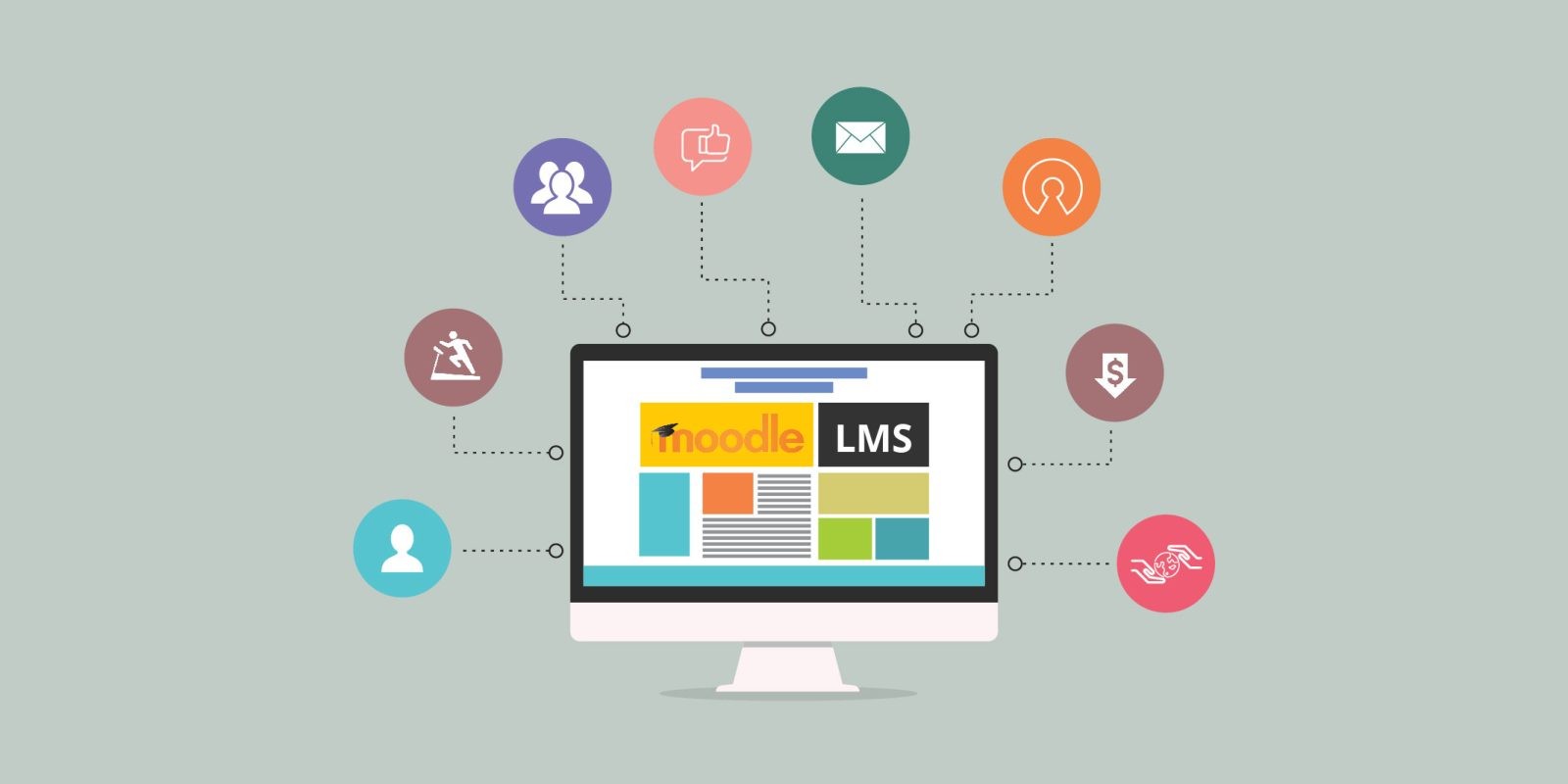
[vc_row][vc_column][vc_column_text]In your scoping and research for an LMS for corporate training, Moodle LMS but have surely appeared on your list of options. Should you choose Moodle as your learning platform or not? If this question has been on your mind, our blog gives you more than one reason to say Yes. Developed in 2002 by Martin Dougiamas, Moodle (Modular Object-Oriented Dynamic Learning Environment) LMS is today the world’s most popular and most used learning management system, primarily because it is flexible, open source, and free to download. This means that you can run, share, study and modify the software to your unique needs. This user-friendly elearning platform serves the online learning and training needs of all types of learners from academic institutions to corporate training. Organizations are using Moodle LMS for corporate training for various types of functions such as: Online learning and training On-boarding training Skill-based training Workplace safety Compliance training Recruitment process Online course development Sales training Product launches [/vc_column_text][vc_custom_heading text=”So what makes the Moodle LMS so attractive? Here are just some of the advantages it offers:” font_container=”tag:h1|font_size:18|text_align:left” google_fonts=”font_family:Lato%3A100%2C100italic%2C300%2C300italic%2Cregular%2Citalic%2C700%2C700italic%2C900%2C900italic|font_style:900%20bold%20regular%3A900%3Anormal” css=”.vc_custom_1563269515255{margin-top: 0px !important;margin-bottom: 0px !important;border-top-width: 0px !important;border-bottom-width: 0px !important;padding-top: 0px !important;padding-bottom: 10px !important;}”][vc_column_text]Learning in personalized environment: It makes online learning possible in a personalized environment, complete with interaction and collaboration with or without the support of an instructor. Further, video conversations can also be facilitated between learners and an external trainer through apps such as WebEx and Skype. Learning at own pace: Learners can rewind to a particular topic in case they have not understood a particular concept and then move on to further modules. Added to that, users can also learn when they want, from the comfort of their own homes or while on the move. Team learning: Organizations can enroll some students/learners to a single course, making team learning possible. Besides, they can also add or remove learners. Creating online-learning communities: As a platform, the LMS for corporate training allows educators to create cost-effective and collaborative online communities and scale up to accommodate a larger user base. With more than 500 plug-ins, Moodle makes learning collaborating, engaging and fun. Effective monitoring and follow-up: Moodle LMS incorporates features that allow training managers and administrators to track each learner effectively and also provide feedback for improved learning outcomes. Besides, they can also generate course completion reports. Open source: It fits as an ideal choice of LMS for corporate training as Moodle LMS is open source which means that it can be freely downloaded and distributed. Low cost: A majority of users of the software have testified high satisfaction rates because of the low costs involved in its implementation and the ease of use it provides. Global support: The LMS is supported by a global community of educators and professionals are who are extremely passionate about improving the online learning experience it provides. This means that the code is scrutinized and is constantly being updated by actual Moodle users who understand what learners need for better user experience. Within the Moodle communities, you can find answer to all your questions. Convinced about the benefits of Moodle LMS for your academic or corporate learning and training needs? You will find in Hurix LMS software a perfect solution for success. The LMS is fully customizable white-label LMS with perpetual IPR, which means that you can use it to match your unique training workflow. There is no need to install, maintain or upgrade your existing processes or technology – simply subscribe to the license-based, cloud-based SaaS model and get your training calendar rolling. Hurix also provides comprehensive maintenance and support services to give you a hassle-free experience.[/vc_column_text][/vc_column][/vc_row]