Hurix February 23, 2023 No Comments

7 Reasons Why You Should Revamp Your Old eLearning Courses

[vc_row][vc_column][vc_column_text]With evolving technology and knowledge, it becomes imperative for organizations to revamp their eLearning courses to make them relevant to their employees and the current digital environment. Why You Should Revamp Your Old eLearning Courses Revamping or updating eLearning course content is relatively simple in case you are using a Learning Management System (LMS) to design and update your content. Here are 7 essential reasons for you to revamp old elearning courses:[/vc_column_text][vc_custom_heading text=”1. Make the Content More Relevant to the Times” font_container=”tag:h2|font_size:18|text_align:left” google_fonts=”font_family:Lato%3A100%2C100italic%2C300%2C300italic%2Cregular%2Citalic%2C700%2C700italic%2C900%2C900italic|font_style:900%20bold%20regular%3A900%3Anormal” css=”.vc_custom_1558527278793{margin-top: 0px !important;margin-bottom: 0px !important;border-top-width: 0px !important;border-bottom-width: 0px !important;padding-top: 0px !important;padding-bottom: 10px !important;}”][vc_column_text]We are living in an era where technology is constantly evolving, necessitating the need to update eLearning courses in tune with new formats. For example, it was just a few years ago that publishers would transform their prints books into PDF files. But the coming of age of media formats such as graphics, animations, virtual reality/augmented reality, audio and video files has taken designing of eLearning courses to a whole new level. With the aim to make them more engaging, relevant, and immersive.[/vc_column_text][vc_custom_heading text=”2. Make Learning a Real-time Experience” font_container=”tag:h2|font_size:18|text_align:left” google_fonts=”font_family:Lato%3A100%2C100italic%2C300%2C300italic%2Cregular%2Citalic%2C700%2C700italic%2C900%2C900italic|font_style:900%20bold%20regular%3A900%3Anormal” css=”.vc_custom_1558527331141{margin-top: 0px !important;margin-bottom: 0px !important;border-top-width: 0px !important;border-bottom-width: 0px !important;padding-top: 0px !important;padding-bottom: 10px !important;}”][vc_column_text]Taking the above point forward, the addition of rich media to existing eLearning courses not only makes learning a multi-sensory experience but also more contextual to real-life situations. This provides learners the opportunity to learn and practice concepts in an enhanced or simulated environment. To illustrate this with an example, you may have an eLearning course on the human anatomy. You can add life-like 3D learning models of the heart to your lesson on blood circulation to enable learners to experience how the heart really functions. Adding features such as these to your existing eLearning courses will make them more exciting and real-time for the learners. And the bonus is that since you already have existing eLearning content, you don’t have to start from the scratch – you can revamp the courses to add a simulated environment, providing the end-learners with a first-hand learning experience.[/vc_column_text][vc_custom_heading text=”3. Make Learning Possible Anywhere and Anytime” font_container=”tag:h2|font_size:18|text_align:left” google_fonts=”font_family:Lato%3A100%2C100italic%2C300%2C300italic%2Cregular%2Citalic%2C700%2C700italic%2C900%2C900italic|font_style:900%20bold%20regular%3A900%3Anormal” css=”.vc_custom_1558527450466{margin-top: 0px !important;margin-bottom: 0px !important;border-top-width: 0px !important;border-bottom-width: 0px !important;padding-top: 0px !important;padding-bottom: 10px !important;}”][vc_column_text]When eLearning courses were first introduced, they were mainly designed for laptops and desktops. However, with the increasing penetration of the Internet and easy availability of smartphones and tablets, more and more people are accessing information on their mobile devices. While on the move or in the comfort of their own space. For digital publishers this means that they now have to revamp their existing courses in tune with the new modes of access. With desktops, eLearning was mainly restricted to an enclosed space with special time earmarked for learning and training. However, mobile learning necessitates eLearning content to be in the form of micro-nuggets or small bites, such that each bite is complete in itself and is ready for consumption anywhere and at any time. Micro-learning is also in sync with today’s learners’ needs. The millennial generation is bombarded with a plethora of choices which means that their attention span is very limited. To capture and retain interest it becomes important to design eLearning courses in the form of small nuggets that can provide them all the information they want at the time when they need it the most without wading through a sea of information. This made the publishers redesign their existing courses and break them down into micro-bites that can be accessed on mobile phones. Related: Supercharge Your Employee Training Program with Bite Sized Learning[/vc_column_text][vc_custom_heading text=”4. Make Content Accessible on All Devices” font_container=”tag:h2|font_size:18|text_align:left” google_fonts=”font_family:Lato%3A100%2C100italic%2C300%2C300italic%2Cregular%2Citalic%2C700%2C700italic%2C900%2C900italic|font_style:900%20bold%20regular%3A900%3Anormal” css=”.vc_custom_1558527442554{margin-top: 0px !important;margin-bottom: 0px !important;border-top-width: 0px !important;border-bottom-width: 0px !important;padding-top: 0px !important;padding-bottom: 10px !important;}”][vc_column_text]As said above, learners are now accessing content on their laptops and also on their mobile devices. Most of the earlier eLearning courses were designed for desktops and laptops implying that if the same content was accessed on mobile devices then learners would have to scroll horizontally and vertically to read a sentence or paragraph, which needless to say, would be a tiring experience. Since most people now access their content on their mobile phones, it has become necessary for digital publishers and trainers to revamp their eLearning courses in a format that works with all devices, and reflowable content is the answer. With an LMS, you can choose between a fixed layout, which is an exact rendition of a printed page, implying that every aspect of the layout will remain the same on all viewing devices; or a reflowable layout in case your content is fluid and needs to fit with the size of the screen by text-wrapping and rescaling. Related: Things You Must Consider Before Selecting an eLearning Company[/vc_column_text][vc_custom_heading text=”5. De-clutter your eLearning Course Design” font_container=”tag:h2|font_size:18|text_align:left” google_fonts=”font_family:Lato%3A100%2C100italic%2C300%2C300italic%2Cregular%2Citalic%2C700%2C700italic%2C900%2C900italic|font_style:900%20bold%20regular%3A900%3Anormal” css=”.vc_custom_1558527516058{margin-top: 0px !important;margin-bottom: 0px !important;border-top-width: 0px !important;border-bottom-width: 0px !important;padding-top: 0px !important;padding-bottom: 10px !important;}”][vc_column_text]Your present eLearning course may be bogged down with irrelevant images and ideas. Revamping existing content is a cost-effective way to enhance the value of your eLearning course such that your employees don’t have to wade through irrelevant materials and outdated facts, figures and visuals that were updated months ago. By revamping your existing eLearning course, you can prevent a cognitive overload and allow the learners to retain the takeaways without having to sieve through information that is not relevant to their job duties and responsibilities.[/vc_column_text][vc_custom_heading text=”6. Provide Content in a Format That your Employees are More Comfortable With” font_container=”tag:h2|font_size:18|text_align:left” google_fonts=”font_family:Lato%3A100%2C100italic%2C300%2C300italic%2Cregular%2Citalic%2C700%2C700italic%2C900%2C900italic|font_style:900%20bold%20regular%3A900%3Anormal” css=”.vc_custom_1558527555464{margin-top: 0px !important;margin-bottom: 0px !important;border-top-width: 0px !important;border-bottom-width: 0px !important;padding-top: 0px !important;padding-bottom: 10px !important;}”][vc_column_text]There is no one-size-fits-all in eLearning. All learners have their own unique requirements and are more comfortable with formats they are familiar with. By revamping your existing eLearning courses, you can personalize the learning experience for your learners and be rewarded with better learning outcomes. One way to go about is to re-evaluate your employees and organizational needs and then customize the eLearning content to help achieve their learning objectives. Apart from conducting surveys to evaluate your employees’ needs, you may also conduct on-the-job

Hurix February 23, 2023 No Comments

What’s the Difference Between Game-based Learning and Gamification

[vc_row][vc_column][vc_column_text]You may be looking to make your online courses more interactive, engaging, and immersive. You can either take the gamification route or add some game elements to your courses. While both terms may seem similar, know that they are vastly different and the one you choose will depend on your goals and objectives. So, game-based learning vs gamification, which one is better – to answer this question, it is first important to understand the difference between the two terms.[/vc_column_text][vc_custom_heading text=”Game-based Learning” font_container=”tag:h2|font_size:18|text_align:left” google_fonts=”font_family:Lato%3A100%2C100italic%2C300%2C300italic%2Cregular%2Citalic%2C700%2C700italic%2C900%2C900italic|font_style:900%20bold%20regular%3A900%3Anormal” css=”.vc_custom_1649852729798{margin-top: 0px !important;margin-bottom: 0px !important;border-top-width: 0px !important;border-bottom-width: 0px !important;padding-top: 0px !important;padding-bottom: 10px !important;}”][vc_column_text]Game-based learning, also known as GBL, refers to adding game elements to your online learning to achieve specific learning outcomes. For instance, you have games that allow your employees to hone their skills in topics that require problem solving, hands-on practice and critical thinking. Unlike gamification, the entire training content is not gamified. Game-based learning is considered an effective way to bring about behavioural changes since learners learn by doing and upskill themselves.   When it first made its appearance, game-based learning was used in recruiting to give prospective employees an idea of the organization. So, even before they sent their resumes, employees could get a sense of the organization and see if they were the right fit or had a natural aptitude for the job. Game-based learning has come a long way since then and is now integral to learning and training. There are two ways to implement game-based learning. You can use games that you already have to support your content. Besides, you can purchase plenty of off-the-shelf games that are available in abundance, for example, you can use online Monopoly to teach a concept in finance. The second option is to have custom games to support your teaching goals. In this case, it is important that you find a vendor with proven credentials since it costs time, money and effort to build a game from scratch. It is important to note that games don’t just refer to computers or video games. They can also include card games, board games, word games or even games that don’t require any supporting material, for example, charades. The common thread however is that all game-based learnings have a goal and a set of rules that have to be followed to reach a milestone. Game-based learning allows users to learn new concepts and practice their skills in a risk-free environment. Their progress in a game is directly related to their understanding of the subject. Game-based learning improves retention and recall rates since it keeps users engaged with the subject matter making it fun to learn. An increase in engagement naturally leads to higher retention and recall. Game-based learning is more suited for teaching complex concepts, allowing employees to practice and employ their new skills without real-world implications. They get feedback along the way which helps them to course correct and build the right skill set or achieve the desired behavioural change.[/vc_column_text][vc_custom_heading text=”Gamification” font_container=”tag:h2|font_size:18|text_align:left” google_fonts=”font_family:Lato%3A100%2C100italic%2C300%2C300italic%2Cregular%2Citalic%2C700%2C700italic%2C900%2C900italic|font_style:900%20bold%20regular%3A900%3Anormal” css=”.vc_custom_1649852752927{margin-top: 0px !important;margin-bottom: 0px !important;border-top-width: 0px !important;border-bottom-width: 0px !important;padding-top: 0px !important;padding-bottom: 10px !important;}”][vc_column_text]Gamification, unlike game-based learning, is not restricted to just adding a few games to your training. Rather, it is gamifying your entire training program. Gamification adds game mechanics to the non-game context and promotes desired learning outcomes using features such as rewards and recognition, badges, leaderboards and other incentives to motivate learners to complete existing training modules. Gamification is deeply rooted in human psychology and taps on the human need to compete and succeed. Accordingly, the courses are designed in a way to challenge the learners to move forward in their learning journey prodded on by rewards and recognition and motivated to compete not only with their peers but also with themselves to beat their own scores along the journey. As already mentioned that gamification is adding game mechanics in a non-game context, which means that you don’t have to create new content. So, gamification is fast and inexpensive to add to your existing online training platforms. Gamification has greatly evolved from the time of its inception. In fact, it has become a default feature in different types of software and learning management systems. Apart from leaderboards, it also includes progress trackers, time trackers and achievements, which together provide a 360 degree perspective of your learners at a glance.[/vc_column_text][vc_custom_heading text=”Game-based Learning Versus Gamification” font_container=”tag:h2|font_size:18|text_align:left” google_fonts=”font_family:Lato%3A100%2C100italic%2C300%2C300italic%2Cregular%2Citalic%2C700%2C700italic%2C900%2C900italic|font_style:900%20bold%20regular%3A900%3Anormal” css=”.vc_custom_1649852794161{margin-top: 0px !important;margin-bottom: 0px !important;border-top-width: 0px !important;border-bottom-width: 0px !important;padding-top: 0px !important;padding-bottom: 10px !important;}”][vc_column_text]Now that you know the difference between game-based learning and gamification, you should base your decision on the needs of your organization. Game-based learning and gamification are different as gamification involves gamifying the entire content; game-based learning, on the other hand, is taking a game and using it for learning.   To sum up, game-based learning can use all types of games commonly available to support content. Alternatively, organizations can hire vendors to create custom games that support both individual and team learning. Game-based learning and gamification, when done right, offer a host of advantages. The fact that all learning management systems now have features to support game-based and gamified learning speaks volumes of their rise in importance in online training. HurixDigital recently designed a game-based training module for one of its clients to help them introduce basic concepts to their newly joined associates. Using minimal text on screen and a highly visual approach, the team ensured that the topics were delivered in a simple yet engaging eLearning format. The games served as a fun and engaging way for the employees to learn about the applications used. To learn more about how HurixDigital developed interactive web-based and game-based training modules, click here. So to answer the question game-based training or gamification, the decision needs to be based on your organizational goals. Before implementing either strategy, it is important to give it due consideration, otherwise, you may end up with demotivated employees and even a higher turnover rate. Do it right and you will gain in terms of increased engagement and upskilled employees. Avail yourself of

Hurix February 23, 2023 No Comments

Top 7 Strategies to Make Asynchronous Learning Effective

[vc_row][vc_column][vc_column_text]Asynchronous learning refers to a type of online education that allows students to work through the content and assignments at their own pace instead of attending classes or logging in at specific times. While asynchronous learning comes with various other benefits, such as learning flexibility and 24×7 access to information, making learning engaging is a challenge in this format. One of the most important questions that instructors face is, “How can I build a connection with my students and engage them better when we aren’t face-to-face?” In this blog, we will address this question and explore some of the strategies you can use to keep your asynchronous class productive yet engaging. Related Read: Asynchronous Vs. Synchronous Learning: What’s Best for Your Students[/vc_column_text][vc_custom_heading text=”Here’s how educational institutions can make asynchronous learning engaging” font_container=”tag:h1|font_size:18|text_align:left” google_fonts=”font_family:Lato%3A100%2C100italic%2C300%2C300italic%2Cregular%2Citalic%2C700%2C700italic%2C900%2C900italic|font_style:900%20bold%20regular%3A900%3Anormal” css=”.vc_custom_1620659124598{margin-top: 0px !important;margin-bottom: 0px !important;border-top-width: 0px !important;border-bottom-width: 0px !important;padding-top: 0px !important;padding-bottom: 10px !important;}”][vc_column_text]1. Set clear expectations and define learning objectives  In an asynchronous learning setup, it is important to set clear expectations and learning objectives. To keep learners engaged, the syllabus should clearly outline what is expected of them, what skill sets they will develop throughout the course, and the deadlines they must adhere to. Some of the other factors to consider include – How much time should students set aside every week to spend on coursework? When are activities and assignments due? Where can students look for Q&A, announcements, and updates about the course? When should students expect feedback on their submitted assignments? Which are the activities that are mandatory, and which ones are optional? What is the average time frame for replies to questions and email communications posted on discussion forums? Having a clear idea of the objectives will help learners to be on track and encourage them to become active participants in their own learning process. 2. Include interactive elements in the course Including various interactive elements help you design asynchronous classes that are much more engaging, exciting, and informative. Some of these elements include – Podcasts Videos  Gamification Simulations Unlike the traditional text-based material, these online learning solutions appeal to a variety of different learning needs. Further, to boost interactivity, you can also consider game-based learning and scenario-based learning. This allows learners to see how they can apply their acquired skill sets or knowledge and resolve the given problems. 3. Facilitate engaging and dynamic online discussions Dynamic discussion boards are an essential aspect of engagement in asynchronous classes. Once you decide the learning outcomes of the discussion and what it is that you want students to discuss, start with effective prompts. Here are some tips you can use here- Include questions that ask students to analyze or interpret the content Keep the number of questions between three to four so that students can respond thoughtfully Make sure that students put forth their opinions based on their personal experiences, allowing them to connect with the subject effectively. Additionally, you can encourage students to participate in discussion forums and learn by providing targeted feedback. This will help   Identify misconceptions without any delay to avoid further confusion Provide timely responses to all the questions and comments  Promote openness and allow varied opinions to exist 4. Include a variety of resource links within the course One of the most important elements of an asynchronous learning strategy is reliance upon a variety of online resources. When you include relevant resource links in the online course, it allows learners to access important documents, articles, and websites to understand the subject matter better. For instance, you can hyperlink relevant TED talks or webinars that you think might be useful in a particular course. 5. Dedicate an online facilitator to monitor and guide the eLearning experience Although the concept of asynchronous learning is not instructor-led, dedicating an online facilitator who can guide the overall learning experience and offer regular assistance can be helpful.  What is important to keep in mind here is that the facilitator you appoint should not necessarily be an active participant in the learning process, but just an individual who initiates discussion and encourages students to interact with their peers and the course content.  Further, the facilitator could also act as a moderator of the online forums and help move the discussion forward by asking important questions.  6. Design activities that encourage learners to think critically Although asynchronous classes involve students completing assignments remotely, that doesn’t mean they merely need to watch a recorded lesson or read passively from the textbook. One of the best ways to encourage students to think critically is to design activities and assignments that teach them to be active participants and take notes as they go through new courses or content. By creatively designing these activities, you can ensure that students remain engaged in asynchronous classes, irrespective of their location. 7. Break up long sessions In asynchronous learning, there are chances that some students may have difficulty paying attention to long-format or lengthy lecture content. This often results in students getting distracted and focusing on something else. It is best to record several 5-10 minutes of micro-sessions instead of creating lengthy recorded videos of lectures. This helps in keeping the engagement level high because –  Students are more likely to watch several short videos as compared to one very long video Students find it easier to locate and review a specific topic that they find particularly difficult It is much easier for students to organize and retain knowledge that is delivered in smaller, bite-sized chunks Also Read: Top 6 KITABOO Features that Support Asynchronous Learning[/vc_column_text][vc_custom_heading text=”Final thoughts” font_container=”tag:h2|font_size:18|text_align:left” google_fonts=”font_family:Lato%3A100%2C100italic%2C300%2C300italic%2Cregular%2Citalic%2C700%2C700italic%2C900%2C900italic|font_style:900%20bold%20regular%3A900%3Anormal” css=”.vc_custom_1620659331311{margin-top: 0px !important;margin-bottom: 0px !important;border-top-width: 0px !important;border-bottom-width: 0px !important;padding-top: 0px !important;padding-bottom: 10px !important;}”][vc_column_text]Building a sense of community in an online asynchronous learning environment can feel overwhelming, given the physical distance that separates students from instructors and each other.  However, the fact remains that asynchronous classes offer unique opportunities for community-building among learners. In this post, we’ve shared some of the best strategies to encourage engagement and participation and create a meaningful asynchronous classroom.[/vc_column_text][/vc_column][/vc_row][vc_row][vc_column][/vc_column][/vc_row]

Hurix February 23, 2023 No Comments

7 Benefits of Virtual Instructor-led Training (VILT)

[vc_row][vc_column][vc_column_text]Due to the ongoing pandemic, working mechanisms across organizations have been dramatically altered. The remote working scenario is one of the most significant impacts of COVID-19 and has necessitated the need for live virtual training for corporate employees. Such changing circumstances have forced most organizations today to prioritize the ongoing training needs of their employees and continuously upskill them. To navigate this, companies look for various virtual training options for employees, which can offer them a practical, safe and effective learning experience.  Virtual Instructor-Led Training (VILT) is an excellent solution to address this issue. It is one of the fastest-growing learning approaches for corporate learners, that offers the best possible experience in a remote/virtual environment. In this blog, we explore more about VILT along with its benefits.[/vc_column_text][vc_custom_heading text=”What is Virtual Instructor-Led Training?” font_container=”tag:h1|font_size:18|text_align:left” google_fonts=”font_family:Lato%3A100%2C100italic%2C300%2C300italic%2Cregular%2Citalic%2C700%2C700italic%2C900%2C900italic|font_style:900%20bold%20regular%3A900%3Anormal” css=”.vc_custom_1629016320279{margin-top: 0px !important;margin-bottom: 0px !important;border-top-width: 0px !important;border-bottom-width: 0px !important;padding-top: 0px !important;padding-bottom: 10px !important;}”][vc_column_text]VILT is essentially a standard Instructor-Led Training (ILT) class coupled with virtual interactivities delivered in real-time, where the employees of an organization can connect remotely via a digital platform.  At their core, VILT programs are live learning sessions, offering employees a perfect combination of in-person training and a digital learning experience. Here are some of the key features of VILT-  Virtual Instructor-led training allows the instructor to share important information through videos, documents and other interactive games to keep the learners active and engaged during the virtual sessions Instructors primarily use an online platform such as a video conferencing tool with multiple features to deliver training The approach allows lessons to be recorded and played back by learners as and when needed, to help them with assignments and other associated tasks [/vc_column_text][vc_custom_heading text=”7 Key Benefits of Virtual Instructor-led Training” font_container=”tag:h2|font_size:18|text_align:left” google_fonts=”font_family:Lato%3A100%2C100italic%2C300%2C300italic%2Cregular%2Citalic%2C700%2C700italic%2C900%2C900italic|font_style:900%20bold%20regular%3A900%3Anormal” css=”.vc_custom_1629016383366{margin-top: 0px !important;margin-bottom: 0px !important;border-top-width: 0px !important;border-bottom-width: 0px !important;padding-top: 0px !important;padding-bottom: 10px !important;}”][vc_column_text]1. Interactive elements to boost engagement  Being largely video-based, VILT adds a lot of interactivity to learning. It allows learners to ask questions as they engage with content, express their views/opinions, participate in discussions, and get trained together with their peers irrespective of their location. Mimicking live workshop interactivity using tools such as chats, polls, and breakout groups, VILT solutions not only expose learners to take input from other participants but also create a collaborative learning environment. Besides, the VILT approach also enables learners to download different types of study aids in multiple formats such as Word docs, external links, PDFs, PowerPoint presentations, infographics, and videos. If needed, they can also make notes online, clear their doubts and share them with other participants. This allows learners to become active participants in the learning process rather than relying only on the instructor. 2. Option for customization  Organizations want to meet the specific learning needs of their employees as quickly as possible. Visual communication is one of the fastest and most effective ways to get all related information using a single, unified tool and disseminate information to employees quickly. The flexibility of VILT also enables enterprises to adapt training for a large number of employees and in multiple languages, thus building an organization-wide consolidated training tool. Another benefit of VILT is that instructors can use it to upskill employees, share necessary information, and address any concerns based on the latest market trends, industry changes, specific skills or product offerings. 3. Anywhere, anytime learning with a human element As an increasing number of global businesses and workforces become remote, participating in the same training at the same time becomes a real challenge for employees.  VILT approach resolves this issue and offers learning opportunities for even the most remote team members. It serves as a powerful tool to keep employees engaged and motivated, along with saving a great deal of time and resources for an organization that is otherwise spent on logistics, travelling, and other training material.   4. Enhances recall value and on-the-job application In contrast to in-person training where employees or participants engage in one or two long-form sessions, VILT is typically delivered in shorter chunks across multiple sessions, leading to skill improvement in two main ways- This kind of spaced learning format allows employees to apply the knowledge gained in practical scenarios immediately.  For instance, for sales professionals, this kind of on-the-job application means that they can return to the next training session with a detailed understanding of how the concepts work in real selling scenarios. Spreading the overall training experience across several sessions consisting of small chunks also helps to engage participants more through the distributed practice-an excellent mode of learning. Keeping these spaces between instructions is critical for training managers to drive retention among the participants. 5. Instant feedback and real-time performance tracking Another benefit of VILT is that the approach enables learners to easily track their performance using robust built-in analytics within tools. This, in turn, allows learners to focus better and work on specific improvement areas.  You can display the assessment results instantly or at the end of the course. Overall, VILT makes it easier to track participants’ performance and provide instant feedback. 6. Facilitates blended learning The success of VILT as a practical and effective training technique is largely attributed to the blending of different elements of human-centric and technology-based learning elements.  Apart from this, targeted instruction and continuous interaction are other VILT features that allow enterprises to customize learning methods and modules as per individual needs. 7. Better learning outcomes VILT offers a distinct advantage to learners of having a two-way, real-time conversation with instructors. It allows them to have this experience using technology-based tools such as  Webex and GoToMeeting and combines it with the convenience and comfort of accessing it from anywhere. Further, learners enjoy the experience of synchronous, instructor-led training without having to attend a physical classroom. This not only leads to increased engagement but also improves overall learning outcomes.[/vc_column_text][vc_custom_heading text=”In conclusion” font_container=”tag:h3|font_size:18|text_align:left” google_fonts=”font_family:Lato%3A100%2C100italic%2C300%2C300italic%2Cregular%2Citalic%2C700%2C700italic%2C900%2C900italic|font_style:900%20bold%20regular%3A900%3Anormal” css=”.vc_custom_1629016502407{margin-top: 0px !important;margin-bottom: 0px !important;border-top-width: 0px !important;border-bottom-width: 0px !important;padding-top: 0px !important;padding-bottom: 10px !important;}”][vc_column_text]The cost-savings, effectiveness and scalability of VILT have made it a popular trend in the L&D industry over

Hurix February 22, 2023 No Comments

How Can Interactive eLearning Modules Improve User Engagement?

[vc_row][vc_column][vc_column_text]It goes without saying that learning best happens through doing. While the traditional classroom teaching system has several advantages, its main drawback remains that knowledge is mainly passed from the instructor to the learners. Though over time, activity-based learning has made some inroads to allow learners to do and learn, but this aspect of teaching remained limited since it is time-consuming and difficult to create teaching aids for the entire curriculum. Why Does the Traditional Form of Learning Need a Farewell? There are several disadvantages with the traditional form of learning, the main being that students in any class have different levels of intelligence and accordingly varying capacity to grasp and retain knowledge. Secondly, even with textbooks as support mechanisms and a teacher clarifying concepts, there’s ambiguity in how each learner interprets the subject. And as the gap between the instruction and understanding widens, learners become disengaged and demotivated, leading to decreased learning outcomes. Given these drawbacks, there was an increasing need to devise means of teaching that could keep the learners engaged and make learning more personalized in tune with each person’s own learning abilities. And interactive eLearning modules made this possible. What is eLearning? eLearning refers to the use of online resources to deliver education and training curriculum outside the traditional classrooms. eLearning is learning that is provided online – it can be web-based learning, instructor-led learning or even blended learning combining both offline and online learning. The Internet and the advancements in digital technology have taken eLearning to the next level to create interactive eLearning modules that allow learners to take control over their learning, plug knowledge gaps or delve deeper into the subject, and practice their skills in virtual or simulated environments. Interactive eLearning modules use a wide variety of media types such as audio/video files, presentations, graphics, infographics, virtual reality and augmented reality, podcasts, 3D models and simulations to impart education and training. Here are 9 ways to create highly effective learning videos. For example, an interactive eLearning module can be in the form of gamification for sales training, allowing sales people to practice their skills in virtual or simulated settings. Thereby learning by trial and error, honing their skills and avoiding mistakes in real-life environments.[/vc_column_text][vc_custom_heading text=”Here are some ways by which interactive eLearning modules can address user engagement issues and ensure better learning outcomes:” font_container=”tag:h1|font_size:18|text_align:left” google_fonts=”font_family:Lato%3A100%2C100italic%2C300%2C300italic%2Cregular%2Citalic%2C700%2C700italic%2C900%2C900italic|font_style:900%20bold%20regular%3A900%3Anormal” css=”.vc_custom_1568378763625{margin-top: 0px !important;margin-bottom: 0px !important;border-top-width: 0px !important;border-bottom-width: 0px !important;padding-top: 0px !important;padding-bottom: 10px !important;}”][vc_column_text]1. Anytime and Anywhere Learning: Interactive eLearning modules take learning outside the rigid schedule of a traditional classroom. It may be that the attention of your learners is focused elsewhere- in successfully meeting deadlines or solving a problem at hand. So, it may not be feasible to put them through new learnings when their mind is focused on another task. Interactive eLearning modules free you from the limits of the classroom, allowing you to access content when you have the time and go over it as many times as you need without visiting the classroom. There are no commuting expenses, no parking charges, no accommodation or food expenses– all you need is a smartphone and Internet and you can access interactive eLearning modules from any location. Unfettered from a rigid schedule, learners can learn at their pace, and at a time when they are more attuned to new learnings. Here are 6 ways to use mobile learning to enhance employee productivity 2. Interactive Elements to Hold and Retain Attention: Another very empowering aspect of interactive eLearning is that it uses various media types to hold and retain attention. So, with these modules you can see, hear and practice the content, resulting in greater learning and retention. This is quite in contrast to traditional teaching methods in which learning is restricted to reading textbooks or listening to the instructor.  Interactive eLearning modules not only help to clarify concepts but by nature are more immersive, leading the learner up the learning path. Read more about Interactive Video Learning in Higher Education 3. Real-time Experiences : Interactive eLearning modules help to set the context and provide information in real-time settings so they make learning more engaging and interesting. For example, in a human anatomy class, a 3D model of the circulatory system can be used to show the circulation of blood within the body. Similarly, while teaching about different continents, simulations and virtual reality can be used to transport the students to the particular continent and actually show them its unique topology, geological features etc. So, with interactive eLearning modules, students actually visualize and experience first-hand the subject under discussion. All this makes learning more meaningful, immersive and interesting. 4. Practice Concepts: Gamification, simulations and animations are increasingly being used to allow learners to practice concepts. Interactive eLearning modules in the form of games allow the learners to learn through games, which have certain end goals, and levels that the learners have to successfully complete. Gamification sets challenges for the learners, motivating them to take them up and as they successfully complete one level, they are internally motivated to go up to the next level with its own set of challenges and learning outcomes. So, with interactive eLearning modules, the motivation to progress up a learning path is mainly intrinsic, and no external stimulation is required to prod the learners against their will. 5. Personalized Learning: Interactive eLearning is personalized. Learners can not only learn anywhere and anytime but also at their own pace. In a traditional classroom setting, the teacher delivers a lesson to a class of learners with different learning abilities. And even though the lesson may be taught from an average learner’s perspective, it is very difficult to retain the attention of the entire class – the more intelligent students may get bored and the slow-paced learners may find their attention diverted since they are unable to follow the concepts. With interactive eLearning, learners can go back to the modules time and again till they grasp the lesson. These interactive eLearning modules also have external and internal links which allow the learners to look up for additional information. Besides they also have embedded social media elements that learners can access for wider discussions. Thus, personalized learning and the ability to interact

Hurix February 21, 2023 No Comments

Cloud Cost Optimization: 6 Best Practices for Cloud Cost Optimization

[vc_row][vc_column][vc_column_text]The trend of enterprises moving their storage and computing requirements to the cloud has consistently maintained an upward trajectory in recent years. With multi-cloud deployments becoming the new normal, migrating from on-premise solutions. The concept of the cloud came with the promise of lower IT costs and unlimited storage. Businesses were told that they would only be charged for the resources they use. As the system matured, a gaping loophole in the system started becoming more and more apparent – service providers charged the customers for the resources ordered and not resources used. This conundrum of resources used vis-à-vis resources ordered opens up a possibility of cloud cost optimization to free up more working capital. Let’s try to decode what cloud cost optimization means and how you can leverage it to reduce investment in IT storage and computing needs.[/vc_column_text][vc_custom_heading text=”What is Cloud Cost Optimization? ” font_container=”tag:h2|font_size:18|text_align:left” google_fonts=”font_family:Lato%3A100%2C100italic%2C300%2C300italic%2Cregular%2Citalic%2C700%2C700italic%2C900%2C900italic|font_style:900%20bold%20regular%3A900%3Anormal” css=”.vc_custom_1596526039399{margin-top: 0px !important;margin-bottom: 0px !important;border-top-width: 0px !important;border-bottom-width: 0px !important;padding-top: 0px !important;padding-bottom: 10px !important;}”][vc_column_text]Simply put, cloud cost optimization is a strategy for trimming costs for cloud technology usage, ensuring that you truly pay for only what you use. This approach relies on enterprises’ understanding of cloud technology needs and pricing systems to look for a way to optimize the usage and efficiency of cloud services, most cost-effectively. This becomes imperative as the cloud infrastructure matures and becomes more complex in its structure. These complexities – multi-cloud deployment, for instance – can make costs more opaque and harder to track. When you can’t monitor and manage usage appropriately, you run the risk of costs spiraling out of control. Cloud costs today may be determined by a lot of variables – virtual machine instances, network traffic, software licenses, training and support, web services, storage, and memory, to name a few. These variables may not be included in the upfront cost, which can contribute to a surge in your cloud cost. Besides, cloud operations and the ensuing costs – are essentially fluid in nature and often managed in a decentralized manner, which makes tracking expenses more complex. It is, therefore, crucial for enterprises to chart out a cloud cost optimization strategy that takes all these factors into account to get the most out of the infrastructure in place at minimal costs.[/vc_column_text][vc_custom_heading text=”6 Best Practices and Strategies for Cloud Cost Optimization ” font_container=”tag:h3|font_size:18|text_align:left” google_fonts=”font_family:Lato%3A100%2C100italic%2C300%2C300italic%2Cregular%2Citalic%2C700%2C700italic%2C900%2C900italic|font_style:900%20bold%20regular%3A900%3Anormal” css=”.vc_custom_1596528372672{margin-top: 0px !important;margin-bottom: 0px !important;border-top-width: 0px !important;border-bottom-width: 0px !important;padding-top: 0px !important;padding-bottom: 10px !important;}”][vc_column_text]The aim of a robust cloud cost optimization strategy should be to reduce overall spending by eliminating waste, leveraging high discounts, identifying mismanaged resources, and right-sizing services to scale. Here are the 6 best practices to achieve optimal outcomes:[/vc_column_text][vc_custom_heading text=”1. Identify Unused Resources” font_container=”tag:h4|font_size:18|text_align:left” google_fonts=”font_family:Lato%3A100%2C100italic%2C300%2C300italic%2Cregular%2Citalic%2C700%2C700italic%2C900%2C900italic|font_style:900%20bold%20regular%3A900%3Anormal” css=”.vc_custom_1596528261529{margin-top: 0px !important;margin-bottom: 0px !important;border-top-width: 0px !important;border-bottom-width: 0px !important;padding-top: 0px !important;padding-bottom: 10px !important;}”][vc_column_text]One of the easiest ways to effectively optimize cloud costs is by identifying unused resources. Spinning up a temporary server for a single-use operation and forgetting to turn it off later or not removing storage associated with terminated instances are common use case anomalies that contribute to an increase in cloud costs. In these cases, an enterprise is footing the bill for resources that are no longer in use. Identifying such resources and removing them is a good starting point for cloud cost optimization that every organization can benefit from. Also Read About: Cloud Cost Management[/vc_column_text][vc_custom_heading text=”2. Merge Idle Resources” font_container=”tag:h4|font_size:18|text_align:left” google_fonts=”font_family:Lato%3A100%2C100italic%2C300%2C300italic%2Cregular%2Citalic%2C700%2C700italic%2C900%2C900italic|font_style:900%20bold%20regular%3A900%3Anormal” css=”.vc_custom_1596528268776{margin-top: 0px !important;margin-bottom: 0px !important;border-top-width: 0px !important;border-bottom-width: 0px !important;padding-top: 0px !important;padding-bottom: 10px !important;}”][vc_column_text]A resource that is lying idle but is being charged for by the service provider is a significant waste that needs to be plugged for cost optimization. For instance, let’s say your CPU utilization for current operations is 5 or 10 % of what you have availed, but you are being charged for 100%. It’s a classic case of computing resources being wasted. You must work to zero-in on all such resources in your system and merge these to cut costs. If scaling up operations during a busy season or in the event of a spike in traffic is the reason why you are bearing the extra costs, it is time to leverage cloud features such as auto-scaling, on-demand capabilities and load balancing to scale up computing capcity any time.[/vc_column_text][vc_custom_heading text=”3. Leverage Heatmaps ” font_container=”tag:h4|font_size:18|text_align:left” google_fonts=”font_family:Lato%3A100%2C100italic%2C300%2C300italic%2Cregular%2Citalic%2C700%2C700italic%2C900%2C900italic|font_style:900%20bold%20regular%3A900%3Anormal” css=”.vc_custom_1596528275830{margin-top: 0px !important;margin-bottom: 0px !important;border-top-width: 0px !important;border-bottom-width: 0px !important;padding-top: 0px !important;padding-bottom: 10px !important;}”][vc_column_text]As visual tools that show valleys and peaks in your computing demand, heatmaps are vital for achieving cloud cost optimization. The insights offered by a heatmap can be a valuable asset in putting in place – start and stop cut-offs for different resources to reduce costs. For instance, you can use these to identify a time when certain resources are practically lying unused and shut them down for that duration of time. What’s more – the start and stop schedules for different instances can be automated, which means you eliminate the elements of error associated with performing these tasks manually and optimize costs to the maximum.[/vc_column_text][vc_custom_heading text=”4. Rightsizing the Resources” font_container=”tag:h4|font_size:18|text_align:left” google_fonts=”font_family:Lato%3A100%2C100italic%2C300%2C300italic%2Cregular%2Citalic%2C700%2C700italic%2C900%2C900italic|font_style:900%20bold%20regular%3A900%3Anormal” css=”.vc_custom_1596528282309{margin-top: 0px !important;margin-bottom: 0px !important;border-top-width: 0px !important;border-bottom-width: 0px !important;padding-top: 0px !important;padding-bottom: 10px !important;}”][vc_column_text]Rightsizing refers to an analysis of computing services to identify the most efficient size for your operational requirement. With the correct Right-Sizing tools, you can optimize not just the size of your server but also other elements such as database, memory, storage capacity, and graphics, among others. Besides helping with cost reduction, this approach also helps in cloud optimization that facilitates peak performance of the resources you pay for.[/vc_column_text][vc_custom_heading text=”5. Invest in Reserved Instances ” font_container=”tag:h4|font_size:18|text_align:left” google_fonts=”font_family:Lato%3A100%2C100italic%2C300%2C300italic%2Cregular%2Citalic%2C700%2C700italic%2C900%2C900italic|font_style:900%20bold%20regular%3A900%3Anormal” css=”.vc_custom_1596528288385{margin-top: 0px !important;margin-bottom: 0px !important;border-top-width: 0px !important;border-bottom-width: 0px !important;padding-top: 0px !important;padding-bottom: 10px !important;}”][vc_column_text]Enterprises that seek to embrace the cloud for the long haul can improve on costs by investing in Reserved Instances (RIs). These are lucrative discounts offered based on time commitment and upfront payment. Your saving through the right RI adoption can be up to 75%, which makes it a valuable cog in your cloud cost optimization plan. However, to make sure that you are getting the most bang for your

Hurix February 21, 2023 No Comments

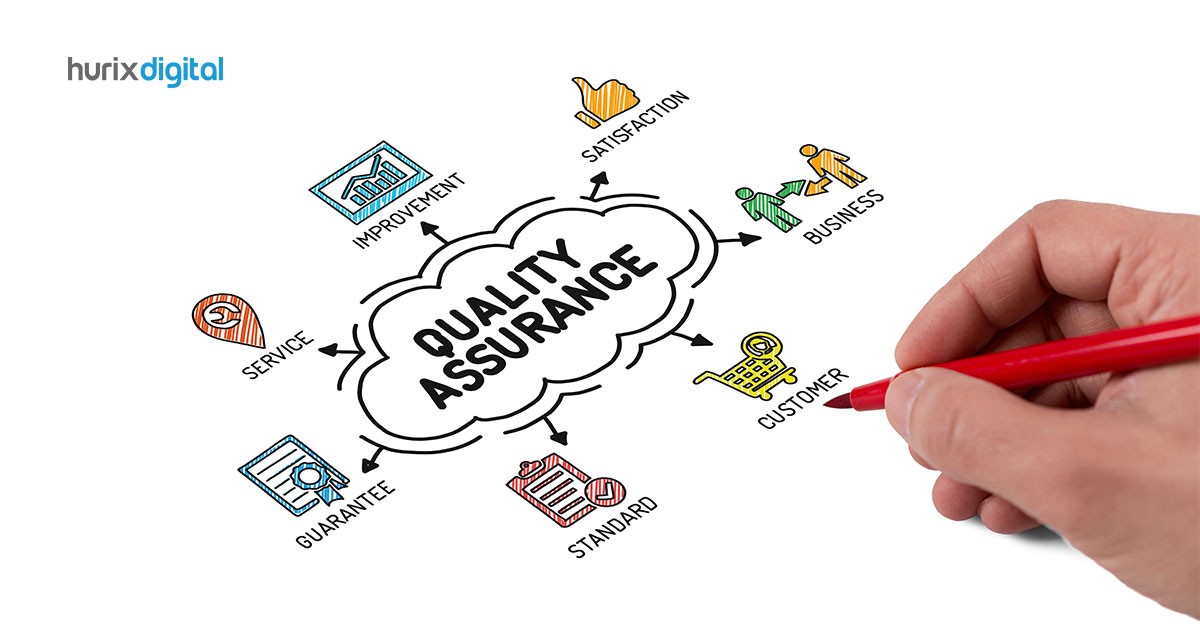
How Quality Assurance (QA) Can Improve Your Business Competitiveness 

[vc_row][vc_column][vc_column_text]In the modern, competitive world, the art and science of business development have begun to undergo a sea change. More and more organizations have started to rely on the transformational power of technology to streamline routine operations, improve overall productivity, enhance brand value, and thus, increase company revenue. So much so, that technology has turned into the primary enabler of a product or service’s functionality, durability, design, price, and reliability! However, when it comes to meeting customer needs and fulfilling their expectations in a detailed, and diligent manner, technology cannot work in silos. It has to be assisted by a systematic and methodical process whose basic objective is to prevent any conceptual, strategic, technical, or structural flaws, even before they happen! Do you know what this process is called? – Quality Assurance![/vc_column_text][vc_custom_heading text=”What is Quality Assurance?” font_container=”tag:h2|font_size:18|text_align:left” google_fonts=”font_family:Lato%3A100%2C100italic%2C300%2C300italic%2Cregular%2Citalic%2C700%2C700italic%2C900%2C900italic|font_style:900%20bold%20regular%3A900%3Anormal” css=”.vc_custom_1594217194294{margin-top: 0px !important;margin-bottom: 0px !important;border-top-width: 0px !important;border-bottom-width: 0px !important;padding-top: 0px !important;padding-bottom: 10px !important;}”][vc_column_text]Quality Assurance, often abbreviated as QA, is essentially a quality management process that maintains the desired level of service/product quality by paying strict attention to each stage of production, distribution, and consumption. This process, fundamentally, aims to sustain production consistency, advance work efficiency, improve competitiveness, and boost customer confidence – both internally and externally. For most practical purposes, quality assurance functions as a self-certified guarantee that each development phase of the product/service has been thoroughly analyzed, and all necessary protocols of standardized control have been properly met. As a business, if you too want to gain a decisive edge over your competitors, here are a few simple ways by which you can leverage the dynamic QA process and use it effectively to your advantage –  Process Integration  In the contemporary business landscape, each process is well-defined, iterative, and agile. Every task has to be performed within a precise deadline, and with rising competition, many of these deadlines are getting shorter. Under such circumstances, the integration of quality assurance throughout the length and breadth of the business process architecture can literally work wonders! Realizing what is quality assurance in business can ensure consistency across the conception, execution, and delivery phases, thereby limiting unnecessary delays and preventing needless reworks. As a result, high-value products and services can be offered in the shortest possible time. Cost Reduction  Imagine a situation where, right after your product or service is launched, it begins to face numerous problems. Customer complaints start to filter in, and ultimately, users abandon your ship even before it has properly set sail. The truth is, without a quality assurance process to back you up, this scenario is most likely to turn into a grave reality! But with proper competitiveness improvement services (QA) at your disposal, you can easily bring about an optimal alignment between customer expectations and product creation. With diligent QA, great amounts can be saved, and the expenses associated with return and redressal can be reduced to a bare minimum. Experience Enhancement Let us consider that as a new startup, you have recently made a website. But, despite the best of your efforts, your site is taking way too long to load. Do you think your prospective customers would prefer to wait or revisit your site again? The answer is clearly negative. A delay of even one-hundredth of a millisecond in your load time will cause your conversion rates to drop by as much as 7%. These are precisely the kind of situations that QA can easily get you out of. With QA, a smooth, intuitive, and seamless user experience is guaranteed. This helps users take away a positive memory and develop long-term loyalty to your brand. Productivity Improvement  One of the biggest advantages of quality assurance is that it makes your product/service more robust, stable, and reliable. Your employees don’t have to deal with the sudden issues of providing quick-fix solutions to customer grievances. Neither do they have to conduct frantic research or indulge in time-consuming, complex procedures to fix the problem. Instead, by knowing how to improve quality assurance and embedding it deep within their workflow, they can operate smoothly while keeping their attention focused on what is important – building, refining, and streamlining a product or service. Doing so doesn’t just enhance their operational capacity, but it also improves their overall output and productivity. Emergency Management  Last, but not least, QA works as a highly effective tool in managing corporate emergencies. This is because the quality assurance process in its entirety does not leave any room for defects, flaws, or errors – especially in areas that are delicate and sensitive. Therefore, when an exigent situation like a communication breakdown, database exploitation, or system blackout arises, the well-oiled organizational machinery is equipped to deal with it in a much smarter way. Such quick response and tactical management of emergencies go a long way in helping enterprises distinguish themselves from their competitors. In other words, with quality assurance powering your workflows, your core competencies experience a great rise and it improves your business competitiveness. As a result, the credibility of your organization, its brand reputation, customer confidence, and market competitiveness, witness a massive amount of spontaneous improvement.[/vc_column_text][vc_custom_heading text=”In Closing” font_container=”tag:h2|font_size:18|text_align:left” google_fonts=”font_family:Lato%3A100%2C100italic%2C300%2C300italic%2Cregular%2Citalic%2C700%2C700italic%2C900%2C900italic|font_style:900%20bold%20regular%3A900%3Anormal” css=”.vc_custom_1594217731528{margin-top: 0px !important;margin-bottom: 0px !important;border-top-width: 0px !important;border-bottom-width: 0px !important;padding-top: 0px !important;padding-bottom: 10px !important;}”][vc_column_text]According to the World Quality Report, the QA budget of every organization should ideally be at least 25% of its total development costs. This is because the quality assurance process would require a good amount of continuous financial input if it is expected to maintain a reasonable level of product/service quantity, efficiency, and quality. Therefore, it is extremely critical for enterprises across the world to invest both time and capital into creating a culture of assurance-based commitment that strives to identify weaknesses, correct errors, and prioritize prevention & thus, eradicating even the slightest chance of failure. Such a professional QA culture would not just offer businesses a fresh development perspective, but it would also provide them with the opportunity to intercept potential defects and avert serious failures. So, what are you waiting for? Jump on the QA bandwagon

Hurix February 21, 2023 No Comments

Best Practices in Editorial Project Management for Publishers

[vc_row][vc_column][vc_column_text]Editorial project management essentially means controlling and curating how the book turns out after publishing. It involves various tasks that decide the quality of the publishing process. Effective editorial project management can transform your disorganized work into a well-structured process that will ensure quality results.  Table of Contents:  What is Editorial Project Management? Who Performs the Editorial Project Management Tasks? Benefits of Editorial Project Management Plan Best Practices in Editorial Project Management Conclusion [/vc_column_text][vc_custom_heading text=”What is Editorial Project Management?” font_container=”tag:h1|font_size:18|text_align:left” google_fonts=”font_family:Lato%3A100%2C100italic%2C300%2C300italic%2Cregular%2Citalic%2C700%2C700italic%2C900%2C900italic|font_style:900%20bold%20regular%3A900%3Anormal” css=”.vc_custom_1676966811836{margin-top: 0px !important;margin-bottom: 0px !important;border-top-width: 0px !important;border-bottom-width: 0px !important;padding-top: 0px !important;padding-bottom: 10px !important;}” el_id=”what”][vc_column_text]In the world of publishing, editorial project management refers to overseeing all the processes and functions involved in transitioning a manuscript into a printed/electronic version for consumption of the end-readers. Editorial Project Management Tasks The tasks involved in editorial project management can be broadly categorized into 3 tasks.  1. Coordinating with Authors & Other Stakeholders Coordinating all activities and holding regular team meetings for brainstorming and negotiating any problems that may arise Checking for permissions and ensuring there is no violation of copyright material or intellectual property Updating the stakeholders on the progress of the project and estimated time of completion 2. Coordinating with Freelancers & Suppliers Providing detailed briefs about all tasks and ensuring that they are carried out efficiently Ensuring that the manuscript is edited, type-set, proofread, illustrated, indexed and converted to a print/digital version Providing necessary feedback Approving budgets and overseeing all other financial arrangements 3. Taking Ownership of the Project Sourcing of missing content and checking artwork and getting approvals from the authors Ensuring that the project progresses within the budget and timeframe, and is delivered to the highest standards  Maintaining a project sheet to ensure consistent standards throughout the project  Maintaining the quality of the project – right from inception to the final deliverables [/vc_column_text][vc_custom_heading text=”Who Performs the Editorial Project Management Tasks?” font_container=”tag:h2|font_size:18|text_align:left” google_fonts=”font_family:Lato%3A100%2C100italic%2C300%2C300italic%2Cregular%2Citalic%2C700%2C700italic%2C900%2C900italic|font_style:900%20bold%20regular%3A900%3Anormal” css=”.vc_custom_1676966823848{margin-top: 0px !important;margin-bottom: 0px !important;border-top-width: 0px !important;border-bottom-width: 0px !important;padding-top: 0px !important;padding-bottom: 10px !important;}” el_id=”who”][vc_column_text]In-house and External Project Managers: Traditionally, editorial project management was mainly done in-house, but given the complexities of the tasks involved, many companies are now outsourcing the entire project management or keeping certain aspects, for example, design and creating type specifications, in-house, and hiring external project managers to manage other tasks such as editing, proofreading, indexing and formatting.  Packagers: This is generally a typesetting company that is hired to manage a large number of titles for publishers. In a normal workflow, packagers are provided an initial brief and after that they work independent of the sourcing company. Copy Editors: Many companies prefer to outsource their copy-editing and proofreading requirements. In fact, a freelance project manager could also be the copy editor, proof-reader or typesetter of the project.[/vc_column_text][vc_custom_heading text=”Benefits of Editorial Project Management Plan” font_container=”tag:h2|font_size:18|text_align:left” google_fonts=”font_family:Lato%3A100%2C100italic%2C300%2C300italic%2Cregular%2Citalic%2C700%2C700italic%2C900%2C900italic|font_style:900%20bold%20regular%3A900%3Anormal” css=”.vc_custom_1676966836510{margin-top: 0px !important;margin-bottom: 0px !important;border-top-width: 0px !important;border-bottom-width: 0px !important;padding-top: 0px !important;padding-bottom: 10px !important;}” el_id=”benefits”][vc_column_text]Laying out a detailed editorial strategy is of utmost importance in editorial project management. A majority of organizations struggle with their editorial project management plans. When done right, editorial project management plan can help you build a path for positive business outcomes.  Helps your entire team be on the same page working towards a unified goal Helps you prioritize the tasks that matter Helps you track your progress Helps you analyze the areas of improvement and opportunities Helps you be in control of the editorial process Managing a project efficiently requires a lot of experience, skills and knowledge; and excellent organizational skills. When you hire editorial project managers, they will bring their own workflows to the table. It is important to ensure that best practices of editorial project management are followed.[/vc_column_text][vc_custom_heading text=”Best Practices in Editorial Project Management” el_id=”best”][vc_column_text] Understand the Project: Define the goals, objectives and requirements. Determine the resources you will need to take it to its logical conclusion and also assess the risks and lay out strategies to tackle them.  Examine the Content: You may also take into confidence your copy editor to assess the structure and use of language in the manuscript. Also consider the format and digital blend, review multimedia and features required to create a digital version. Scheduling: Prepare an efficient time-bound schedule to ensure timely completion of each task in the project.  Budgeting: Determine the costs and assess the profitability of the project. Also, create a contingency plan while keeping within the budget. Manage the Team: Depending on the work requirements, match capabilities and put together an effective team to give shape to the project. Create detailed briefs to share with each member of the team. You may also need to work with freelancers. Hold an Initial Project Kick-Off Meeting: The meeting will help align all the stakeholders to the goals of the editorial project. Communicate with all members their roles and the tasks they have to perform. Share with them the briefs you have prepared so they are clear about their roles and duties. Create a Work Definition Document: Clearly explain and document the scope and objectives of the project and responsibility for each task. Also, define the procedures upfront so the team members know what to expect and what is expected of them. Create a Workflow and Plan: This is another crucial factor for successful editorial project management as it ensures that work is carried out within the time and budget. This document serves as a reference guide for all team members to accomplish their tasks. Document Real-time Data: Everything needs to be accounted for and the best way to do this is to document everything. In case anything happens, it becomes easier to trace the source of the problem and fix it. Also, with everything documented, you will have all the data you need for actionable insights and better decision-making. Communicate Effectively: Schedule regular meetings to ensure that the editorial project is on track and all members are meeting their milestones. Effective communication will help you anticipate problems and avoid any delay in project delivery due to misunderstandings. Track Progress: Continuous tracking is essential in editorial

Hurix February 21, 2023 No Comments

10 Benefits of Moodle based Learning Management System (LMS)

[vc_row][vc_column][vc_custom_heading text=”What is an LMS?” font_container=”tag:h1|font_size:18|text_align:left” google_fonts=”font_family:Lato%3A100%2C100italic%2C300%2C300italic%2Cregular%2Citalic%2C700%2C700italic%2C900%2C900italic|font_style:900%20bold%20regular%3A900%3Anormal” css=”.vc_custom_1668513690144{margin-top: 0px !important;margin-bottom: 0px !important;border-top-width: 0px !important;border-bottom-width: 0px !important;padding-top: 0px !important;padding-bottom: 10px !important;}”][vc_column_text]Simply defined, a learning management system (LMS) is a software used to administer learning and training of various courses to one or more learners. These days, an LMS is typically a cloud-based system that allows the learners to authenticate themselves, register for the course, complete the course, and then take assessments for learning outcomes. More and more organizations across the globe are adopting learning management systems (LMS) to supplement their learning and training requirements. Compared to traditional classrooms, an LMS offers several advantages. First, learning is not restricted to a classroom with an instructor explaining the course to all students together, irrespective of their learning abilities and capacities to assimilate, retain, and recall. An LMS allows learning at your own pace. Moreover, the course contents are in the form of micro-nuggets, enabling the learners to master one concept at a time before proceeding to the next level. The second advantage is that learners are not restricted to the boundaries of physical classrooms and can learn anywhere, anytime, in their homes, offices or while on the move. Besides, a cloud-based LMS can also be leveraged for team learning across geographies, enabling knowledge-sharing and brainstorming.[/vc_column_text][vc_custom_heading text=”What is Moodle-based Learning Management System?” font_container=”tag:h2|font_size:20|text_align:left” google_fonts=”font_family:Lato%3A100%2C100italic%2C300%2C300italic%2Cregular%2Citalic%2C700%2C700italic%2C900%2C900italic|font_style:900%20bold%20regular%3A900%3Anormal” css=”.vc_custom_1668513679708{margin-top: 0px !important;margin-bottom: 0px !important;border-top-width: 0px !important;border-bottom-width: 0px !important;padding-top: 0px !important;padding-bottom: 10px !important;}”][vc_column_text]There are several types of LMS available, the most popular being a Moodle based Learning Management System, which is an open source, free to download, flexible user-friendly eLearning platform, supported by a global community and with over 68 million users worldwide from all types of organizations. The Moodle based LMS is ideal for: Compliance training Online course development Competency-based training and management Onboarding training Workplace safety training Product and service launches Hiring, recruitment and interview process [/vc_column_text][vc_custom_heading text=”Top 10 Benefits of a Moodle-based Learning Management System (LMS)” font_container=”tag:h2|font_size:20|text_align:left” google_fonts=”font_family:Lato%3A100%2C100italic%2C300%2C300italic%2Cregular%2Citalic%2C700%2C700italic%2C900%2C900italic|font_style:900%20bold%20regular%3A900%3Anormal” css=”.vc_custom_1668513698730{margin-top: 0px !important;margin-bottom: 0px !important;border-top-width: 0px !important;border-bottom-width: 0px !important;padding-top: 0px !important;padding-bottom: 10px !important;}”][vc_custom_heading text=”1. User-friendly Interface” font_container=”tag:h3|font_size:18|text_align:left” google_fonts=”font_family:Lato%3A100%2C100italic%2C300%2C300italic%2Cregular%2Citalic%2C700%2C700italic%2C900%2C900italic|font_style:900%20bold%20regular%3A900%3Anormal” css=”.vc_custom_1629724166186{margin-top: 0px !important;margin-bottom: 0px !important;border-top-width: 0px !important;border-bottom-width: 0px !important;padding-top: 0px !important;padding-bottom: 10px !important;}”][vc_column_text]A research conducted by Brandon Hall Group in 2016 showed that about 44% of the companies using an LMS were thinking of replacing them with ones that could provide them with a better user experience. It is very important for an LMS to have a user-friendly interface with self-descriptive navigation features,and a Moodle-based LMS provides just that. The LMS is easy to use, which means you have to invest minimum time on training and learning to familiarize your employees to use it effectively.[/vc_column_text][vc_custom_heading text=”2. Ease of Integration” font_container=”tag:h3|font_size:18|text_align:left” google_fonts=”font_family:Lato%3A100%2C100italic%2C300%2C300italic%2Cregular%2Citalic%2C700%2C700italic%2C900%2C900italic|font_style:900%20bold%20regular%3A900%3Anormal” css=”.vc_custom_1629724208099{margin-top: 0px !important;margin-bottom: 0px !important;border-top-width: 0px !important;border-bottom-width: 0px !important;padding-top: 0px !important;padding-bottom: 10px !important;}”][vc_column_text]Moodle based Learning Management System (LMS) is easy to integrate with your various business functions within the enterprise such are human resource management, compliance, talent management, workflow management, customer relationship management, payment processing to name a few. Besides, it also has features that enable the sharing of data across all geographies.[/vc_column_text][vc_custom_heading text=”3. Content Management” font_container=”tag:h3|font_size:18|text_align:left” google_fonts=”font_family:Lato%3A100%2C100italic%2C300%2C300italic%2Cregular%2Citalic%2C700%2C700italic%2C900%2C900italic|font_style:900%20bold%20regular%3A900%3Anormal” css=”.vc_custom_1629724243457{margin-top: 0px !important;margin-bottom: 0px !important;border-top-width: 0px !important;border-bottom-width: 0px !important;padding-top: 0px !important;padding-bottom: 10px !important;}”][vc_column_text]A Moodle based LMS can support all latest eLearning standards such as SCORM and Tin Can/xAPI. Besides, it also enables you to upload existing documents and videos, and also share materials and events between courses or learning paths.[/vc_column_text][vc_custom_heading text=”4. Ease of Access” font_container=”tag:h3|font_size:18|text_align:left” google_fonts=”font_family:Lato%3A100%2C100italic%2C300%2C300italic%2Cregular%2Citalic%2C700%2C700italic%2C900%2C900italic|font_style:900%20bold%20regular%3A900%3Anormal” css=”.vc_custom_1629724276513{margin-top: 0px !important;margin-bottom: 0px !important;border-top-width: 0px !important;border-bottom-width: 0px !important;padding-top: 0px !important;padding-bottom: 10px !important;}”][vc_column_text]Moodle-based LMS has a responsive design, which means that the content can adjust to different screen sizes, be it a mobile device or tablet. Also, with more and more people using their smartphones while on the move, it is important to ensure that the LMS supports mobile learning, implying that the content should be interactive and delivered in short segments. Besides, it has generally been observed that users also want more social engagement. Hence, Moodle-based LMS has all the necessary features that enable communication through discussion boards.[/vc_column_text][vc_custom_heading text=”5. Blended Learning Features” font_container=”tag:h3|font_size:18|text_align:left” google_fonts=”font_family:Lato%3A100%2C100italic%2C300%2C300italic%2Cregular%2Citalic%2C700%2C700italic%2C900%2C900italic|font_style:900%20bold%20regular%3A900%3Anormal” css=”.vc_custom_1629724321631{margin-top: 0px !important;margin-bottom: 0px !important;border-top-width: 0px !important;border-bottom-width: 0px !important;padding-top: 0px !important;padding-bottom: 10px !important;}”][vc_column_text]Besides providing online features, this LMS is able to support offline learning and includes features for tracking, recording and assessing offline events along with online ones.[/vc_column_text][vc_custom_heading text=”6. Assessment and Testing” font_container=”tag:h3|font_size:18|text_align:left” google_fonts=”font_family:Lato%3A100%2C100italic%2C300%2C300italic%2Cregular%2Citalic%2C700%2C700italic%2C900%2C900italic|font_style:900%20bold%20regular%3A900%3Anormal” css=”.vc_custom_1629724344333{margin-top: 0px !important;margin-bottom: 0px !important;border-top-width: 0px !important;border-bottom-width: 0px !important;padding-top: 0px !important;padding-bottom: 10px !important;}”][vc_column_text]The Learning Management System can support pre-tests and post-tests as part of the learning process. Besides, it has several flexible testing and assessment features, for example, automatic and manual marking, storing a learner’s complete assessment portfolio etc.[/vc_column_text][vc_custom_heading text=”7. Reporting and Tracking” font_container=”tag:h3|font_size:18|text_align:left” google_fonts=”font_family:Lato%3A100%2C100italic%2C300%2C300italic%2Cregular%2Citalic%2C700%2C700italic%2C900%2C900italic|font_style:900%20bold%20regular%3A900%3Anormal” css=”.vc_custom_1629724383992{margin-top: 0px !important;margin-bottom: 0px !important;border-top-width: 0px !important;border-bottom-width: 0px !important;padding-top: 0px !important;padding-bottom: 10px !important;}”][vc_column_text]Apart from assessment and testing, Moodle-based LMS includes features to track and record learners’ progress through a learning path. Besides, it can analyse exam performance and record which learners have completed particular learning items and which ones have not. In case of e-commerce, it can track purchase, revenues and performance of marketing initiatives.[/vc_column_text][vc_custom_heading text=”8. Security” font_container=”tag:h3|font_size:18|text_align:left” google_fonts=”font_family:Lato%3A100%2C100italic%2C300%2C300italic%2Cregular%2Citalic%2C700%2C700italic%2C900%2C900italic|font_style:900%20bold%20regular%3A900%3Anormal” css=”.vc_custom_1629724402149{margin-top: 0px !important;margin-bottom: 0px !important;border-top-width: 0px !important;border-bottom-width: 0px !important;padding-top: 0px !important;padding-bottom: 10px !important;}”][vc_column_text]The importance of security of data cannot be underestimated. An LMS doesn’t just include records and personal data of learners but also content that is proprietary in nature or is of commercial value. The Moodle LMS has a secure sign-in feature to protect sensitive data. It also provides controlled access to ensure data integrity is maintained at all times.[/vc_column_text][vc_custom_heading text=”9. E-commerce Functionality” font_container=”tag:h3|font_size:18|text_align:left” google_fonts=”font_family:Lato%3A100%2C100italic%2C300%2C300italic%2Cregular%2Citalic%2C700%2C700italic%2C900%2C900italic|font_style:900%20bold%20regular%3A900%3Anormal” css=”.vc_custom_1629724439975{margin-top: 0px !important;margin-bottom: 0px !important;border-top-width: 0px !important;border-bottom-width: 0px !important;padding-top: 0px !important;padding-bottom: 10px !important;}”][vc_column_text]In case you wish to generate further revenues from selling your courses, you must ensure that your Learning Management System offers an e-commerce functionality, complete with tracking and reporting features to allow you to track purchases and generate revenue reports. Moodle LMS has an appropriate functionality to support e-commerce and also incorporates payment gateways to allow customers to make their purchases through credit cards, PayPal etc.[/vc_column_text][vc_custom_heading text=”10. More Than 500 Plugins” font_container=”tag:h3|font_size:18|text_align:left” google_fonts=”font_family:Lato%3A100%2C100italic%2C300%2C300italic%2Cregular%2Citalic%2C700%2C700italic%2C900%2C900italic|font_style:900%20bold%20regular%3A900%3Anormal” css=”.vc_custom_1629724459115{margin-top: 0px !important;margin-bottom: 0px !important;border-top-width: 0px !important;border-bottom-width:

Hurix February 21, 2023 No Comments

Top 7 Factors to Consider When Choosing Employee Training Software

[vc_row][vc_column][vc_column_text]In today’s constantly evolving workforce training environment, it has become increasingly important for organizations to ensure that employee learning & development remains a top priority. And powerful employee training software is the best way to do this. Businesses leverage employee training software as a tool to help them identify the engagement level of their employees, ensure high productivity, find out course completion rates, and satisfy all the enterprise training requirements.  Overall, employee training software allows companies to design a training curriculum with more realistic outcomes and also make it meaningful and profitable in the long run.  Read on to learn more about employee training software and how to choose the best one for your business.[/vc_column_text][vc_custom_heading text=”Why should companies invest in employee training software?” font_container=”tag:h1|font_size:18|text_align:left” google_fonts=”font_family:Lato%3A100%2C100italic%2C300%2C300italic%2Cregular%2Citalic%2C700%2C700italic%2C900%2C900italic|font_style:900%20bold%20regular%3A900%3Anormal” css=”.vc_custom_1635409884182{margin-top: 0px !important;margin-bottom: 0px !important;border-top-width: 0px !important;border-bottom-width: 0px !important;padding-top: 0px !important;padding-bottom: 10px !important;}”][vc_column_text]Employee training software is primarily a tool used by companies to provide their staff with online training. It allows learners to complete the training at their own pace with a well-defined online training module at their fingertips. This helps them in retaining the information much more efficiently as compared to the conventional training sessions. Apart from this, employee training software also helps companies save money on training equipment, instructors, and other facilities for classrooms while making the entire process much more effective for corporate learners. Here are some of the other reasons why it makes sense to invest in a good employee training software- Higher knowledge retention Better accessibility of resources Improved training flexibility Helps to reinforce vital knowledge Allows your employees to train from multiple locations Lower training costs Improves employee productivity [/vc_column_text][vc_custom_heading text=”How to choose the best employee training software for your employees?” font_container=”tag:h2|font_size:18|text_align:left” google_fonts=”font_family:Lato%3A100%2C100italic%2C300%2C300italic%2Cregular%2Citalic%2C700%2C700italic%2C900%2C900italic|font_style:900%20bold%20regular%3A900%3Anormal” css=”.vc_custom_1635409996523{margin-top: 0px !important;margin-bottom: 0px !important;border-top-width: 0px !important;border-bottom-width: 0px !important;padding-top: 0px !important;padding-bottom: 10px !important;}”][vc_column_text]Among some of the things that you need to consider when choosing the best employee training software include- Compatibility with multiple devices  With a high population of youngsters owning a smartphone today, it has become important that learning should be accessible from anywhere. Online software for employee training should, therefore, make training available on mobile devices as it increases the accessibility of courses and also addresses the just-in-time needs of modern learners. Offering employees the ability to complete training on their mobile devices also gives businesses the advantage of keeping the entire workforce updated. Irrespective of the physical location of office employees, eLearning or online courses make it much easier for them to access training Updated content For employee training to be successful, it is important that the training material is up to date and must keep the learner’s attention. To ensure this, the software should have user-friendly navigation, interesting visuals, and more to keep the training content engaging and fun for learners, which, in turn, increases knowledge retention. Further, it is essential to make sure that the training content used in the software is updated and reviewed regularly to check for consistency with industry trends and changing rules and regulations. Go for a feature-rich employee training software Another important consideration while choosing an employee training software is its features against the one you need. The best thing is to select a training software with features that support the overall learning objectives and allow learners to utilize them to the fullest. Too many extra functionalities can complicate the software, thus intimidating the learners and becoming a deterrent for learning. To avoid this, make sure to thoroughly assess the features of the software or else you will end up paying for something you don’t need or use. Also, check the different subscription types and their features to decide on which vendor offers the features you need for a reasonable price. Compatibility with existing systems When choosing employee training software, it is important to keep in mind the compatibility with existing systems. The choice, therefore, should be such that the new training software must comply and easily integrate with existing systems. For instance, most of the modern LMS available today can integrate with HRMS and other similar software that the organization has already put up in place. This helps to track learners efficiently and align their learning with other activities in the organization. Analytics  Quantifying your employees’ knowledge and performance can be an overwhelming task. However, identifying the gaps to provide suitable online training materials and aligning your online training initiatives with the desired outcomes is very important. It is, therefore, essential to pick up a training software that duly records the comments and suggestions by the learners. The software should also allow L&D managers to generate collated reports of learners’ comments and suggestions to better align the content as per their specific needs. Choosing a training software with features such as rapid authoring tools, various sample templates, integration of media elements such as animations, audio-visuals, etc., helps training & development teams to create content as per employee needs for better learning outcomes. Social learning integration Asynchronous training can be very dull and isolating for some employees. To avoid this, having employee training software that includes social media integration and collaboration tools can be very useful.  The social interactivity feature in training software allows employees to engage with their remote peers and facilitates robust knowledge sharing. This can be anything from live events, real-time discussions to group collaboration projects. Further, the training software you pick should also have room for social media icons to allow employees to access relevant groups and pages quickly. Brand integration Last but not least, the training software you choose must allow you to put your branding on it to reflect your unique image and messaging. Full brand integration and customization is an important aspect to have in an employee training software. For example, the software should be able to incorporate the company’s logo into the training dashboard and adjust the color scheme accordingly. [/vc_column_text][vc_custom_heading text=”To wrap” font_container=”tag:h3|font_size:18|text_align:left” google_fonts=”font_family:Lato%3A100%2C100italic%2C300%2C300italic%2Cregular%2Citalic%2C700%2C700italic%2C900%2C900italic|font_style:900%20bold%20regular%3A900%3Anormal” css=”.vc_custom_1635410125985{margin-top: 0px !important;margin-bottom: 0px !important;border-top-width: 0px !important;border-bottom-width: 0px !important;padding-top: 0px !important;padding-bottom: 10px !important;}”][vc_column_text]Employee training software is instrumental in improving the staff’s morale and