Hurix April 24, 2023 No Comments

How Do Interactive Learning Systems Improve Employee Performance?

[vc_row][vc_column][vc_column_text]Interactive learning systems are a new learning approach that incorporates digital media technology, computing, and social networking for course delivery. As the name suggests, the learners learn by interacting with the course content, with little dependence on the instructor, as their role cannot be overlooked entirely.  Interactive learning took roots around two decades back when technology was introduced to support self-learning. Over the years, this approach to learning has gained momentum. In fact, Generation Y is the first generation to grow up in a learning environment that is based majorly on technology. Also known as the digital natives, this generation of learners find using technology in learning and development as simple as using paper and pencil by the past generations.  Interactive learning gives learners more significant control over their learning. In this pedagogical approach, the role of the instructor changes from the keeper of knowledge to the facilitator of learning. The boundaries between the instructor and the learner diminish, with learners able to experiment and find answers independently rather than depend on their instructors to provide them. For the most part, interactive learning systems require learners to have a basic understanding of using PCs and mobile phones. [/vc_column_text][vc_custom_heading text=”In this article, we specifically look at how interactive learning systems can improve employee performance.” font_container=”tag:h1|font_size:18|text_align:left” google_fonts=”font_family:Lato%3A100%2C100italic%2C300%2C300italic%2Cregular%2Citalic%2C700%2C700italic%2C900%2C900italic|font_style:900%20bold%20regular%3A900%3Anormal” css=”.vc_custom_1631434568307{margin-top: 0px !important;margin-bottom: 0px !important;border-top-width: 0px !important;border-bottom-width: 0px !important;padding-top: 0px !important;padding-bottom: 10px !important;}”][vc_column_text]Enables employees to learn by doing Training modules are designed in a way that allows employees to interact with the content, find their own path, and derive insights while also honing their reasoning abilities. To illustrate with an example, in game-based learning, the content is designed in the form of levels. Each level has its own rewards and recognitions, motivating ‘players’ to complete one level and move to the next, till finally, they reach the end of the module.  The course is designed such that each module ends with an assessment or quiz, which the employees have to complete before they move on to the next module. The benefit of this form of interactive learning is that employees are not passive recipients of information; instead, they interpret the new knowledge on their own, make decisions, explore multiple paths, and course-correct when they make mistakes. Instead of learning by rote, they assimilate the knowledge for the long term. Initiation to real-life scenarios Interactive learning modules can imitate real-life scenarios using digital technologies such as virtual reality, augmented reality, or simulations. For example, a simulation-based sales training module can help employees learn how to interact with potential clients while promoting the company’s products or services. The employees can interact with the scenario and hone their skills in communication and persuasion.  Besides, they can also learn how to address their queries or even deal with tricky situations satisfactorily. The benefit of interactive learning is that the employees get hands-on experience dealing with clients in a virtual or simulated setting. They can learn from trial and error and understand the pitfalls to avoid. They can thus face real-time situations with more confidence and avoid making mistakes that can prove costly for the company. Provides real-time feedback When employees participate in the training using interactive learning systems, they have to make decisions and can see the outcomes of the decisions immediately. They can, therefore, instantly assess if the choice they have made is correct, and if not, then where they went wrong.  Contrast this with a formal assessment, when the employee has to wait for feedback at the end of the activity – here, some crucial opportunities for real-time learning and course corrections are lost. With real-time feedback, the learning journey becomes a smooth ride without any major roadblocks to hinder the learning outcomes. Bridges the gap between knowledge and action There is a vast difference between hearing and seeing how a thing is done and performing a task to understand how it is done. When you see or hear something, chances are you are just looking at the surface; however, when you act, you dive deeper and learn better.  Interactive learning systems, such as simulation, help create an enhanced version of reality, allowing you to transition the knowledge gained into action. Besides, you can also explore multiple actions in a safe environment without any threat of negative consequences. Exploring multiple actions and determining what approach works best prepares the workforce to take proactive decisions when faced with workplace issues. Builds teamwork Interactive learning systems allow employees to hone individual skills and collaborate and function collectively as a team. In such a type of learning, course content is designed in the form of team activities, with teams competing with each other towards the winning goal. All team members work collaboratively to solve problems together.  Working collaboratively allows all participating members to share thoughts and view issues from various perspectives. Interactive learning systems, thus, make for a richer learning experience, building a healthy team spirit, which is crucial for the success of any business. Caters to different learning styles The traditional method of classroom learning is more focused on the instructor passing on the knowledge to the learners. Interactive learning systems allow for designing course content that caters to different learning styles. Further, the use of digital media technologies can create an immersive learning experience that a traditional lecture-type scenario cannot achieve.[/vc_column_text][vc_custom_heading text=”In conclusion” font_container=”tag:h2|font_size:18|text_align:left” google_fonts=”font_family:Lato%3A100%2C100italic%2C300%2C300italic%2Cregular%2Citalic%2C700%2C700italic%2C900%2C900italic|font_style:900%20bold%20regular%3A900%3Anormal” css=”.vc_custom_1631434828826{margin-top: 0px !important;margin-bottom: 0px !important;border-top-width: 0px !important;border-bottom-width: 0px !important;padding-top: 0px !important;padding-bottom: 10px !important;}”][vc_column_text]Interactive learning systems help to improve employee performance at various levels. They can learn at their own time, pace and convenience, without having to set aside their work responsibilities temporarily. They learn by doing, which gives them first-hand experience of using the new knowledge and skills while at work. Interactive digital technologies provide for a more immersive and engaging learning experience, resulting in better learning outcomes. Being engaged with the content makes learning all the more memorable. As employees get to practice real-life skills and knowledge in virtual or simulated environments, they can learn by trial and error.[/vc_column_text][/vc_column][/vc_row][vc_row][vc_column][vc_column_text] Need to


Hurix April 24, 2023 No Comments

Rapid eLearning Solutions for the Remote Workforce

[vc_row][vc_column][vc_column_text]When the pandemic spiraled out of control, the training initiatives of most enterprises came to a grinding halt. After this brief yet excruciating pause, businesses had to figure out alternatives to deliver employee training remotely. This, in turn, led to the rise of eLearning courses. Now, halfway into 2021, businesses have found a way to quickly create online training courses for their employees within the stipulated timelines and budget. And they are able to achieve that using rapid eLearning solutions![/vc_column_text][vc_custom_heading text=”What are Rapid eLearning Solutions?” font_container=”tag:h1|font_size:18|text_align:left” google_fonts=”font_family:Lato%3A100%2C100italic%2C300%2C300italic%2Cregular%2Citalic%2C700%2C700italic%2C900%2C900italic|font_style:900%20bold%20regular%3A900%3Anormal” css=”.vc_custom_1631865890181{margin-top: 0px !important;margin-bottom: 0px !important;border-top-width: 0px !important;border-bottom-width: 0px !important;padding-top: 0px !important;padding-bottom: 10px !important;}”][vc_column_text]Conventional eLearning projects may require a significant amount of time for completion. In some cases, it may take months to design a comprehensive eLearning course for employee training. Hence, experts came up with rapid eLearning solutions that are focused on performance-based learning objectives. And those objectives are set in such a way that they align perfectly with the organization’s goals. Rapid eLearning format keeps the existing training content (old courses, videos, manuals, etc.) of conventional eLearning courses and steers away from fluffy or ornamental stuff. It saves instructional designers and businesses huge costs as well as time. Rapid eLearning solutions– Take less time to develop Incur less cost to develop Leverage innovative learning strategies like storytelling and game-based learning. Despite their shorter timeframe, they do not skimp on quality, creativity, or efficient project management.  Rapid eLearning is not just slicing and dicing the content. It needs a carefully thought-out process. Developers and instructional designers evaluate the performance-based objectives to extract the right information. That said, the process is not cumbersome. Rapid authoring tools like Lectora, iSpring, Adobe Captivate, and Articulate 360 allow eLearning providers to develop microlearning modules fairly quickly.[/vc_column_text][vc_custom_heading text=”List of Rapid eLearning Solutions” font_container=”tag:h2|font_size:18|text_align:left” google_fonts=”font_family:Lato%3A100%2C100italic%2C300%2C300italic%2Cregular%2Citalic%2C700%2C700italic%2C900%2C900italic|font_style:900%20bold%20regular%3A900%3Anormal” css=”.vc_custom_1631866111976{margin-top: 0px !important;margin-bottom: 0px !important;border-top-width: 0px !important;border-bottom-width: 0px !important;padding-top: 0px !important;padding-bottom: 10px !important;}”][vc_column_text]Creating a rapid eLearning course requires expertise in instructional design, project management, content development, and more. If you’re equipped with these skills or have an in-house team with these crucial skills, you can develop rapid eLearning programs yourself. However, if that’s not the case, outsourcing it to an eLearning solutions provider is the right choice. You can also consider it if you have the expertise but lack time to develop an online employee training course within your anticipated timeline and budget. Another scenario where enterprises may need to outsource is when their resources and manpower are already maxed out, or their previous rapid eLearning courses didn’t provide the expected results. Below is the list of rapid eLearning solutions you may consider:  1. KITABOO KITABOO is a leading content creation and distribution platform equipped with advanced user analytics. It helps you deliver multimedia-rich content for rapid eLearning courses that can be viewed easily across mobile devices, desktops, and laptops. What’s more, it can easily integrate with your existing learning management system (LMS) if you have one. With KITABOO, enterprises can deliver hands-on learning experiences using highly engaging courses that include videos, audio, images, and HTML interactivities. This popular content delivery platform supports eLearning and peer-to-peer collaboration. In any training, it’s crucial to track the performance of participants. With KITABOO, you get powerful insights into the progress of your employees. Based on their performance, you can improve the personalized training experiences. 2. SweetRush SweetRush has garnered huge attention in recent years because of its ability to motivate learners and connect with them. They offer multiple delivery modalities that fit the mission-critical organizational needs. Moreover, SweetRush leverages innovative technology to make the rapid eLearning content engaging, interactive, and visually appealing. They do so by investing in new authoring tools that support rapid development. They have achieved a remarkable course completion speed, sometimes closing a project in 2-3 weeks. This is definitely one of the best rapid eLearning solutions out there. 3. El Design To meet the pressing needs of rapid content development, El Design has adopted an Agile development methodology. Using semi-customized eLearning content, they deliver the right experience for your employees. Their custom template library allows them to cut the development time in half. Not to mention this also reduces the cost incurred in creating rapid eLearning courses. If you’re looking to redesign a legacy course, El Design is a great option. They have dedicated teams that can meet your requirements in short deadlines. Therefore, if you aim to generate high-volume content within a short span of time, you may consider El Design.   4. Inno-Versity Inno-Versity uses cutting-edge technology to deliver highly interactive training content. They specialize in AR/VR, animations, instructor-led training, eLearning, blended learning, mobile learning, scenario-based learning, and gamification. Having worked with top enterprises worldwide, the team at Inno-Versity has the necessary experience needed to engage employees and bring measurable business outcomes. They keep learner experience and learning objectives at the top of their priority shelf. In the balancing act of quality and speed, the former never suffers. Inno-Versity has successfully created training materials for leadership, onboarding, and other operations. Hence, it’s one of the leading rapid eLearning solutions out there.[/vc_column_text][vc_custom_heading text=”To sum up” font_container=”tag:h3|font_size:18|text_align:left” google_fonts=”font_family:Lato%3A100%2C100italic%2C300%2C300italic%2Cregular%2Citalic%2C700%2C700italic%2C900%2C900italic|font_style:900%20bold%20regular%3A900%3Anormal” css=”.vc_custom_1631866249979{margin-top: 0px !important;margin-bottom: 0px !important;border-top-width: 0px !important;border-bottom-width: 0px !important;padding-top: 0px !important;padding-bottom: 10px !important;}”][vc_column_text]Whether or not you should train your employees using eLearning solutions is no longer a question. The real question is how to deliver high-quality training in the shortest time frame. When you think about that, rapid eLearning solutions are the right answer. By leveraging rapid eLearning solutions, you can escape the expensive development process and equip your employees with new skills in no time.[/vc_column_text][/vc_column][/vc_row][vc_row][vc_column][vc_column_text] Need to know more about our Products & Services ? Drop us a Note. We respect your privacy. We use the information you provide us to send you relevant content about industry trends and our products & services. You may unsubscribe from our list at any time. For more information, check out our Privacy Policy [/vc_column_text][/vc_column][/vc_row]

Hurix April 22, 2023 No Comments

8 Reasons to Transform Your Learning Content to Mobile Learning Nuggets

[vc_row][vc_column][vc_column_text] Did you know, we look at or utilize our smartphone device 221 times in one day? Undoubtedly, mobile usage exceeds desktop usage and here’s how: In total, 80% of individuals have a smartphone, and 27% utilize only this smartphone for digital connectivity. This means that even if you have a web-based learning center, most of your employees are accessing it through their smartphones only. So, why not make it convenient for employees? Over the years, mobile-based learning has proved its importance and efficiency in improving overall learning and training structure at the workplace. If you offer two types of training options to your employees – mobile-based learning and classroom learning – it is highly likely for most of the employees to choose mobile learning. At the same time, it is necessary to remember that mobile-based learning is not a replacement for e-learning. It should be viewed as an enhancement to e-learning. Today, we will discuss how mobile-based learning nuggets can help you improve the employee engagement in your workplace.[/vc_column_text][vc_custom_heading text=”Benefits Employees Can Achieve from Mobile Learning Nuggets” font_container=”tag:h1|font_size:18|text_align:left” google_fonts=”font_family:Lato%3A100%2C100italic%2C300%2C300italic%2Cregular%2Citalic%2C700%2C700italic%2C900%2C900italic|font_style:900%20bold%20regular%3A900%3Anormal” css=”.vc_custom_1569415769305{margin-top: 0px !important;margin-bottom: 0px !important;border-top-width: 0px !important;border-bottom-width: 0px !important;padding-top: 0px !important;padding-bottom: 10px !important;}”][vc_column_text] 1. Extended Training Think of mobile learning as an extension to workplace training programs. The employee can take their training anywhere they go. For instance, an employee who is visiting another city for business can easily access the learning material through their smartphone. Even if you opt for a blended learning approach, you can deliver face-to-face training and ask the employees to learn some of the topics as part of a self-learning exercise. In this way, mLearning acts as an extended learning program which can be continued even outside the office environment. 2. Immediate Access A study revealed that 46% of employees use their phones in bed for mobile learning and 52% use their smartphones for learning after waking up. Offering immediate access to relevant data through mobile-based learning offers the flexibility of on-the-go learning. This means that your employees can immediately access training content anytime they want – when they are commuting or taking a tea break in the office. 3. Collaborative Learning Discussion forums and chat groups can be included to the mLearning platform as part of a collaborative learning process. This helps employees to share their doubts with each other and get them resolved; this group effort helps everyone to learn something new. 4. Instant Feedback Since employees use their smartphones several times in a day, the feedback loop is accelerated. The training manager can offer instant responses to employee queries and offer advice on how to enhance learning. Whenever an employee makes a mistake, the training manager can point out the errors and give an opportunity to enhance personal growth and learning.[/vc_column_text][vc_custom_heading text=”Here’s Why You Should Consider Migrating to Mobile Learning Nuggets” font_container=”tag:h2|font_size:18|text_align:left” google_fonts=”font_family:Lato%3A100%2C100italic%2C300%2C300italic%2Cregular%2Citalic%2C700%2C700italic%2C900%2C900italic|font_style:900%20bold%20regular%3A900%3Anormal” css=”.vc_custom_1569415884514{margin-top: 0px !important;margin-bottom: 0px !important;border-top-width: 0px !important;border-bottom-width: 0px !important;padding-top: 0px !important;padding-bottom: 10px !important;}”][vc_column_text] Enhanced Attention Here’s how mobile-based learning nuggets improve the attention span of the viewer: The attention span of individuals is reducing, so short videos and content pieces are easier to watch and retain. The need for instant gratification is served well with mobile-based learning nuggets. With shorter snippets, the distraction percentage decreases. Take Facebook for example, most of the users on Facebook watch a video for not more than 1 minute; on YouTube, this time is 4-5 minutes. So, keeping videos and written content short and to-the-point improves the attention of the viewer. Improved Retention Due to shorter content, mobile-based learning nuggets reduce the dropout rate, improve attention, and enhance concentration. It is easier to watch and remember a short learning video of 1 minute. Contrary to this, if you deliver a 1-hour long learning video or a lengthy blog post, the dropout rate would be extremely high. All these factors combined enhance the retention rate of the knowledge gained through mobile learning nuggets. Increased Engagement If the delivered content is short, your learners are more likely to switch off from other activities and concentrate all their mental attention towards the snippet. When this happens, the retention is more, and the engagement is even better. They will not want to stop the learning process and would want to know more about the topic, here’s why: If you have a topic named social media marketing, you can divide your mobile-based learning nuggets into short sections. In every nugget, pick up only one aspect, for example, Facebook posts. When you do that, your employee learns about how to post on Facebook, the frequency with which to post, best time of the day to post etc., but they still would long to know more. So, when they next have time, they will explore for other related nuggets such as creating Facebook graphics or measuring engagement. Feasibility  There are employees in a managerial role who simply don’t have any time during the day for training. And then there are those who strive to attain a work-life balance, so they focus only on work in the office. In a situation like this, it is imperative to develop a method so that everyone has access to training programs. With mobile-based learning nuggets, every employee can fit learning in between their tight schedules.[/vc_column_text][vc_custom_heading text=”Utilize Mobile Learning Nuggets for Workplace” font_container=”tag:h2|font_size:18|text_align:left” google_fonts=”font_family:Lato%3A100%2C100italic%2C300%2C300italic%2Cregular%2Citalic%2C700%2C700italic%2C900%2C900italic|font_style:900%20bold%20regular%3A900%3Anormal” css=”.vc_custom_1569416036068{margin-top: 0px !important;margin-bottom: 0px !important;border-top-width: 0px !important;border-bottom-width: 0px !important;padding-top: 0px !important;padding-bottom: 10px !important;}”][vc_column_text]With the increase in popularity of mobile applications and the feasibility of using a smartphone for nearly every task, there is simply no alternative to mobile-based learning. From flexible access to improved engagement, it has a series of benefits for both employees and employers. Just remember to develop a strategy relevant to your audience before implementing mobile-based learning. Related: 6 Ways to Use Mobile Learning to Enhance Employee Productivity 10 Reasons Why You Should Adopt Mobile Learning Apps 5 Reasons to Integrate Microlearning in Mobile Learning Strategy! Benefits of a Mobile-First LMS Platform in Employee Training MicroLearning vs Mobile Learning – Similarities and Differences Advantages of a Mobile-First LMS [/vc_column_text][/vc_column][/vc_row]

Hurix April 21, 2023 No Comments

Benefits & Use Cases of Mobile Learning in Enterprise Training

[vc_row][vc_column][vc_column_text]Today, we cannot imagine staying away from our phones for even five minutes, let alone an hour or two. Thus, it is only natural that phones take up the roles that have traditionally belonged to other tools. One such avenue is learning. Mobile learning (m-Learning), today, is growing in the e-learning domain. Mobile learning can be defined as the use of a personal electronic device for learning across multiple contexts. m-learning, by virtue, allows for a more intimate learning experience than others. And given how popular mobile phones are across developed and developing countries, the scope of this market is huge.[/vc_column_text][vc_custom_heading text=”How the World is Using Mobile Learning” font_container=”tag:h1|font_size:18|text_align:left” google_fonts=”font_family:Lato%3A100%2C100italic%2C300%2C300italic%2Cregular%2Citalic%2C700%2C700italic%2C900%2C900italic|font_style:900%20bold%20regular%3A900%3Anormal” css=”.vc_custom_1569846030874{margin-top: 0px !important;margin-bottom: 0px !important;border-top-width: 0px !important;border-bottom-width: 0px !important;padding-top: 0px !important;padding-bottom: 10px !important;}”][vc_column_text]There are two main components driving m-learning – mobile devices and mobile operating systems. And thanks to the rapid growth in miniature hand-held devices along with the strength of high performing systems like Android and iOS, today, as far as interactive learning is concerned, mobile devices are capable of a lot of heavy lifting. Using these capabilities, modern-day learning has been upgraded in an array of different ways. One such popular form of designing mLearning is by gamifying the learning solution. Gamification is an interactive training mechanism that employs the human tendency to feed off rewards, to impart long-lasting knowledge. And mobile devices are designed for such an experience. A prevalent example is running induction programs on mobile devices. Employees starting off at a new workplace have a ton of paperwork to go through. They also have to understand and learn about the products and services offered by the company. To make this experience less cumbersome, gamification works brilliantly. Mobile device-based routines are created where each task allows the user to earn points and rewards. Through this process, without being overwhelmed, employees can actually enjoy themselves while learning more about their work responsibilities and company culture. Also, another classic example of m-learning being used via gamification deals with trying to help employees understand the code of conduct in their workplace. Such exercises are usually implemented through the process of scored quizzes, which allow employees to not only follow the rules they are expected to abide by within their professional space but also to do so in a lighthearted manner.[/vc_column_text][vc_custom_heading text=”Let us see some use cases of mobile learning:” font_container=”tag:h2|font_size:18|text_align:left” google_fonts=”font_family:Lato%3A100%2C100italic%2C300%2C300italic%2Cregular%2Citalic%2C700%2C700italic%2C900%2C900italic|font_style:900%20bold%20regular%3A900%3Anormal” css=”.vc_custom_1569846096785{margin-top: 0px !important;margin-bottom: 0px !important;border-top-width: 0px !important;border-bottom-width: 0px !important;padding-top: 0px !important;padding-bottom: 10px !important;}”][vc_column_text] Mobile Learning in Retail Industry : Retail work requires the continuous presence of employees on the work floor. And m-learning, with its micro setup, is ideal for such an industry. Employees can learn to navigate their way through the store, understand floor plans, guidelines for customer service, etc. Consider retail employees at a cosmetic store for example. They must learn about the different products they sell, the unique features, care instructions and side effects if any. All this can be made easy with gamified m-learning modules. Also, making such information readily available on mobile devices helps the employees deliver a smooth customer experience. Here are 10 ways to make performance-oriented retail training Mobile Learning in Pharmaceutical Industry: A lot of pharmaceutical companies have started using mLearning to train their sales staff, who take the newly minted drugs to medical professionals. Mobile learning is an advantage with respect to the dynamic nature of such a job. As sales representatives do not have a fixed work location, it is challenging to arrange in-house training sessions. Such training, if organized, will also be far less effective. Instead, to ensure the employees are well versed with the knowledge of the drugs they are trying to sell, and are also abreast with rules and regulations dictated by the legal framework, m-learning is the best tool. Pharma is a data-based industry as well. And mobile devices ensure that such data is passed along to every stakeholder quickly and accurately. Thus, mLearning has become a game-changer in the industry. Here’s how to build a mobile-ready training program for pharmaceutical industry. Mobile Learning in Automotive Industry: The auto industry is one of the most dynamic and technology-led sectors in the world. And employee training is a serious concern, as the overwhelming competition means that much of the growth depends on their staff. However, in recent years, traditional training has taken a backseat. Although the employees are spread across the globe, they require the same information about the product, along with additional learning content based on their job profiles. The accessible nature of m-learning combined with the removal of constraints of location and time makes it ideal for auto industry workers. The automobile industry also deals with a lot of dynamic data, making m-learning its ideal learning partner. [/vc_column_text][vc_custom_heading text=”Customized Programs for Each Industry” font_container=”tag:h2|font_size:18|text_align:left” google_fonts=”font_family:Lato%3A100%2C100italic%2C300%2C300italic%2Cregular%2Citalic%2C700%2C700italic%2C900%2C900italic|font_style:900%20bold%20regular%3A900%3Anormal” css=”.vc_custom_1569846211421{margin-top: 0px !important;margin-bottom: 0px !important;border-top-width: 0px !important;border-bottom-width: 0px !important;padding-top: 0px !important;padding-bottom: 10px !important;}”][vc_column_text]Any training program works best when it is customized to suit the needs of the employees. And m-learning is no exception. Let us now see how L&D teams can customize the m-Learning programs for different industries. 1. Retail Industry  The retail industry has customer satisfaction set as one of its top-most goals. An m-learning application, that allows employees switch roles as customer or sales executives, can be built. This kind of role-play will enable employees to get inside the minds of their customers and understand the problems they face. At the same time, the ones playing the role of a sales executive will continue to be trained in their job of handling an actual person; even if it is just a pretend customer. 2. Pharmaceutical Industry One of the biggest challenges in the pharmaceutical industry is training the sales reps regarding the drug’s benefits and side-effects. The sales employees are the ones who will ultimately convince medical professionals across the board that this drug is the best choice for a given case. And for that, they must know all the details, including statistics of the drug’s trials, composition etc. Such information can be challenging to master. But with the right m-learning program

Hurix April 21, 2023 No Comments

7 Effective Ways to Onboard New Hires

[vc_row][vc_column][vc_column_text]Organizations today witness high attrition or employee turnover rates. Some big organizations report that, on average, an employee’s stint lasts 2-3 years. While organizations are strategizing on talent retention like never before, they are also awakening to the fact that this trend is here to stay, so even the most effective talent retention strategies might not be able to contain the churn. Presently observed turnover rates engender a constant need for talent replacement, keeping recruitment and talent acquisition teams on their toes. Add business expansion pursuits to this; and organizations today face a constant need to add to their workforce. Recruitment consequently leads to the need to onboard new hires.   Why the focus on effectively onboarding new hires? New hire onboarding is an investment. Therefore, ensuring its success and effectiveness makes natural business sense. The change of scenario begets a change in the approach to onboarding as well. To the high turnover, add the other dimension – stiff competition, increased workload and pressure, and fluctuating timelines. So the question really becomes how can organizations effectively onboard new hires? What are the key considerations for a new hire onboarding program that can get employees up to skill and productive quickly?  The traditional approach of getting employees into a classroom – physical or virtual – for a week or so does not work anymore. The biggest drawback here is that learning disseminated is too distanced from the actual application that employees forget what they learned by the time they get on the job. It also means that, more often than not, there is a deluge of information in onboarding sessions, with employees not realizing what information and skills that they would actually need to perform their job.  Often the terms onboarding, induction, orientation are used interchangeably; however, they are rather nuanced. We would focus on the broadest term – onboarding – which shoulders the key responsibility of successfully assimilating new hires into the organization’s workflow and culture.[/vc_column_text][vc_custom_heading text=”Here are 7 ways to onboard new hires effectively.” font_container=”tag:h1|font_size:18|text_align:left” google_fonts=”font_family:Lato%3A100%2C100italic%2C300%2C300italic%2Cregular%2Citalic%2C700%2C700italic%2C900%2C900italic|font_style:900%20bold%20regular%3A900%3Anormal” css=”.vc_custom_1635840990486{margin-top: 0px !important;margin-bottom: 0px !important;border-top-width: 0px !important;border-bottom-width: 0px !important;padding-top: 0px !important;padding-bottom: 10px !important;}”][vc_column_text]1. Pre-board Before employees join, consider moving some parts of your regular and mandatory training to pre-boarding. Compliance and regulatory training are a must, so restructure your onboarding plan to push out these parts before the employee joins. Provide them access to your LMS, track and monitor their completion, so the compliance part is taken care of. Let them fill out forms and disclaimers etc. If you have reservations about confidentiality, think about the way the people have been working for the last two years. With the world now having adapted to a new normal of working from home, many notions have been debunked. Many organizations have realized the benefits of remote onboarding. In fact, with a diverse, geographically-spread workforce and hybrid working models, remote onboarding may soon become mainstream.  2. Onboarding approach Define the objectives of the onboarding training in clear and measurable terms. Onboarding might be most effective when it is aligned with role-based KPIs – it equips your employees to perform the job they were hired for. Often organizations over-educate and over-inform. This tsunami of information is counterproductive. More often than not, employees don’t need to use this information, and when they actually do, they cannot recall it in a readily usable form and need to be re-trained. According to Ebbinghaus’ Forgetting Curve, 90% of the learning may be lost in the first month.  Keep the onboarding program focused on the exact skills the new hires would need on the floor. Rope in line managers and analyze KPIs, skills, and competencies and let that be the starting point for designing the onboarding program.  3. Personalize Organizations often view onboarding as a one-size-fits-all model. They may fail to consider that employees today are digital natives, carry work experiences from previous organizations or projects, are sometimes self-directed and self-taught, and may be well versed with what the onboarding program has to offer.  A more personalized and customized approach would work well in this situation. Employ pre-tests and quizzes to gauge current levels of knowledge and create personalized user learning journeys. It will keep the training focused on providing required skills and save substantial time. It will also help employees appreciate the value of their time.  4. Use contemporary training strategies Leverage microlearning, gamification, simulations, and other strategies to improve engagement and knowledge retention.  Software simulations are an excellent way to train people on software usage or processes in a near-real and risk-free environment.  Gamification is highly engaging and immersive. It coerces users into action and is a fun way to learn. Use this strategy for some of your critical content as it shows high stickiness and improved retention.  Use a blended or hybrid learning approach – free up valuable and productive time of your trainers; use their time effectively for imparting key skills and learnings. Arrive at an effective blend leveraging the best of all forms and ensuring variety and engagement, skill optimization, and retention.  5. Create an on-the-job training program Design on-the-job (OTJ) training opportunities. The most intelligently-designed training program cannot replace a good on-the-job learning experience. According to the 70-20-10 rule, 90% of knowledge is acquired from experiences, actually performing the jobs, and through peers or social interaction, and only 10% from training. So, build in adequate OTJ and peer learning opportunities. Design coach, mentor, or buddy system, allow new hires to buddy up or shadow other employees. Observe them and provide feedback to enable them to meet their KPIs. 6. Build a feedback mechanism Build an insightful, meaningful, and actionable feedback mechanism that allows you to get feedback from the new hires and the line managers. What were their observations? Did the training prepare the employees to execute their tasks for the given role? Are they able to effectively meet their KPIs? Use the feedback to improve the program continuously, keeping it relevant and focused and delivering the key results.  7. Keep it a continuous process Make

Hurix April 20, 2023 No Comments

How to Implement Microlearning in Corporate Training

[vc_row][vc_column][vc_column_text]Table of Contents: Introduction 7 Advantages of Implementing Microlearning How to Implement Microlearning Into Your Learning and Training Strategy? 5 steps to implement microlearning into Your Learning and Training Strategy Conclusion   What is Microlearning? Microlearning is a way of imparting knowledge in small and very specific nuggets or micro bites. Microlearning breaks down content into small digestible bites and each bite is complete in itself, with complete information about a particular concept. Microlearning is already redefining the educational landscape. As of today, the very concept of a classroom, i.e., learning at a specific time and place, is changing. The role of the educator too is evolving from simply being an agent of information to a facilitator in an individual’s personalized learning journey. In this context, it is safe to say that microlearning is the future of training and learning. Instead of tying learning to a rigid structure, microlearning is ensuring that the content is contextual, real-time, and available for consumption at the time when a learner needs it.[/vc_column_text][vc_custom_heading text=”7 Advantages of Implementing Microlearning in Corporate Training:” font_container=”tag:h2|font_size:20|text_align:left” google_fonts=”font_family:Lato%3A100%2C100italic%2C300%2C300italic%2Cregular%2Citalic%2C700%2C700italic%2C900%2C900italic|font_style:900%20bold%20regular%3A900%3Anormal” css=”.vc_custom_1681996848938{margin-top: 0px !important;margin-bottom: 0px !important;border-top-width: 0px !important;border-bottom-width: 0px !important;padding-top: 0px !important;padding-bottom: 10px !important;}” el_id=”advantages”][vc_custom_heading text=”1. Addressing the Challenges of Limited Attention Span:” font_container=”tag:h3|font_size:16|text_align:left” google_fonts=”font_family:Lato%3A100%2C100italic%2C300%2C300italic%2Cregular%2Citalic%2C700%2C700italic%2C900%2C900italic|font_style:900%20bold%20regular%3A900%3Anormal” css=”.vc_custom_1681996429525{margin-top: 0px !important;margin-bottom: 0px !important;border-top-width: 0px !important;border-bottom-width: 0px !important;padding-top: 0px !important;padding-bottom: 10px !important;}”][vc_column_text]Microlearning is based on the 90/20/8 rule which states that people are more alert during the first 8 minutes of their learning after which their attention begins to wane. After 20 minutes, it undergoes a notable dip, and on reaching the 60-120 minute range, the alertness level slips completely. A microlearning nugget is usually within a 3 to 5 minutes window, which means that learners can effectively understand and retain their learning.[/vc_column_text][vc_custom_heading text=”2. Addressing the Challenges of Limited Time Span:” font_container=”tag:h3|font_size:16|text_align:left” google_fonts=”font_family:Lato%3A100%2C100italic%2C300%2C300italic%2Cregular%2Citalic%2C700%2C700italic%2C900%2C900italic|font_style:900%20bold%20regular%3A900%3Anormal” css=”.vc_custom_1681996439777{margin-top: 0px !important;margin-bottom: 0px !important;border-top-width: 0px !important;border-bottom-width: 0px !important;padding-top: 0px !important;padding-bottom: 10px !important;}”][vc_column_text]It is generally observed that learners can only put aside 1% of their time to training and development. This builds the case for an organization to provide training information in small bites that are available for consumption anytime, anywhere and not restricted to physical classrooms.[/vc_column_text][vc_custom_heading text=”3. Addressing the Challenges of the Forgetting Curve:” font_container=”tag:h3|font_size:16|text_align:left” google_fonts=”font_family:Lato%3A100%2C100italic%2C300%2C300italic%2Cregular%2Citalic%2C700%2C700italic%2C900%2C900italic|font_style:900%20bold%20regular%3A900%3Anormal” css=”.vc_custom_1681996450476{margin-top: 0px !important;margin-bottom: 0px !important;border-top-width: 0px !important;border-bottom-width: 0px !important;padding-top: 0px !important;padding-bottom: 10px !important;}”][vc_column_text]According to the theory of the forgetting curve, learners tend to forget nearly 80% of what they have learnt within 30 days if there is no reinforcement to the learning. Microlearning helps to negate the challenge of the forgetting curve as small, concept-specific nuggets can be used to reinforce formal learning for better retention.[/vc_column_text][vc_custom_heading text=”4. Addressing Specific Learner Needs:” font_container=”tag:h3|font_size:16|text_align:left” google_fonts=”font_family:Lato%3A100%2C100italic%2C300%2C300italic%2Cregular%2Citalic%2C700%2C700italic%2C900%2C900italic|font_style:900%20bold%20regular%3A900%3Anormal” css=”.vc_custom_1681996458880{margin-top: 0px !important;margin-bottom: 0px !important;border-top-width: 0px !important;border-bottom-width: 0px !important;padding-top: 0px !important;padding-bottom: 10px !important;}”][vc_column_text]Microlearning is not just breaking an 8-hour training module into small nuggets to be consumed by learners at their own pace; in fact, each micro bite is designed to address a specific problem, or a definite learner need. Each nugget is kept as crisp as possible while ensuring that it adequately covers a specific learning objective and is easily available to the learners just-in-time. Besides, the microlearning experience is action-oriented, enabling the learners to practice what they are learning in rich media formats.[/vc_column_text][vc_custom_heading text=”5. Empowering Learners:” font_container=”tag:h3|font_size:16|text_align:left” google_fonts=”font_family:Lato%3A100%2C100italic%2C300%2C300italic%2Cregular%2Citalic%2C700%2C700italic%2C900%2C900italic|font_style:900%20bold%20regular%3A900%3Anormal” css=”.vc_custom_1681996467356{margin-top: 0px !important;margin-bottom: 0px !important;border-top-width: 0px !important;border-bottom-width: 0px !important;padding-top: 0px !important;padding-bottom: 10px !important;}”][vc_column_text]Microlearning empowers learners in the following ways: Flexibility: Learners have the flexibility to learn at their own pace on the device of their choice, be it a smartphone or a Besides, they don’t have to log on to their learning management system to access the nugget Learner-centric: These micro bites can be embedded in the learning path in a flexible way, which means that they can learn what they want, at their own pace, and on a device of their choice. These bites also address specific learner styles of end-users and so add an element of personalization to the learning Just-in-time: Microlearning makes for great performance support tools as the micro nuggets are available to the users when they need the information Less Time Consuming: Since these nuggets can be completed quickly, they are more effective and beneficial to the learners Facilitating Innovation: Mobile devices are opening new frontiers of knowledge. Rather than depending on educators, learners are now taking upon themselves to find solutions to their own problems. As the learning journey gets more personalized, people will be more motivated to experiment, innovate, address challenges and suggest strategies for success. [/vc_column_text][vc_custom_heading text=”6. Benefitting from Digital Networks:” font_container=”tag:h3|font_size:16|text_align:left” google_fonts=”font_family:Lato%3A100%2C100italic%2C300%2C300italic%2Cregular%2Citalic%2C700%2C700italic%2C900%2C900italic|font_style:900%20bold%20regular%3A900%3Anormal” css=”.vc_custom_1681996475643{margin-top: 0px !important;margin-bottom: 0px !important;border-top-width: 0px !important;border-bottom-width: 0px !important;padding-top: 0px !important;padding-bottom: 10px !important;}”][vc_column_text]Mobile technology enables learners to connect on various digital networks, platforms, and content resources, thus connecting learners with learning communities across geographies. Thus, micro-learning opens up new vistas of knowledge-sharing, enabling learners to gain worldwide perspectives.[/vc_column_text][vc_custom_heading text=”7. Accessing Real-time Experiences:” font_container=”tag:h3|font_size:16|text_align:left” google_fonts=”font_family:Lato%3A100%2C100italic%2C300%2C300italic%2Cregular%2Citalic%2C700%2C700italic%2C900%2C900italic|font_style:900%20bold%20regular%3A900%3Anormal” css=”.vc_custom_1681996484313{margin-top: 0px !important;margin-bottom: 0px !important;border-top-width: 0px !important;border-bottom-width: 0px !important;padding-top: 0px !important;padding-bottom: 10px !important;}”][vc_column_text]Augmented reality is the new buzzword in training and development. AR uses the real environment and superimposes new computer-generated information to create an enhanced version of what one sees, hears, feels, and smells. Mobile technology enables learners to look at an augmented world through their phone cameras and gain a real-world perspective of the subject under study. To illustrate with an example, several e-commerce sites have their catalog apps that allow you to use your smartphone to zoom in the products and view them in a simulated environment.[/vc_column_text][vc_custom_heading text=”How to Implement Microlearning Into Your Learning and Training Strategy:” font_container=”tag:h2|font_size:20|text_align:left” google_fonts=”font_family:Lato%3A100%2C100italic%2C300%2C300italic%2Cregular%2Citalic%2C700%2C700italic%2C900%2C900italic|font_style:900%20bold%20regular%3A900%3Anormal” css=”.vc_custom_1681996500047{margin-top: 0px !important;margin-bottom: 0px !important;border-top-width: 0px !important;border-bottom-width: 0px !important;padding-top: 0px !important;padding-bottom: 10px !important;}” el_id=”how”][vc_column_text]Microlearning, if properly implemented, can result in improved knowledge retention and reduced cost. Besides, it is compatible with mobile learning, enabling learners to access training while on the move.[/vc_column_text][vc_custom_heading text=”Here are 5 Steps to Implement Microlearning into Your Learning and Training strategy:” font_container=”tag:h2|font_size:18|text_align:left” google_fonts=”font_family:Lato%3A100%2C100italic%2C300%2C300italic%2Cregular%2Citalic%2C700%2C700italic%2C900%2C900italic|font_style:900%20bold%20regular%3A900%3Anormal” css=”.vc_custom_1681996529208{margin-top: 0px !important;margin-bottom: 0px !important;border-top-width: 0px !important;border-bottom-width: 0px !important;padding-top: 0px !important;padding-bottom: 10px !important;}” el_id=”steps”][vc_custom_heading text=”1. Develop Your Training Goals:” font_container=”tag:h3|font_size:16|text_align:left” google_fonts=”font_family:Lato%3A100%2C100italic%2C300%2C300italic%2Cregular%2Citalic%2C700%2C700italic%2C900%2C900italic|font_style:900%20bold%20regular%3A900%3Anormal” css=”.vc_custom_1681996541437{margin-top: 0px !important;margin-bottom: 0px !important;border-top-width: 0px !important;border-bottom-width: 0px !important;padding-top: 0px !important;padding-bottom: 10px !important;}”][vc_column_text]Invest time to first identify and plan the outcomes

Hurix April 20, 2023 No Comments

Everything You Must Know Before Selecting Gamification Services

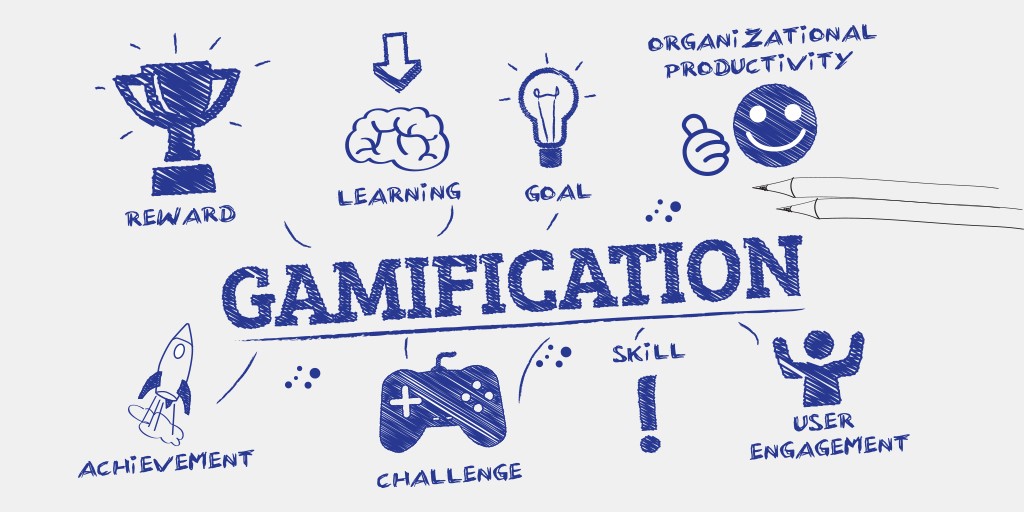
[vc_row][vc_column][vc_column_text]Gamification and games are not the same things – while games are for fun and recreation, gamification refers to an instructional strategy with the aim to increase engagement, motivation, and participation. Gamification integrates game strategies such as point scoring, competition features, rules of play, etc., to an already existing website, enterprise application or an online community. An integral element of any learning or training program, gamification helps to simplify learning and make it more immersive and interactive through active participation and observation. Going further, gamification is more than learning through competition and challenges – it is about bringing about behavioral changes more effectively and ensuring long-term engagement. For learners, to bring about behavioral changes, they need to practice their skills, and this is where the role of gamification assumes importance. Gamification principles include challenges and rewards, competitions, personalization and levels, which prompt people to get hooked and always come back for more. According to a report by Mordor Intelligence the global gamification services market was valued at USD 5.5 billion in 2018. It is estimated to see a CAGR of 30.31% over the forecast period (2019-2024) on the back of an exponential rise in the number of smartphones and mobile devices. Game-based learning when done right, can take training and learning to the next level, from gaining basic knowledge to the application of critical thinking and more accurate decision-making. For best outcomes, organizations must ensure that gamification in enterprise learning goes beyond the fun element and is relevant to the skills of employees that they wish to upgrade.[/vc_column_text][vc_custom_heading text=”Gamification in Enterprise Training” font_container=”tag:h2|font_size:18|text_align:left” google_fonts=”font_family:Lato%3A100%2C100italic%2C300%2C300italic%2Cregular%2Citalic%2C700%2C700italic%2C900%2C900italic|font_style:900%20bold%20regular%3A900%3Anormal” css=”.vc_custom_1681996012583{margin-top: 0px !important;margin-bottom: 0px !important;border-top-width: 0px !important;border-bottom-width: 0px !important;padding-top: 0px !important;padding-bottom: 10px !important;}”][vc_column_text]Gamification training can be of two types: Gamification in a course, implying that it is a one-time event; and gamification in a curriculum, which means that gamification elements are added into the full curriculum.[/vc_column_text][vc_custom_heading text=”While gamification is the way forward in enterprise training, here are some things you need to know before using it to train your workforce and selecting gamification services:” font_container=”tag:h2|font_size:18|text_align:left” google_fonts=”font_family:Lato%3A100%2C100italic%2C300%2C300italic%2Cregular%2Citalic%2C700%2C700italic%2C900%2C900italic|font_style:900%20bold%20regular%3A900%3Anormal” css=”.vc_custom_1555508318456{margin-top: 0px !important;margin-bottom: 0px !important;border-top-width: 0px !important;border-bottom-width: 0px !important;padding-top: 0px !important;padding-bottom: 10px !important;}”][vc_column_text] Gamification is Not a Game: As stated above, gamification is not just a video game at work, rather, it is the use of game mechanics to induce certain behaviors. Humans possess the tendency to alter and influence behavior while playing games, receiving rewards, etc. Gamification harnesses this tendency to influence one’s own thinking and become effective problem-solvers in the real world. Building Empathy: Good gamification practices are not just about good design; rather they focus on encouraging empathy between team players. The main purpose of game-based learning is not to engage learners through games that are over-competitive or manipulative but to encourage empathy and create an experience that helps them to gain a sense of mastery and retain autonomy at work while maintaining their well-being and healthy relationships with their team members. While designing games for your enterprise training, it is important to ask what is in it for your employees. Good gamification implies that each employee is the hero of the game and is never belittled by over-emphasizing peer performance in fierce competitions. Providing an Engaging Experience: Gamification makes learning more meaningful by breaking down concepts into bite-sized chunks or micro-nuggets. In a world of endless diversions and dwindling attention spans, publishers, trainers, and educators can make learning more engaging by designing content in small and very specific nuggets or micro bites. A microlearning nugget is usually within a 3 to 5 minutes window since in this time window learners are more alert, more engaged, and therefore more likely to show interest and retain their learning. Games help to cut training into small sessions, allowing learners to respond positively. Besides, they can be personalized to offer to learn to employees in areas where they are not performing well. Driving Intrinsic Motivation: Research shows that when it comes to performance, employees are more motivated by job satisfaction than high cash rewards. In other words, intrinsic motivation matters more than extrinsic motivation. As mentioned above, gamification is more about influencing human behavior.  It is important to define the rules of the game to ensure that gamification activities meet organizational goals. In 2012, Gartner had predicted that 80% of gamification projects would fail to reach business objectives primarily due to poor design. While implementing gamification in enterprise training, it is important to define and implement the rules to enjoy meaningful enterprise gamification. Changing Organizational Culture: Gamification in enterprise training sets goals for the employees, and these goals can be tied to corporate goals. When employees see their performance in games they know it is objective and fair. So, gamification results in greater transparency, thus, changing the culture and the way performance is viewed and managed. Instead of waiting till end of the year review, employees can see their performance in real-time, allowing them to course-correct, thus, benefiting themselves and the organization. Gaming Versus Traditional Learning: Game-based learning is unique in the sense that it involves a higher level of customization, and participants can learn at their own pace, with ample time for practice and feedback. Learning involves both individual learning and team learning, and an instructor is or can also be present to solve problems that students don’t comprehend. Collaborating with The Team: Since gamification involves a real-world situation, the entire team can collaborate in the learning environment, brainstorm on the possible outcomes and share their ideas to overcome the sales problems. Reducing Chances of Failure in The Real World: Game-based learning resembles the real marketplace, which means that the company benefits by allowing its employees to make and learn from their mistakes in the virtual world, rather than making them in actual situations and costing it dearly in terms of money and reputation. Employees trained extensively through gamification avoid traps and pick up crucial tips and are less likely to fail in the real world. Higher Receptivity to Learning:  Game-based learning is multi-sensory learning which greatly enhances a learner’s ability to grasp and retain concepts. Employees can learn new

Hurix April 20, 2023 No Comments

7 Factors to Consider While Choosing An Online Course Development Partner

[vc_row][vc_column][vc_column_text]The rapid rise of online learning technology in the last decade has created opportunities for higher education institutions to take advantage of a flexible learning environment.  However, to implement this kind of blended learning the right way, a qualified course development service provider is required who can understand your learning goals and work on online course solutions accordingly.  There are several things to consider when you’re looking for a new program development service provider, including top-notch software and the right skills to help you achieve your unique goals and objectives Also Read: Choosing the Right eLearning Content Development Service Provider[/vc_column_text][vc_custom_heading text=”In this blog, we lay out some of the key factors that you need to consider while selecting an online course development service provider for your organization -” font_container=”tag:h2|font_size:18|text_align:left” google_fonts=”font_family:Lato%3A100%2C100italic%2C300%2C300italic%2Cregular%2Citalic%2C700%2C700italic%2C900%2C900italic|font_style:900%20bold%20regular%3A900%3Anormal” css=”.vc_custom_1681980866905{margin-top: 0px !important;margin-bottom: 0px !important;border-top-width: 0px !important;border-bottom-width: 0px !important;padding-top: 0px !important;padding-bottom: 10px !important;}”][vc_column_text]1. Expertise & experience in developing online courses A reputed eLearning course development company should have relevant expertise and experience in developing online courses for higher education institutions. They should have a well-defined strategy with the following elements:  The goal of your overall eLearning initiative and the timeframe in which it is to be implemented A complete outline of the components to be developed Various tools and technologies to be used The frequency of updation of the above components Evaluation criteria A robust implementation plan Such thorough experience in the field allows the vendor to clearly understand your needs and offer the appropriate online learning solution to meet the specific needs of your students. 2. Quality of the course It is critical to pay attention to the educational and professional background of the course designers and their expertise in the subject matter. Additionally, make sure to check the interactivity and engagement level of the course. Features such as gamification, including leaderboards, badges, points, certificates and appropriate tasks/tests after each course, make learning much more effective for higher education students.  3. Ask for recommendations Asking for past clients who are already using the services offered by a course development company you have shortlisted can get you valuable recommendations to help you make an informed decision. Apart from highlighting the key reasons why they chose the said development company, the past users can also offer various other insights in terms of helping you assess the course development service provider’s course portfolio to see if it’s well designed, organized and cohesive.  4. Accommodating different learning styles More and more educational institutions are now embedding UDL or universal design for learning principles into their offerings. Based on the premise that every student learns differently, UDL primarily aims to give each student an equal opportunity to learn and succeed. While some students are visual learners, others prefer auditory or kinesthetic learning methodologies. The online course development partner, therefore, should offer all students with the required tools to effectively navigate their learning process. Some of the other features to look for here include the convenience of taking interactive notes directly on the platform during live lectures or offering students closed captions to allow them to utilize/turn off captions to facilitate their unique learning styles. 5. Willingness to develop sample courses A professional and qualified web-based course development service provider should be willing to collaborate on developing sample projects, without additional costs. Apart from helping you understand their working style, this will also allow you to assess their ability to meet your custom requirements effectively. It is always recommended to go for reputed online course development companies who willingly share/upload various case studies along with examples of their past solutions or your project with custom requirements. This will give you a fair idea of their line of work and allow you to evaluate their approach towards addressing varied learning situations. 6. Choose a vendor that offers both courses & software for learning management  Choosing a service provider that offers both courses and LMS software ensures that your courses are fully compatible with the learning platform. This helps you save a lot of time and effort on course adaptation and fixing mistakes. Further, managing your online courses becomes more effective when you communicate with a single service provider instead of multiple teams as they will have a better understanding of what you and your students need in training. 7. Should follow a comprehensive course development process  Implementing an eLearning project requires a lot of planning and hard work. To streamline the process, you need to make sure your prospective partner follows an organized process for course development.  While there isn’t a single process to follow, it should have a logical progression through different project stages. It is recommended to select someone who follows an approach that makes sense to you and can align with your own team’s approach. Regardless of the methodology, the vendor should use resources that are flexible and adaptable as per the requirement. This is especially important if you’re looking for a partner for recurring projects. Having trust in their capabilities and work process will give you the required confidence to deliver courses smoothly.[/vc_column_text][vc_custom_heading text=”The bottom line” font_container=”tag:h2|font_size:18|text_align:left” google_fonts=”font_family:Lato%3A100%2C100italic%2C300%2C300italic%2Cregular%2Citalic%2C700%2C700italic%2C900%2C900italic|font_style:900%20bold%20regular%3A900%3Anormal” css=”.vc_custom_1620194190937{margin-top: 0px !important;margin-bottom: 0px !important;border-top-width: 0px !important;border-bottom-width: 0px !important;padding-top: 0px !important;padding-bottom: 10px !important;}”][vc_column_text]While there can be multiple ways to run an eLearning project and online courses, it is important to collaborate with a prospective vendor who has a solid plan and appears fully ready and able to implement it.  In the end, the most important aspect of selecting a vendor for online course development is finding someone capable of creating engaging courses for your learners to help them improve their performance and learning outcomes.[/vc_column_text][/vc_column][/vc_row][vc_row][vc_column][vc_column_text] Need to know more about our Products & Services? Drop us a Note. We respect your privacy. We use the information you provide us to send you relevant content about industry trends and our products & services. You may unsubscribe from our list at any time. For more information, check out our Privacy Policy [/vc_column_text][/vc_column][/vc_row]

Hurix April 20, 2023 No Comments

The Importance of Learning Paths in Employee Training

[vc_row][vc_column][vc_column_text]Not every course created has the quality of being a stand-alone one, especially when it comes to employee training and development. Some courses, in essence, are meant to be grouped with others to enhance the overall learning experience. That’s where learner paths or learning paths become relevant. If you are confused about what a learning path is, they are a collection of thoughtfully grouped courses, primed to enable the learners to master a specific program or topic. They are especially useful and crucial for upskilling individuals belonging to the same team or sharing similar responsibilities. Related Read: 6 Pro Tips to Create Great Custom eLearning Paths With learner paths, tutors can pass the control of choice to the learners – making it easier for both parties. To be more precise, there are numerous benefits associated with implementing a learning path in employee training and development. Mentioned below is the importance of learning and development for your consideration. Table of Contents: Top 9 Benefits of Learning Path in Employee Training & Development 1. Brings More Structure 2. Enables Self-Paced Learning 3. Makes it Easier to Define And Pursue Goals 4. Helps in Accelerating L&D Goals 5. Saves Admin Time 6. Promotes Continuous Feedback 7. Makes Learning a Continuous Process 8. Small Bites Are Better for Retention 9. Nurtures a Learning Environment Bottom line  [/vc_column_text][vc_custom_heading text=”Top 9 Benefits of Learning Path in Employee Training & Development” font_container=”tag:h2|font_size:18|text_align:left” google_fonts=”font_family:Lato%3A100%2C100italic%2C300%2C300italic%2Cregular%2Citalic%2C700%2C700italic%2C900%2C900italic|font_style:900%20bold%20regular%3A900%3Anormal” css=”.vc_custom_1681978261145{margin-top: 0px !important;margin-bottom: 0px !important;border-top-width: 0px !important;border-bottom-width: 0px !important;padding-top: 0px !important;padding-bottom: 10px !important;}” el_id=”top”][vc_column_text] 1. Brings More Structure With learner paths, training programs become more structured and sequenced. Although learners can choose the pace and pathways of progression, administrators can control the order in which the courses are assigned and the duration for which a course becomes available. Learning paths for employees can also be implemented to address the needs of multiple learners or teams. Administrators can identify the specific needs of an individual and assign respective courses to only that learner.  2. Enables Self-Paced Learning Employees differ in their abilities to learn, grasp and implement the information they perceive. Without a learning path, they will be forced to stick to a specific pace, making it harder to catch up with the rest. One of the most striking benefits of learner paths is that they make learning self-paced. Learners can choose when, where, and what they want to learn. More precisely, the control of choice shifts from the administrator to the learners. Know More: Pro Tips to Create Custom eLearning Paths 3. Makes it Easier to Define And Pursue Goals One reason why training programs fail is that they are formulated without a goal in sight. Fortunately, learner paths eliminate such inconsistencies and bring more meaning to the learning process with well-defined goals. As these pieces of training become purpose-driven, employees will get a sense of accomplishment and reasons for starting the program in the first place. With instant and visible roadmaps, learners will be motivated to complete the course, enhancing the importance of training, and will have insights into how far they are from reaching their goals. 4. Helps in Accelerating L&D Goals The purpose of employee training is to upskill individuals and align those acquired skills with the organization’s growth and requirements. This can be collectively called the learning and development process, which has the utmost significance for a company’s long-term success. With learner paths, companies can align the courses in such a way that they address the immediate needs of the organization. As several modules collectively contribute to the final goal, employees can quickly implement the skills acquired from each lesson. Know More: Create Personalized Learning Path in Higher Education 5. Saves Admin Time Whether it is an IT employee or an administrator, their time is an invaluable resource. For admin users, utilizing learning paths will help in enrolling a considerable number of learners at the same time and leaving the rest to their comfort and pace of learning. As there will be a well-designed roadmap for reaching the intended goals, learners will be self-sufficient – reducing the burden placed on the administrators. Additionally, when a learner completes a course, they are automatically enrolled in the next, without admin intervention. 6. Promotes Continuous Feedback Training alone won’t help the employees acquire new skills and knowledge. Instead, they must receive continuous and constructive feedback to reassure that they are following the right track. A learner path, coupled with multiple assessments and methods to apply the acquired knowledge, will help both the employee and the organization assess whether the programs are useful from a business perspective. As a learning path covers multiple modules, admins can monitor how each employee engages with each module and tweak the entire program if needed. As feedback is almost immediate, employees will also have the opportunity to correct themselves. Know More: How to Design Learning Path for an Employee Training & Development 7. Makes Learning a Continuous Process Unlike a few decades ago, employees are now more aware of the importance of upskilling and are keen on learning new things. Of course, the “keenness” to learn depends on how interactive and relevant the lessons are to an individual. Additionally, employees tend to prefer organizations that are more enthusiastic about professional development. With learning paths, organizations can continually update their training programs and will have the flexibility to add more modules in between. 8. Small Bites Are Better for Retention Learner paths make it easier to deliver relevant information in an organized manner, throughout a stipulated period. This is especially critical to engage and retain employees as training cannot be performed once and left there. To make the acquired information useful and profitable for the organization, it must be repeatedly engagingly delivered via multiple channels. As learning paths follow bite-sized learning (also known as microlearning), there will be less clutter and lesser cognitive load on the employees. Smaller chunks can also improve retention as learning is more understandable, with a few takeaways and more time to absorb. 9. Nurtures

Hurix April 20, 2023 No Comments

10 Reasons Why You Should Adopt Mobile Learning Apps

[vc_row][vc_column][vc_column_text]Apps have slowly, yet steadily, begun to dominate the world. They are handy, quick, and accessible. And that’s not even the best part. The icing on the cake is that they come with user-friendly interfaces that are easy to navigate. The field of learning has been transformed with the introduction of mobile learning apps. E-learning has evolved, and students now have all the information they need right in the palm of their hands. Businesses can also tap into the potential of mobile apps to improve employee training.[/vc_column_text][vc_custom_heading text=”If you’re still not convinced, here are 10 reasons why you should adopt mobile learning apps.” font_container=”tag:h1|font_size:18|text_align:left” google_fonts=”font_family:Lato%3A100%2C100italic%2C300%2C300italic%2Cregular%2Citalic%2C700%2C700italic%2C900%2C900italic|font_style:900%20bold%20regular%3A900%3Anormal” css=”.vc_custom_1562935202713{margin-top: 0px !important;margin-bottom: 0px !important;border-top-width: 0px !important;border-bottom-width: 0px !important;padding-top: 0px !important;padding-bottom: 10px !important;}”][vc_column_text] 1. Round-the-clock Accessibility One of the greatest benefits of using mobile learning apps is round-the-clock accessibility. Unlike websites, which are best accessed through a laptop or a desktop, a mobile app works on smartphones. And using a smartphone is easier than plugging in a desktop or a PC. When you switch to apps, your employees can access the content therein anytime they want to. This gives them a chance to catch up on the latest developments in their field even as they are commuting to or from work. 2. Possibility of Offline Usage Offline accessibility is another obvious advantage that mobile learning apps have over websites. To get a site to load, your device needs to be connected to the internet. Offline websites don’t exist, but offline apps do. So, your employees and your customers can quickly open the app and take a look at all the offline content even when they’re not connected to the web. Using mobile apps can help even offline users connect with the pool of knowledge you offer. 3. Convenient for Millennials Data shows that people belonging to the age group of 18 to 24 spend around 93.5 hours a month on mobile apps. And with an increasing number of businesses embracing a younger workforce, it only pays to stay with the times. This is why it’s more advantageous for companies to roll out mobile apps that can train their workforce and keep them updated with the newest trends and skills in their field. Talking to them in a language and format they understand will definitely give you better results. 4. Efficient Progress Tracking Most formal training strategies developed by HR teams consist of various modules. Aspects like compliance training, induction, onboarding training, soft skills education, and product sales training are all important. This may seem overwhelming for a new employee, particularly if it’s presented as a website or as a set of physical documents. Mobile learning apps, however, seem more friendly and less threatening. They also provide a clearer perspective of the overall plan and help employees track their progress easily. 5. Easier Sharing of Data E-learning initially involved the use of websites for educating students or employees regarding the various aspects of their course. However, there is one major downside to using websites for learning and training; it restricts the possibility of collaboration. With mobile learning apps, you can break past this barrier and enable your employees to join hands and learn new aspects of the job as a team. Apps allow employees to share their progress and help others on the team learn faster. This fosters a sense of camaraderie and encourages teamwork. 6. Personalized User Engagement Personalization has quickly become one of the most preferred aspects of marketing. Right from emails to notifications, everything is tailored to connect with the end consumer. In a world that relies so much on the importance of personalization, mobile learning apps help businesses keep up with the times. They allow users to set up their preferences right at the start, and they also use this information to offer custom recommendations and updates. Personalization not only improves user experience, but it also increases conversion rates. 7. No Restriction on Content Formats Content is constantly evolving. The online world has long surpassed plain text and moved on to multiple content formats like infographics, podcasts, and videos. Learners also prefer formats that can keep them engaged for longer periods of time. Mobile learning apps are versatile enough to support all of these formats. In fact, it’s possible to break up massive concepts into bite-sized modules using videos and infographics on mobile apps, so your users can learn faster and understand these concepts better. 8. Opportunity to Harness Advanced Mobile Technology Artificial intelligence, Augmented Reality, and other cutting-edge developments in technology translate better on apps than on websites. Naturally, by developing mobile learning apps, you can tap into the potential of these radical technological solutions to improve user experience. E-learning has paved the way for m-learning (or mobile learning), which is far more advanced than its predecessor. Therefore, it works in your favor in terms of keeping up with the times and taking advantage of the opportunity to harness advanced mobile technology. 9. Improved Speed and Shorter Response Times With attention spans growing shorter by the year, it’s very important to use quick and responsive learning techniques. Apps ace this aspect by a significant margin when compared with websites, mainly because they use compressed data that takes much less time to load. The result is shorter response time and greater speed, which is what most (if not all) users prefer. It’s no wonder then that people switch to an app rather than a website for better user experience and faster responses. 10. Future-Proof Training Techniques As of May 2019, there were around 2.2 million apps in the iOS app store and around 2.6 million apps in the Google Play Store. Stats suggest that consumers are expected to download over 258 billion apps in 2022. The trend is clearly going upward. So, why not future-proof your learning and training modules by creating an app for them? By doing so, you can make the radical but essential shift from the push-style mode of training to the pull-style technique, where users can pull and obtain information as they need.[/vc_column_text][vc_custom_heading text=”So, How Do You Get