Hurix April 18, 2023 No Comments

Things to Consider Before Investing in eLearning Development Tools

[vc_row][vc_column][vc_custom_heading text=”Overview” font_container=”tag:h2|font_size:18|text_align:left” google_fonts=”font_family:Lato%3A100%2C100italic%2C300%2C300italic%2Cregular%2Citalic%2C700%2C700italic%2C900%2C900italic|font_style:900%20bold%20regular%3A900%3Anormal” css=”.vc_custom_1565180518736{margin-top: 0px !important;margin-bottom: 0px !important;border-top-width: 0px !important;border-bottom-width: 0px !important;padding-top: 0px !important;padding-bottom: 10px !important;}”][vc_column_text]Online courses are increasingly supplementing traditional instructor-led courses both in educational institutions and business organizations because they help to reduce administrative costs and classroom rentals. Also, they allow learners to proceed at their own pace, set their own schedule and learn anywhere and anytime. These courses, can, therefore, help organizations save money, time and resources when training new recruits, improving compliance or implementing employee skill upgradation programs. However, these savings come at an initial cost – the cost of investing in an eLearning development tool, which is used to develop and implement these online courses; and train staff in course creation and administration. These eLearning development tools make course creation and implementation efficient and user-friendly. It is important to understand your online course requirements and a few things about eLearning development tools, what they are, what they do and how they interact with other programs. Accordingly, you can make an informed choice while selecting an appropriate eLearning development tool for your online courses.[/vc_column_text][vc_custom_heading text=”What is an eLearning development tool?” font_container=”tag:h1|font_size:18|text_align:left” google_fonts=”font_family:Lato%3A100%2C100italic%2C300%2C300italic%2Cregular%2Citalic%2C700%2C700italic%2C900%2C900italic|font_style:900%20bold%20regular%3A900%3Anormal” css=”.vc_custom_1565180623737{margin-top: 0px !important;margin-bottom: 0px !important;border-top-width: 0px !important;border-bottom-width: 0px !important;padding-top: 0px !important;padding-bottom: 10px !important;}”][vc_column_text]Typically, an eLearning development tool is a software program designed to manipulate files and other raw materials and convert them into online courses in specific file formats that can be consumed by end-users using an LMS platform. Some eLearning development tools are difficult to use but are extremely versatile in creating simulations and game elements to make training more immersive and engaging. Then there are other tools that are easy to use, but their use is limited to the display of information. Some eLearning development tools are specifically designed to create online courses and eLearning modules for training and education purposes.[/vc_column_text][vc_custom_heading text=”Things to know before investing in an eLearning development tool” font_container=”tag:h2|font_size:18|text_align:left” google_fonts=”font_family:Lato%3A100%2C100italic%2C300%2C300italic%2Cregular%2Citalic%2C700%2C700italic%2C900%2C900italic|font_style:900%20bold%20regular%3A900%3Anormal” css=”.vc_custom_1565180691071{margin-top: 0px !important;margin-bottom: 0px !important;border-top-width: 0px !important;border-bottom-width: 0px !important;padding-top: 0px !important;padding-bottom: 10px !important;}”][vc_column_text]There are some things you must know before investing in an eLearning development tool. First, what is the course customization that you require within the confines of your training program? Which video elements will help you effectively narrate the story – audio/simulations/animations/graphics? How frequently will the information be updated? Do you require assessment and evaluation features? What file types would work best with your existing computer systems? In what format will the online course files be delivered and is the file type supported by commonly used browsers? File format for course delivery:  Course delivery and file formats are crucial factors to consider while choosing an eLearning development tool. Select a tool that outputs online course modules in file formats that can be read across all major Internet browsers such as Chrome, Firefox, Edge etc., and operating systems such as Windows and MAC. Flash (SWF files) created a revolution when it was first introduced in the use of graphics and interactive elements; however, it suffered a setback thanks to current trends in eLearning systems and gradually lost relevance. In fact, Flash will be outdated next year (2020) and no longer be supported on most web browsers and so it is advisable to avoid course output in this format. HTML5 is now the most popular file type for online course delivery because it supports a range of media types and is also compatible with mobile devices, which are now shaping the eLearning industry and how the viewers are accessing their content. Now it may be that you already have some online courses in Flash. It is therefore important that you select an eLearning development tool that allows for output in HTML5 and/or convert Flash content to HTML5, thus, giving you the mobile-friendly features, you need for easy consumption of your content on smartphones and other device types. Related: Time to Migrate eLearning Courses from Flash to HTML5 Media elements: You can save money by investing in only those features that you need for your online course content development. For example, some content developers may require gamification and animations while for others storytelling using graphics/audio/video/spreadsheets files would suffice. Most eLearning development tools allow you to embed online video content and so you are saved the hassle of uploading and managing your own. However, in order to use it you must have clearly defined course objectives and your training content requirements. Knowing the level of employee interaction, your learning objectives and the features you need to achieve them will help you avoid needless investments. Course Design and Templates: Layout design is equally important when it comes to online content development. A friendly user interface will certainly add to the learner’s experience. Again, knowing your content requirements and user experience will help you choose the right eLearning development tool for your organization. Templates make up the visual component of your online course and can greatly impact the way your trainees and staff view your organization. A development tool offering you a complete template library can help you save costs in developing your own template from scratch. Besides, some tools allow you to customize these templates to position and strengthen your brand. Many eLearning development tools also provide advanced features for storytelling that allow content designers to sync audio and video. Backed by a strong narrative, these features help to achieve the desired learning experience. Cost and Maintenance: Remember, more complex eLearning development tools require more purchase costs and also training and maintenance costs. While making a purchase, study tools by various vendors, the features they offer and the ones you actually need. Make an informed choice to avoid paying for features that are not relevant to your course delivery. Also, use product demos to determine the difficulty level of the tool as this will help you form a more accurate estimate of the time and staff investments you will have to make for its optimum utilization and maintenance. It is also a good idea to research how your course material will be consumed. While some eLearning development tools support mobile device display,


Hurix April 18, 2023 No Comments

Switch to Blended Learning for Better Learning Outcomes

[vc_row][vc_column][vc_column_text]The impact of technology in transforming the classrooms of today has been phenomenal. Instructors are now adopting different teaching methods to fit the learning styles, interests, and expectations of the learners. This is one of the reasons why Blended Learning is becoming the preferred teaching strategy for instructors and learners alike. The rising popularity of the concept is because of the fact that it effectively combines the advantages of traditional instruction mode with online learning methodologies. In this post, we are going to discuss everything you need to know about blended learning and blended learning classrooms.[/vc_column_text][vc_custom_heading text=”1. What is Blended Learning?” font_container=”tag:h1|font_size:18|text_align:left” google_fonts=”font_family:Lato%3A100%2C100italic%2C300%2C300italic%2Cregular%2Citalic%2C700%2C700italic%2C900%2C900italic|font_style:900%20bold%20regular%3A900%3Anormal” css=”.vc_custom_1560516981037{margin-top: 0px !important;margin-bottom: 0px !important;border-top-width: 0px !important;border-bottom-width: 0px !important;padding-top: 0px !important;padding-bottom: 10px !important;}”][vc_column_text]An excellent learning approach, blended learning refers to a combination of offline (traditional learning methodologies, face-to-face learning) and online learning strategies (online quizzes, discussion boards, and other resources) in perfect synchronization with each other. Leveraging technology, educational software, and new learning tools, educators across the world are increasingly blending in-class and online learning strategies giving rise to this interesting model known as Blended Learning. Also known as mixed or hybrid learning, this learning approach can be put to use in various forms. While some organizations prefer to use blended learning as the primary teaching method within the course curriculum, others use this technique only at specific instances. The main focus of the blended learning model is to give learners more freedom in the way that they learn and engage in their education.[/vc_column_text][vc_custom_heading text=”2. What are the different types of blended learning?” font_container=”tag:h2|font_size:18|text_align:left” google_fonts=”font_family:Lato%3A100%2C100italic%2C300%2C300italic%2Cregular%2Citalic%2C700%2C700italic%2C900%2C900italic|font_style:900%20bold%20regular%3A900%3Anormal” css=”.vc_custom_1560512753714{margin-top: 0px !important;margin-bottom: 0px !important;border-top-width: 0px !important;border-bottom-width: 0px !important;padding-top: 0px !important;padding-bottom: 10px !important;}”][vc_column_text]There are 6 main methods of blended learning as discussed below- a) Online Model In this model, an instructor delivers lessons via an online platform using various eLearning resources complemented by periodic face-to-face meets. b) Flex Model In this model, learners are given customized, fluid schedules on an individual basis for online work, along with other course materials. The flex model involves an on-site instructor for teaching the online content while also providing face-to-face support for individual instruction, small-group instruction, as well as group projects. c) Rotation Model In the Rotation Model, students go from one learning activity to another, either in a structured learning session managed by the instructor or online in a self-directed fashion. Examples of this model include labs, learning stations, and the flipped classroom where learners practice the lesson before attending the face-to-face training. d) Self-blend Model In this model, learners include various resources such as videos, webinars, blog content, etc. to enhance their own learning. They may refer to resources available online to augment their content. e) Online Lab This is another popular blended learning model which is entirely digital, with minimal or no instructor interaction. It usually takes place either before, during, or after training. In this model, learners can access content either on their mobile phones (m-Learning), laptops, or other smart devices for better engagement and solid learning. f) Face-to-face learning Model In this model, lessons are delivered using online media by an on-site instructor. It is also sometimes referred to as Instructor Led Training ILT or Classroom Training.[/vc_column_text][vc_custom_heading text=”3. What are the benefits of blended learning for learners and organizations?” font_container=”tag:h2|font_size:18|text_align:left” google_fonts=”font_family:Lato%3A100%2C100italic%2C300%2C300italic%2Cregular%2Citalic%2C700%2C700italic%2C900%2C900italic|font_style:900%20bold%20regular%3A900%3Anormal” css=”.vc_custom_1560512874682{margin-top: 0px !important;margin-bottom: 0px !important;border-top-width: 0px !important;border-bottom-width: 0px !important;padding-top: 0px !important;padding-bottom: 10px !important;}”][vc_column_text]Benefits for learners The approach offers learners flexibility to learn remotely and conveniently at their own pace. Because of its collaborative nature, it allows learners to interact with other fellow participants as well as instructors which is great for networking and social learning. Blended learning classrooms offer learners a more comprehensive understanding of the curriculum/course content due to its blended nature. Benefits for organizations Extremely cost efficient for organizations due to reduced expenses related to face-to-face training including space, travel, and printing material cost. Leads to better learner engagement because of various e-Learning methods used by the organizations such as webinars, online tutorials, and more. Blended learning classrooms result in greater ROI for companies due to cost efficiency. [/vc_column_text][vc_custom_heading text=”4. What are some of the potential drawbacks to the blended learning model?” font_container=”tag:h2|font_size:18|text_align:left” google_fonts=”font_family:Lato%3A100%2C100italic%2C300%2C300italic%2Cregular%2Citalic%2C700%2C700italic%2C900%2C900italic|font_style:900%20bold%20regular%3A900%3Anormal” css=”.vc_custom_1560512920813{margin-top: 0px !important;margin-bottom: 0px !important;border-top-width: 0px !important;border-bottom-width: 0px !important;padding-top: 0px !important;padding-bottom: 10px !important;}”][vc_column_text]Although blended learning classrooms are quite popular in the present educational environment, there are a few pitfalls to the approach as well. Some of these are – The model is not a natural fit for courses which require a more traditional or hands-on learning approach. For such courses, it is difficult to translate the curriculum in an online environment. The tech resources used in blended learning need to be extremely reliable and easy to use by all stakeholders or else the initiative will fail miserably. Another disadvantage of blended learning is a cognitive load for students. If the instructors are new to the blended model, the result might be over delivering the content and educational activities which will impact students negatively. [/vc_column_text][vc_custom_heading text=”5. Why is blended learning effective?” font_container=”tag:h2|font_size:18|text_align:left” google_fonts=”font_family:Lato%3A100%2C100italic%2C300%2C300italic%2Cregular%2Citalic%2C700%2C700italic%2C900%2C900italic|font_style:900%20bold%20regular%3A900%3Anormal” css=”.vc_custom_1560512963116{margin-top: 0px !important;margin-bottom: 0px !important;border-top-width: 0px !important;border-bottom-width: 0px !important;padding-top: 0px !important;padding-bottom: 10px !important;}”][vc_column_text]There are various reasons that make blended learning effective and popular. Some of these are- The approach caters to different learning styles and helps in improving the performance. Offers increased flexibility as it enables anytime anywhere learning. It is an inclusive model that has visual, written, as well as auditory components to cater to every type of learner. It allows the participants to learn at their own pace and their own ability level. The model eliminates the need to physically attend classes thus benefiting students who cannot attend classes at set times every day or week. Having different learning components keeps learners engaged resulting in better outcomes. [/vc_column_text][vc_custom_heading text=”6. How to implement blended learning?” font_container=”tag:h2|font_size:18|text_align:left” google_fonts=”font_family:Lato%3A100%2C100italic%2C300%2C300italic%2Cregular%2Citalic%2C700%2C700italic%2C900%2C900italic|font_style:900%20bold%20regular%3A900%3Anormal” css=”.vc_custom_1560513009898{margin-top: 0px !important;margin-bottom: 0px !important;border-top-width: 0px !important;border-bottom-width: 0px !important;padding-top: 0px !important;padding-bottom: 10px !important;}”][vc_column_text]Wondering how can you implement blended learning? Well, there are quite a few standard ways of incorporating blended learning into learning environments. These include- Video conferences Podcast Web-based courseware Online references Gamification Additionally, if you have a

Hurix April 17, 2023 No Comments

The Best Learning Experience Platforms (LXPs) for Employee Training

[vc_row][vc_column][vc_column_text]Organizations have long been using learning management systems (LMS) to impart employee training but changing training needs necessitated a more robust and diverse learning environment. The learning experience platform (LXP), a natural progression of the LMS is a software designed to provide experiential learning, making the whole experience fun and engaging, and resulting in greater learning outcomes. An LXP combines a wealth of learning assets, both internal and external third-party content and delivers them using AI across all digital touchpoints including the mobile and web. It makes data the focal point of all organizational activities, enabling businesses to manage digital disruptions in the workplace more effectively. LXPs are also a major diversion from traditional methods of delivering L&D as they provide enhanced engagement to learners. They take conventional learning to the next level to deliver deeply personalized learning experience to those that use this platform. Several major organizations have already adopted an LXP to deliver their training. There are several LXP service providers in the market and so choosing the right one can be tricky. Related Read: LMS or Learning Experience Platform (LXP) – What’s Best for your Training Needs[/vc_column_text][vc_custom_heading text=”Here, in this article, we discuss the best LXP solutions for employee training.” font_container=”tag:h1|font_size:18|text_align:left” google_fonts=”font_family:Lato%3A100%2C100italic%2C300%2C300italic%2Cregular%2Citalic%2C700%2C700italic%2C900%2C900italic|font_style:900%20bold%20regular%3A900%3Anormal” css=”.vc_custom_1595426171611{margin-top: 0px !important;margin-bottom: 0px !important;border-top-width: 0px !important;border-bottom-width: 0px !important;padding-top: 0px !important;padding-bottom: 10px !important;}”][vc_column_text] 1. Degreed The owner company positions its LXP as ‘The Lifelong Learning Platform’. Organizations can use it to discover, develop and measure their organizational capabilities, as also build and certify employee skillsets. 2. Valamis This LXP specializes in providing on-demand training to the medical and space travel industries. Businesses can leverage its capabilities to provide inter-generational learning, identify potential skill gaps, and equip the L&D teams to create informed strategies. 3. Edcast This AI-driven cloud-based LXP enables companies to train employees on industry-driven skills. Besides, they can also provide their customers, partners and developers with anytime, anywhere access to learning materials and course content. 4. Pathgather This learning experience platform is designed to integrate together all the complex elements of corporate training. It also includes social learning elements, allowing learners to take discussions to a larger community. Pathgather can also integrate with existing LMS, HRIS, LRS and HR systems. 5. Cornerstone This integrated talent management system has tools to enhance various business functions such as recruitment, learning, performance and HR functions. Companies can use the LXP side of the software to brand their training to increase familiarity and add to the comfort level of the employees. 6. Bridge This LXP is an integrated solution for training on performance management, learning management, engagement measurement and career development. Its various communication and collaboration tools enable remote employees to connect beyond boundaries. Built on an industry-leading platform, Bridge provides all performance management tools such as performance reviews, goals tracking, manager/employee one-on-one, planning tools, employee engagement analytics, and surveys. 7. 360Learning This platform offers simple and user-friendly tools and features to create and improve courses. It is ideal for a range of trainings such as onboarding new employees, training sales teams on a new product, or leadership training. 8. Axonify This LXP is ideal for training frontline employees and bringing about the required behavioral change to make a meaningful impact on the business. It provides an entertaining and personalized educational experience that has employees coming back to train again. The high engagement can be attributed to its AI-powered platform that offers lots of opportunities to reinforce important concepts encapsulated in the form of bite-sized microlearning content and other modern techniques. 9. Coursera for Business This unmatched technology driven LXP is another powerful enterprise learning solution providing a range of content options to meet business challenges. Some of its powerful features include curated content from over 170 top universities, and easy-to-use mobile platform, centralized program management and progress tracking tools, and certifications. 10. EdApp This microlearning-based LXP is integrated with authoring tool, reward and analytics, and delivery app to provide a seamless experience on both mobile and the web. EdApp includes features such as gamification, spaced repetition, and push notifications to make learning fun, interactive and engaging, and at the same time, deliver simple and smart workplace learning. 11. Rallyware This LXP is ideal for businesses with a vast and diversified workforce. It delivers the right training activity to the right audience, at the right time. Supporting over 20 languages, the platform leverages its proprietary algorithms to connect workforce performance data with business-specific experience. 12. NovoEd’s This collaborative LXP platform enables organizations to create, design and deliver experiential learning. Companies rely on its algorithms and high-value capabilities to provide training, mentorship and group collaboration. NovoEd’s proven approach to learning and development effectively connects mentors, leaders, and diverse group of learners to deliver high-impact training, unlock collective knowledge and achieve measurable outcomes. 13. OpenSesame With its comprehensive range of eLearning courses, this LXP is the platform of choice for publishers worldwide supporting them every step of the way from mapping their core competencies, to finding courses, to improving their L&D programs. The software is easy to use and administer online courses. 14. Inkling This experiential LXP is designed to provide interactive and intuitive training that not only engages the employees but also ensures improved learning outcomes and long-term retention. It also has a searchable reference library that helps the employees at their moment of need. Content is easy to create, store, and maintain, ensuring employees have access to information anywhere and anytime, and on the device of their choice. 15. Udemy for Business The LXP empowers companies to remain competitive in the ever-evolving workplace by offering relevant and on-demand content to meet their business needs. It contains a massive library of 3,000+ top rated courses taught by 1,000+ of the world’s leading experts, on topics ranging from development and IT to leadership, marketing, design and stress management. Companies can also host and distribute their own proprietary content. Suggested Reads: How to Leverage your LMS to Create a Blended Learning Environment How to Enhance Your Existing Corporate Training Programs Top eLearning Development

Hurix April 17, 2023 No Comments

Top 8 Factors to Consider During eLearning Content Development

[vc_row][vc_column][vc_column_text]In the wake of the COVID pandemic, it has become evident that learning cannot be restricted to a classroom environment. Professionals need to grow and reach bigger milestones even if they are working remotely and adjusting to a new normal. This is the reason why many organizations have started using eLearning platforms, as it is one of the most effective and engaging mediums to teach and train employees. Such platforms have long been a training tool for the corporate sector because of their flexibility, scalability, and cost-effectiveness. In this blog, we will talk about the factors to be considered during eLearning content development. Table of Contents: What to Consider While Developing Online Training Courses To 8 Factors to Consider During E-learning Content Development 1. Learning Objectives 2. Target Audience 3. Business Goals of the Course 4. Device Compatibility 5. Use of Interactivities And Real Life Scenarios 6. Self-paced Learning 7. Accessible Courses 8. Evaluation of the Course Conclusion [/vc_column_text][vc_custom_heading text=”What to Consider While Developing Online Training Courses” font_container=”tag:h2|font_size:18|text_align:left” google_fonts=”font_family:Lato%3A100%2C100italic%2C300%2C300italic%2Cregular%2Citalic%2C700%2C700italic%2C900%2C900italic|font_style:900%20bold%20regular%3A900%3Anormal” css=”.vc_custom_1681719053079{margin-top: 0px !important;margin-bottom: 0px !important;border-top-width: 0px !important;border-bottom-width: 0px !important;padding-top: 0px !important;padding-bottom: 10px !important;}” el_id=”what”][vc_column_text]In order to create engaging, interactive, and learner-centric training modules for employees, you need to consider the following factors: Learning objectives Target audience Business goals of the training program Device compatibility Use of interactivities and real-life scenarios Self-paced learning Accessible courses Evaluation of the course Top 8 Factors to Consider During E-learning Content Development  1. Learning Objectives You must be aware of the objectives of the training program– what competency is to be acquired by the learners after taking the course. For example, is the course going to deliver compliance training to the employees or train them on some new upgradation in their ERP or software? Once the learning objectives are finalized, it’s easy to create relevant content. 2. Target Audience It is essential to define the target audience well before developing an eLearning course as it will give you a clear picture of what to include in the course module and what to ignore. You need to analyze the learning content and the profiles of the people you are targeting. The following elements need to be known about the target audience: Education Level – The education of employees does matter, for obvious reasons. A Graduate employee will have a completely different level of understanding as compared to an employee who has passed high school. So, you need to take into account the education level of different employees to make the course more learner-friendly. Age of Learners – A millennial might prefer simulations and gaming in learning, while Gen X and Gen Y learners might prefer text-based content. Hence, different learning styles will work for different age groups. Prior Experience with eLearning  – Those who have prior experience with eLearning might not be as excited as those who are exploring eLearning for the first time. This should be considered while designing the course. You need to keep the training module interactive so as to keep all the learners equally engaged. Learner Preferences  – Not all employees have the same taste for learning. Hence, it is important to include different content types like visual, kinesthetic, and audio. A right balance of all content types will make the course fresh and interesting. Know More: Best Content Development Techniques for eLearning Courses  3. Business Goals of the Course Knowing the business goals of the course beforehand will help you save time and cost. For example, if an organization wants to develop the selling skills of its sales workforce, it would be best to develop a course addressing that need.   4. Device Compatibility All the features and interactivities of eLearning courses might not be compatible with all devices. So, before developing any course content, it is best to analyze device compatibility as some companies have the “BYOD” policy where employees bring their own devices to work. Making an eLearning module mobile compatible makes it more attractive for consumption, as the employees can access it whenever they want by the virtue of ubiquitous learning. Know More: Choosing the Right eLearning Content Development Service Provider 5. Use of Interactivities And Real Life Scenarios If an eLearning program has to be effective, it has to be engaging. Using various kinds of interactivities in eLearning content can help learners remain interested and engaged with the course, since it takes out the monotony of one-way communication. Using real life scenarios with cognitive theories will help learners to associate new information with familiar situations or facts, and improve the quality of the knowledge they receive. Know More: Top Tips to Design, Develop and Deliver e-Learning Content! 6. Self-paced Learning Self-paced learning is an approach that can accommodate different kinds of learners to define their personal learning paths and ensure that learning objectives are fulfilled and the learners do not feel overwhelmed at any point.  Using this approach, you can make eLearning easy with the help of webinars, facilitators, voice chat, chats, video conferencing, asynchronous and on-line tutoring, etc. These techniques establish important links between instructor-led training and eLearning, and provide learners the convenience of learning at their own pace – when and where needed, based on their individual needs and interests. Know More: 9 Reasons Why Custom eLearning Solutions Are Better Than Off-the-Shelf Courses 7. Accessible Courses Do consider employees with physical disabilities while developing courses for eLearning. For example, not using certain colors on the screen will help employees with color blindness. Such minor factors, when considered, will help in creating more accessible courses. Also, use simple language, break up the modules into short, bite-sized chunks, and make it accessible and easy to remember, anytime and anywhere. 8. Evaluation of the Course It is not enough to create an eLearning course and be done with it. You need to evaluate the effectiveness of the course. It can be done with the help of quizzes, tests, and by gauging employee behavior or response. So, make sure that you have an evaluation and feedback mechanism ingrained in

Hurix April 17, 2023 No Comments

9 Ways to Create Highly Effective Learning Videos

[vc_row][vc_column][vc_column_text]Video-based learning is not an unknown concept. It has endorsements from various big companies such as Microsoft and IBM. Several research giants like Bersin, Gartner, LinkedIn, and Forrester recommend it. In fact, the method has full support for the learning and development industry. A study released by LinkedIn in 2017 says: “80% of L&D pros agree that developing employees is top-of-mind for the executive team. Yet L&D pros are challenged with limited budgets, small teams, and a gap in demonstrating return on investment (ROI). To tackle these challenges, L&D must demonstrate business impact.”  The study also reveals that organizations are more inclined towards training their employees so much so that for 69% of businesses, talent is the highest priority. Another report by CGS revealed that video-based learning is one of the top methods for effective learning. Creating learning videos or micro-learning videos is a blessing in disguise. It takes less time, money, and resources. In turn, it gives you high engagement and highly trained employees. In this article, we will explore the different verticals of video-based learning. Following this guide will help you in creating engaging, interactive videos.[/vc_column_text][vc_custom_heading text=”Why Video-Based Learning?” font_container=”tag:h1|font_size:18|text_align:left” google_fonts=”font_family:Lato%3A100%2C100italic%2C300%2C300italic%2Cregular%2Citalic%2C700%2C700italic%2C900%2C900italic|font_style:900%20bold%20regular%3A900%3Anormal” css=”.vc_custom_1561117761543{margin-top: 0px !important;margin-bottom: 0px !important;border-top-width: 0px !important;border-bottom-width: 0px !important;padding-top: 0px !important;padding-bottom: 10px !important;}”][vc_column_text]We prefer visuals more than spoken or written words simply because we are wired that way. We can tell the story behind a picture after glancing at it for even 10 seconds. Even Wikipedia says that ‘A picture is worth a thousand words.’ Similarly, videos have the power to deliver information more efficiently than other learning platforms. A video can interact with the audience and engage them. But, how can video-based learning improve the performance of your employees? Due to the live demonstration, your employees will be able to learn more in less time. With a better understanding of several work-related topics, implementation and productivity of the employees will improve. You can create information-intensive, thoughtful videos with the practical implementation of the concepts. This cuts down on the time needed for learning and ends up improving the attention span of the employee. For instance, knowledge retention is more when the employees can watch and learn how to respond to Facebook queries than read about it. If you analyze this report by Gallup, you will realise that workplace productivity is poor across various geographies. 85% of professionals or employees in the workforce are not engaged. They are not actively participating in work. To change that situation, here’s what you can do.[/vc_column_text][vc_custom_heading text=”How to Create Employee Training Videos?” font_container=”tag:h2|font_size:18|text_align:left” google_fonts=”font_family:Lato%3A100%2C100italic%2C300%2C300italic%2Cregular%2Citalic%2C700%2C700italic%2C900%2C900italic|font_style:900%20bold%20regular%3A900%3Anormal” css=”.vc_custom_1561117863763{margin-top: 0px !important;margin-bottom: 0px !important;border-top-width: 0px !important;border-bottom-width: 0px !important;padding-top: 0px !important;padding-bottom: 10px !important;}”][vc_column_text]LinkedIn says that it is possible to retain 94% of your employees if you invest in their growth and career. Thankfully, video-based learning is an effective medium to encourage employee growth and learning. Let’s analyze how you can create engaging learning videos for your employees. Make Basic Information Easily Available Whenever a new hire joins your company, orientation gives them an overview of your culture. But, is this orientation enough to explain to the employee how to go about work tasks? It isn’t! Most of the employees observe other employees and pick up on cues. They form their pattern to complete tasks and achieve reports and nobody in the organization will notice until the employee accidentally does something wrong. Here, video-based learning can be a life-saver. You can create short videos to educate your new hires about working. It can, in fact, become a knowledge base for the organization. For instance, a new writer should be able to understand the basics, such as proofreading guidelines. Explain the Working of Product or Service Of course, all of your employees know how your product or service works. But, are they capable enough of explaining it to your users? If a potential customer comes and asks questions to your employees about a service, would they be able to answer? If not, then you definitely need a full end-to-end description video of your products and services. Note: All the above pointers were more dedicated to getting the employees acquainted towards the company structure. Following tips will focus on employees’ personal growth, which is aligned with company growth.  Include Compliance Training Compliance indicates the regulatory guidelines of various departments. It is imperative to note that these guidelines don’t necessarily mean the company structure of executing tasks. There are universal rules and guidelines for every department. This helps employees stay compliant even when they are not working for you. This knowledge is for a lifetime. Related: 7 Modules Your Compliance Training Resources Must Include Knowledge Captured Through Meetings Many organizations like to follow a hybrid approach. They organize educational training sessions and then later create videos based on this session. Or the session is delivered through an engaging video. This video is available in the knowledge base of the company for employees to revise or review later. Utilize Micro-learning Micro-learning is an important concept. These are very short videos delivering only relevant information in a few minutes. Generally, micro-learning includes a video series which contains a separate video for every topic contrary to a large 1-hour video for the full subject. Why is this structure famous? Because shorter videos are easier to watch and retain. But, remember, these videos are highly focused and sometimes won’t even have a voice-over. For example, if you have to explain to your content writers how to post content on WordPress, you can create a video without a voice. The employees can watch and follow. Related: How to Implement Microlearning in Corporate Training Remember, Short Attention Span Every person can face concentration issues when your video is long and explains a monotonous topic. You can address this issue by making the video more engaging. Ask questions in between. Keep the tone conversational. Occasionally crack a joke. Use appealing graphics. Use example-based learning in the video. Remove the Monotony  Don’t make all the videos on one theme. Vary your theme, and structure, and adopt a combination of everything. Sometimes use micro-learning videos, other times, just go for

Hurix April 17, 2023 No Comments

5 Effective Gamification Strategy Tips & Techniques at Work for Enthralling Engagement

[vc_row][vc_column][vc_column_text] What is gamification? Gamification is the application of game design principles & mechanics to non-game contexts, such as education, business, or healthcare. It involves using game elements, such as points, badges, leaderboards, challenges, and rewards, to motivate and engage people in activities that are not inherently enjoyable or fun. Understanding Gamification at Work Gamification at work is today an integral part of corporate training and companies are pursuing it using various methods. For example: Points and badges for completing tasks or achieving certain milestones. Leaderboards show how learners are doing relative to one another, providing a sense of competition and motivation to do well. Quests to structure learning around specific goals or challenges, and learners can be rewarded for completing them. Virtual rewards like trophies or virtual currency motivate learners and provide a sense of accomplishment. Game-based learning uses actual games to teach concepts or skills. Adaptive learning uses algorithms to tailor the learning experience to the individual learner, based on their strengths and weaknesses. When done right, it makes training more successful as it makes learning more fun, more engaging, more immersive, and more practical. Besides, it also provides a safe environment for learners to face challenges that they would face in real-life situations. Gamification at work makes learning difficult concepts easy and fun by allowing learners to exercise their skills in virtual settings before practicing them in real-time situations. So why should you adopt gamification at work? Ask your employees what is it that motivates them the most and chances are that they will say rewards and recognition. It stands to reason that motivation must be part of any training, and gamification helps to achieve just that.  Besides, gamification also stimulates collaboration and in the long-term brings out required behavioral change and improves performance. Related Read – 11 Gamification Benefits for Employees at the Workplace To apply game mechanics to enterprise settings, it is important to first design game-based concepts and maps them to the learning and gamification objectives. It is equally important to create learning portals that integrate the best of microlearning techniques, social learning, and customizable learning paths. The Gamification 2020 report by Gartner makes some interesting predictions on gamification and the impact it will have on the following factors: The design of employee performance Emergence of customer engagement platforms Innovation Gamification of personal development Globalization of higher education For gamification to have the required impact, it should be able to capture and retain learners’ attention, challenge, engage and entertain them, provide a compelling narrative, clearly set the rules and goals of the game, set tasks that are achievable, and teach and challenge them to evolve to the next level. Successful gamification at work, therefore, has to meet all these aspects. From the time it was viewed with suspicion, to becoming an integral element of a learning strategy, gamification has traversed a long journey. Today, organizations have realized its potential, and gamification at work has become the new buzzword in corporate training. Related: How to Setup Effective Game-Based Learning for Enterprises What is a gamification strategy? A gamification strategy is a planned approach to implementing gamification techniques to achieve specific goals. It involves identifying the target audience, defining the objectives, selecting the appropriate game mechanics, designing the user experience, and measuring the outcomes. What is the value of applying gamification strategies? The value of applying gamification strategies lies in their ability to enhance engagement, motivation, and performance. By incorporating game elements into the workplace, employees are more likely to enjoy their work, feel more motivated to perform well, and achieve better results. Gamification can also increase learning retention, boost productivity, foster collaboration, and improve employee satisfaction and loyalty. Additionally, gamification can provide valuable data and insights into employee behavior and performance, which can be used to inform business decisions and improve operations.[/vc_column_text][vc_custom_heading text=”Here we look at 5 gamification at work strategies which businesses can implement to achieve their training goals.” font_container=”tag:h2|font_size:18|text_align:left” google_fonts=”font_family:Lato%3A100%2C100italic%2C300%2C300italic%2Cregular%2Citalic%2C700%2C700italic%2C900%2C900italic|font_style:900%20bold%20regular%3A900%3Anormal” css=”.vc_custom_1642606590132{margin-top: 0px !important;margin-bottom: 0px !important;border-top-width: 0px !important;border-bottom-width: 0px !important;padding-top: 0px !important;padding-bottom: 10px !important;}”][vc_custom_heading text=”1. Opportunities to Learn in Virtual/Simulated Environment” font_container=”tag:h3|font_size:18|text_align:left” google_fonts=”font_family:Lato%3A100%2C100italic%2C300%2C300italic%2Cregular%2Citalic%2C700%2C700italic%2C900%2C900italic|font_style:900%20bold%20regular%3A900%3Anormal” css=”.vc_custom_1678707531321{margin-top: 0px !important;margin-bottom: 0px !important;border-top-width: 0px !important;border-bottom-width: 0px !important;padding-top: 0px !important;padding-bottom: 10px !important;}”][vc_column_text]Any mistake in real-time situations can cost businesses dear not only in terms of money but also reputation, both of which can have far-reaching consequences. By incorporating task-based simulations in your training, you can enable learners to hone their skills and find solutions to problems that they would encounter in the real world. Employees trained extensively through gamification avoid traps and pick up crucial tips and are less likely to fail in the real world. For example, your employees can hone their skills through an animated game. They can control the movements and actions of the animated characters, with the aim to develop some competitive skills. These simulations should mirror real business challenges, have an element of competitive challenge, use images and data to enhance the learner experience, and incorporate data and reporting for feedback. Related: Things You Must Consider Before Selecting an eLearning Company[/vc_column_text][vc_custom_heading text=”2. Opportunities for Collaboration” font_container=”tag:h3|font_size:18|text_align:left” google_fonts=”font_family:Lato%3A100%2C100italic%2C300%2C300italic%2Cregular%2Citalic%2C700%2C700italic%2C900%2C900italic|font_style:900%20bold%20regular%3A900%3Anormal” css=”.vc_custom_1678707541600{margin-top: 0px !important;margin-bottom: 0px !important;border-top-width: 0px !important;border-bottom-width: 0px !important;padding-top: 0px !important;padding-bottom: 10px !important;}”][vc_column_text]Gamification at work not only fosters competition but also aims to create opportunities for collaboration. Take the example of a sales team whose members generally do not work together. Each member of the team usually follows their own leads and closes deals. With gamification, organizations can provide a means for their sales personnel to combine their skills and function as one unit. Games can include team-oriented contests that involve accumulating the points of every member, thus, putting pressure on each individual to improve their performance and constructively contribute to the team. Sharing challenges and victories add excitement around the game and bring the players closer, leading to more collaborative efforts between them. Related: Top 10 Advantages of Game-Based Learning[/vc_column_text][vc_custom_heading text=”3. Address Short Attention Spans” font_container=”tag:h3|font_size:18|text_align:left” google_fonts=”font_family:Lato%3A100%2C100italic%2C300%2C300italic%2Cregular%2Citalic%2C700%2C700italic%2C900%2C900italic|font_style:900%20bold%20regular%3A900%3Anormal” css=”.vc_custom_1629798199026{margin-top: 0px !important;margin-bottom: 0px !important;border-top-width: 0px !important;border-bottom-width: 0px !important;padding-top: 0px !important;padding-bottom: 10px !important;}”][vc_column_text]Gamification makes learning more meaningful by breaking

Hurix April 17, 2023 No Comments

7 Highly Effective Tips on Technical SEO

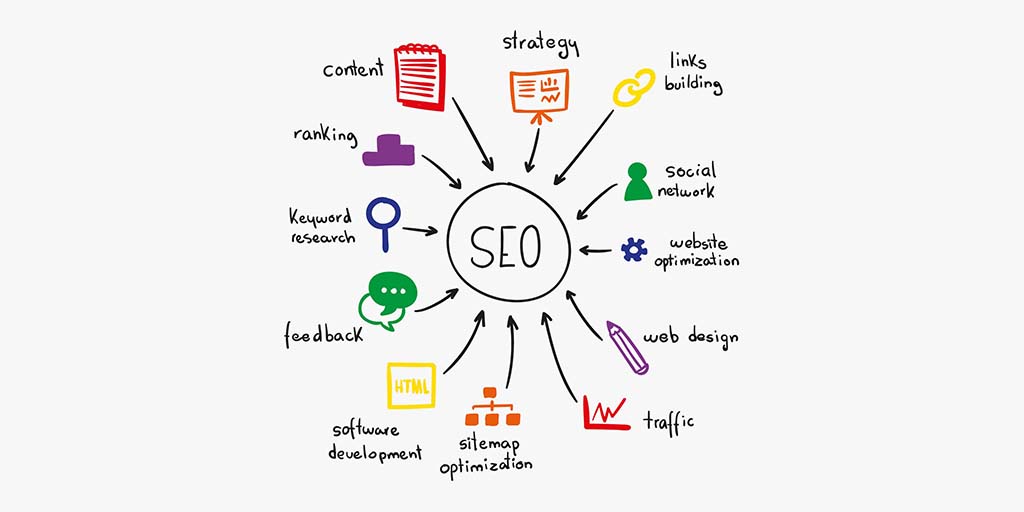
[vc_row][vc_column][vc_column_text]Tom sat up straight in his chair, eyes gleaming as he looked at the calendar. Good Friday! He could feel the Monday blues fading away. Put in 2 days of leave and get 5 days off. “This time it’s happening”, he thought. He could barely sit still as he quickly typed in Google, ‘where to go for a 5 day solo trip’. Within a matter of seconds, he was on a blog aptly titled ‘Top 10 destinations for a solo trip’. The blog transported him into a different world as he took in the sights of the pyramids of Egypt, the Moai statues of Easter Island and the Eiffel Tower of Paris. Something caught his eye. He shook himself out of his dream world and read, ‘10 money saving hacks for solo travellers’. Now, who doesn’t want to know that! Skimming through this article, he saw another title, ‘Download these travel apps for a great solo travelling experience’. Of course he had to know about these apps. This website was a tome of information for solo travellers! Jumping from one link to the next, he finally landed on a page offering him a complete package. The services ranged from advising on selecting a destination and planning the itinerary to providing a list of foods and drinks to try and events to attend. Tom soon realised this is not just a blog, it’s Travel The World website- a popular travel services startup. His face beaming, he saw his year old dream turning into a reality as he clicked on the button requesting a call back from a travel advisor. 5 days later, Tom was sunbathing on the beaches of Bali, seemingly without a care in the world.[/vc_column_text][vc_custom_heading text=”SEO- The Content Marketing Building Block” font_container=”tag:h1|font_size:18|text_align:left” google_fonts=”font_family:Lato%3A100%2C100italic%2C300%2C300italic%2Cregular%2Citalic%2C700%2C700italic%2C900%2C900italic|font_style:900%20bold%20regular%3A900%3Anormal” css=”.vc_custom_1560938792262{margin-top: 0px !important;margin-bottom: 0px !important;border-top-width: 0px !important;border-bottom-width: 0px !important;padding-top: 0px !important;padding-bottom: 10px !important;}”][vc_column_text]Moral of the story? When you get a long weekend, head to Bali. Also, a few well-written blogs can generate a lead. Simple right? Is it? How did Tom land on the blog? That is where the magic or in marketing parlance, his “buyer’s journey” started. The answer as you know is SEO (Search Engine Optimization). The travel services brand’s website and blog were optimised and it ranked high in Google search engine result pages (SERPs) and triggered Tom to click on it. Also Read: How Do You Blend User Experience in SEO Writing? One can go as far as to call SEO the first building block of a robust content marketing strategy. Through it, your website and all of its pages appease and appeal to the Gods of Search Engines. If done correctly, they bestow a high rank on your web pages when somebody searches for a related keyword. How do you appease the Gods? Through Unique content Good quality content Optimizing the website for seamless crawling by search engine spiders Much has been written about creating great and unique content. Let’s focus on the third point. That is Technical SEO.[/vc_column_text][vc_custom_heading text=”What is Technical SEO?” font_container=”tag:h2|font_size:18|text_align:left” google_fonts=”font_family:Lato%3A100%2C100italic%2C300%2C300italic%2Cregular%2Citalic%2C700%2C700italic%2C900%2C900italic|font_style:900%20bold%20regular%3A900%3Anormal” css=”.vc_custom_1579690655689{margin-top: 0px !important;margin-bottom: 0px !important;border-top-width: 0px !important;border-bottom-width: 0px !important;padding-top: 0px !important;padding-bottom: 10px !important;}”][vc_column_text]In SEO parlance, it’s optimizing your website and server to enable search engine spiders to crawl and index your site more effectively. In simple language, change certain technical aspects of your website like design, link building, speed, etc. so that search engine bots can easily find and record your site and note it as a “valuable” site for the readers. More the value, the higher the search ranking. Go through the below tips curated by Hurix Analytics team to have a fully technically optimized website[/vc_column_text][vc_custom_heading text=”1. Use Shallow Link Structures” font_container=”tag:h3|font_size:16|text_align:left” google_fonts=”font_family:Lato%3A100%2C100italic%2C300%2C300italic%2Cregular%2Citalic%2C700%2C700italic%2C900%2C900italic|font_style:900%20bold%20regular%3A900%3Anormal” css=”.vc_custom_1560938817382{margin-top: 0px !important;margin-bottom: 0px !important;border-top-width: 0px !important;border-bottom-width: 0px !important;padding-top: 0px !important;padding-bottom: 10px !important;}”][vc_column_text]Not every page on your site will provide the same amount and level of valuable content. Some parts of your website will offer more valuable information than the others. Such pages should be easily accessible. The link distance or the number of link clicks required to get to such pages from other pages should be low. This is known as building shallow link structures. Quick Tip: The content should be valuable in terms of matching the search intent and provide the required information or data to the reader. This will reduce bounce rate and increase traffic. [/vc_column_text][vc_custom_heading text=”2. Use Canonical Tags for Duplicate Content” font_container=”tag:h3|font_size:16|text_align:left” google_fonts=”font_family:Lato%3A100%2C100italic%2C300%2C300italic%2Cregular%2Citalic%2C700%2C700italic%2C900%2C900italic|font_style:900%20bold%20regular%3A900%3Anormal” css=”.vc_custom_1560938824534{margin-top: 0px !important;margin-bottom: 0px !important;border-top-width: 0px !important;border-bottom-width: 0px !important;padding-top: 0px !important;padding-bottom: 10px !important;}”][vc_column_text]Some pages on your website may have the same content. For example http://example.com/best-digital-marketing-agency http://example.com/articles/best-digital-marketing-agency Both of these pages have 100% identical content but both rest in different sections and hence have different URLs. The issue here is when the search engine crawls through your website, which URL should it show in the results? Here is where the canonical tag comes into the picture. Pick the URL you want to rank. This will be the canonical page. Go to the other page and add the tag there as <link rel=”canonical” href=”http://example.com/best-digital-marketing-agency” />. This tells the search engines which is the master page or the original page of that content and it will rank that particular page in the search results. Quick Tip: Self reference the master page- use canonical tag for the master page also. This is a good way to reduce confusion later. [/vc_column_text][vc_custom_heading text=”3. Mobile-Friendly and Responsive Website” font_container=”tag:h3|font_size:16|text_align:left” google_fonts=”font_family:Lato%3A100%2C100italic%2C300%2C300italic%2Cregular%2Citalic%2C700%2C700italic%2C900%2C900italic|font_style:900%20bold%20regular%3A900%3Anormal” css=”.vc_custom_1560938834029{margin-top: 0px !important;margin-bottom: 0px !important;border-top-width: 0px !important;border-bottom-width: 0px !important;padding-top: 0px !important;padding-bottom: 10px !important;}”][vc_column_text]In 2018, mobile phones accounted for more than 50% of worldwide website traffic. Even B2B businesses saw a high volume of mobile visits. The importance of a mobile-friendly site cannot be overstated. For your online presence, your website should be designed for mobile screens. In general, it’s a good idea to have a responsive website that works across any screen type and size.[/vc_column_text][vc_custom_heading text=”4. Website Performance- Loading Speed and Bounce Rate” font_container=”tag:h3|font_size:16|text_align:left” google_fonts=”font_family:Lato%3A100%2C100italic%2C300%2C300italic%2Cregular%2Citalic%2C700%2C700italic%2C900%2C900italic|font_style:900%20bold%20regular%3A900%3Anormal” css=”.vc_custom_1560940052824{margin-top: 0px !important;margin-bottom: 0px !important;border-top-width: 0px !important;border-bottom-width: 0px !important;padding-top: 0px !important;padding-bottom: 10px !important;}”][vc_column_text]Fast loading websites are rewarded by the search engines. Optimize your website in

Hurix April 17, 2023 No Comments

7 Ways to Improve Your Google E-A-T Rating

[vc_row][vc_column][vc_column_text]Is your website ranking fluctuating? Have you recently experienced a major dip in your traffic? These changes could possibly be due to: Expertise Authoritativeness Trustworthiness [/vc_column_text][vc_custom_heading text=”E-A-T!” font_container=”tag:h2|font_size:18|text_align:left” google_fonts=”font_family:Lato%3A100%2C100italic%2C300%2C300italic%2Cregular%2Citalic%2C700%2C700italic%2C900%2C900italic|font_style:900%20bold%20regular%3A900%3Anormal” css=”.vc_custom_1630409270875{margin-top: 0px !important;margin-bottom: 0px !important;border-top-width: 0px !important;border-bottom-width: 0px !important;padding-top: 0px !important;padding-bottom: 10px !important;}”][vc_column_text]In 2018, E-A-T emerged as one of the biggest algorithm shifts seen by Google in a year. The search engine giant laid emphasis on E-A-T, which captured the attention of content marketers. Why are we highlighting it now? For a very simple reason— Usually, after an algo update, most SEO writers rush to follow it but later forget or deprioritise it. But that’s not us. We remember and follow through. E-A-T is not overnight magic. You have to nurture your website and build its expertise, authority and trustworthiness. It’s a set of standards that you must constantly follow to rank at the top in SERP. And that’s why we are here. We, at Hurix Digital aim to make a constant effort for a page to rank better. Before we move on, let’s first understand what can safeguard your website from any major changes in Algo. Hear it from Google’s Danny Sullivan-[/vc_column_text][vc_column_text] Want to do better with a broad change? Have great content. Yeah, the same boring answer. But if you want a better idea of what we consider great content, read our raters guidelines. That’s like almost 200 pages of things to consider: https://t.co/pO3AHxFVrV — Danny Sullivan (@dannysullivan) August 1, 2018 Better content means a higher ranking. So, first things first— Make sure your content is strong, relevant, enriched with high-quality information. This will help you rank better in the search engine. Here are some tips for you to follow[/vc_column_text][vc_custom_heading text=”1. Create Original Content” font_container=”tag:h3|font_size:18|text_align:left” google_fonts=”font_family:Lato%3A100%2C100italic%2C300%2C300italic%2Cregular%2Citalic%2C700%2C700italic%2C900%2C900italic|font_style:900%20bold%20regular%3A900%3Anormal” css=”.vc_custom_1630409298501{margin-top: 0px !important;margin-bottom: 0px !important;border-top-width: 0px !important;border-bottom-width: 0px !important;padding-top: 0px !important;padding-bottom: 10px !important;}”][vc_column_text]In every aspect of SEO, Content is the King. Original content still reigns supreme in terms of ranking high on Google. Danny Sullivan has touted fresh and high-quality content for years now. It is an important practice to maintain or improve rankings. When you publish fresh, informative & high-quality content, you exhibit all 3 aspects- Expert, Authority and Trust. In other words— Informative content exhibits Expert knowledge. Fresh & real example content exhibits Authority & reputation of your brand. Unique content gives a first-hand experience to your users & builds Trust. All of the above will prompt users to revisit your site. Google calculates the E-A-T score of a website by evaluating every post. If most of your content is duplicated or rehashed from another website, chances are that you may get badly hit by an algorithm update. Related Read:  The Secret SAUCE for Creating Great Content Even if you rephrase your content very well, it doesn’t make it unique. Google can identify these types of plagiarism very quickly & easily. The wise thing to do is to remove any rewritten content from your website. It can cause more harm than good. [/vc_column_text][vc_custom_heading text=”2. Give Author Byline” font_container=”tag:h3|font_size:18|text_align:left” google_fonts=”font_family:Lato%3A100%2C100italic%2C300%2C300italic%2Cregular%2Citalic%2C700%2C700italic%2C900%2C900italic|font_style:900%20bold%20regular%3A900%3Anormal” css=”.vc_custom_1630409330401{margin-top: 0px !important;margin-bottom: 0px !important;border-top-width: 0px !important;border-bottom-width: 0px !important;padding-top: 0px !important;padding-bottom: 10px !important;}”][vc_column_text]Being a writer, wouldn’t you love this? Rather, wouldn’t you want your name in the byline? Definitely yes! As a reader would you trust the website more if an article has a byline? Probably. Google wants to know the person who is providing information to the audience. Displaying the author’s name tends to give a real picture to the users. It builds trust in the eyes of the reader. And Trust is the last but not the least of the components of E-A-T. So wherever possible, include a byline. You can include a short bio at the beginning or bottom of the page. You can also add links to other articles written by the same author. It is also better to provide contact information or customer support details for the users. It helps in building user experience. Related Reads: How Do You Blend User Experience in SEO Writing? Lack of author’s information could lead to a lack of trust which would be detrimental to your E-A-T score.[/vc_column_text][vc_custom_heading text=”3. Increase Quality Backlinks” font_container=”tag:h3|font_size:18|text_align:left” google_fonts=”font_family:Lato%3A100%2C100italic%2C300%2C300italic%2Cregular%2Citalic%2C700%2C700italic%2C900%2C900italic|font_style:900%20bold%20regular%3A900%3Anormal” css=”.vc_custom_1630409443083{margin-top: 0px !important;margin-bottom: 0px !important;border-top-width: 0px !important;border-bottom-width: 0px !important;padding-top: 0px !important;padding-bottom: 10px !important;}”][vc_column_text]It is very evident that Google loves backlinks. You know why? Because- When you build backlinks from related niche sites, Google rewards you for being in sync with their mission. Make sure you are a part of it. Backlinking also tells Google your site is a well-used source for a particular topic making it an Authority on it. You will also be recognised as an Expert on the topic. Get links from a relevant and high-quality website. Getting backlinks from an irrelevant and low authority site adds no value. This can also adversely affect your E-A-T score.[/vc_column_text][vc_custom_heading text=”4. Invest in Personal Branding” font_container=”tag:h3|font_size:18|text_align:left” google_fonts=”font_family:Lato%3A100%2C100italic%2C300%2C300italic%2Cregular%2Citalic%2C700%2C700italic%2C900%2C900italic|font_style:900%20bold%20regular%3A900%3Anormal” css=”.vc_custom_1630409425642{margin-top: 0px !important;margin-bottom: 0px !important;border-top-width: 0px !important;border-bottom-width: 0px !important;padding-top: 0px !important;padding-bottom: 10px !important;}”][vc_column_text]Start-ups or small brands may have websites that are not fully developed as compared to bigger brands. In such a case, smaller brands have to work towards gaining audience trust. One of the best ways to do this is to enhance the “About Us” page. Try to give factual information to build the trust of the audience. If your company was featured in any publication, then create a separate page dedicated to ‘Media Coverage’. This improves the brand image. Here a content master, like Hurix Digital, plays a major role in providing clear information to attract readers. Additionally, have a good testimonial page. Put all the customer reviews to boost trustworthiness among the audience. [/vc_column_text][vc_custom_heading text=”5. HTTPS” font_container=”tag:h3|font_size:18|text_align:left” google_fonts=”font_family:Lato%3A100%2C100italic%2C300%2C300italic%2Cregular%2Citalic%2C700%2C700italic%2C900%2C900italic|font_style:900%20bold%20regular%3A900%3Anormal” css=”.vc_custom_1630409476772{margin-top: 0px !important;margin-bottom: 0px !important;border-top-width: 0px !important;border-bottom-width: 0px !important;padding-top: 0px !important;padding-bottom: 10px !important;}”][vc_column_text]The ‘T’ in E-A-T stands for ‘Trust’. And using HTTPS improves trust. Trust factor simply doesn’t refer to the genuineness of the content, but also the website security. Now Chrome is marking all HTTP pages as not secure. So, any website without Secure Sockets Layer (SSL) will see a lower E-A-T rating than those who do have

Hurix April 13, 2023 No Comments

5 Ways to Deliver Application Training and Improve Employee Efficiency

[vc_row][vc_column][vc_column_text]Table of Contents: Introduction What is application training? 5 Ways to Establish Robust Application Training 1. eLearning 2. Gamification 3. Mobile Learning 4. Video Content 5. Blended Learning How to Pick the Best Delivery Method? Final Thoughts Introduction In an episode of the Joe Rogan Experience podcast, Andrew D. Huberman, a renowned neuroscientist, had an insightful take on learning new things in adulthood. He explains that gaining new knowledge and skills is linked to neuroplasticity, which is a lot easier when you’re younger. However, that process can be triggered in adulthood, if you can: Be in a high-focus zone Create a sense of urgency If you can achieve these two things, starting a new role in the existing workplace or a different one will not seem intimidating. Considering the fast-paced nature of today’s business world, more and more companies are making application training a priority. The expenditure on corporate training increased by 15% in 2020 strengthens this fact. Besides, 53% of respondents in that study by Deloitte indicated that at least 50% of their existing workforce would need to acquire new skills in the next three years. Even so, most organizations fail to trigger the learning process, as described by Andrew Huberman. It’s the execution that lacks and not the intention. According to a report by CIPD, UK, nearly 20% of organizations fail to leverage technology to promote learning activities. Many of them continue to depend on conventional classroom-based software application training. Even though the report emphasized the importance of using emerging tech to support employee training, only a handful of organizations do so. If you’re considering moving away from old training methods, now is the time![/vc_column_text][vc_custom_heading text=”What is Application Training?” font_container=”tag:h2|font_size:18|text_align:left” google_fonts=”font_family:Lato%3A100%2C100italic%2C300%2C300italic%2Cregular%2Citalic%2C700%2C700italic%2C900%2C900italic|font_style:900%20bold%20regular%3A900%3Anormal” css=”.vc_custom_1681381702736{margin-top: 0px !important;margin-bottom: 0px !important;border-top-width: 0px !important;border-bottom-width: 0px !important;padding-top: 0px !important;padding-bottom: 10px !important;}” el_id=”what”][vc_column_text]Thanks to the advent of robotics, machine learning, and artificial intelligence, organizations are using advanced training modules to upskill their employees. Application training allows your workforce to adapt to changing trends.  By conducting application training at the organizational level, you can greatly enhance the employees’ productivity while improving their employability. Begin by identifying the skills that are most valuable for your company’s future and devise a strategy to train them to use the relevant employee training applications and software effectively. 5 Ways to Establish a Robust Application Training System and Improve Employee Efficiency: 1. eLearning eLearning is one of the best ways to engage employees and ensure an effective employee training method. It is delivered through smartphones, tablets, and computers.  The flexibility to learn anytime, anywhere has led to its soaring popularity in recent years. A recent report published by LinkedIn says that about 57% of L&D professionals anticipate spending a lot more time on eLearning. Companies such as Tesco have benefited a lot from online learning as they have a huge workforce to train and manage. Using bite-sized interactive modules, they successfully delivered global compliance training. Since eLearning is supported by advanced analytics, managers can figure out who needs more encouragement to complete the training. As a result, Tesco accomplished an incredible 98% completion rate. On top of that, nearly 92% of their employees enjoyed this training method compared to others. 2. Gamification When it comes to engaging your employees, Gamification is a sure-fire way of increasing their efficiency. Using game mechanics, they can solve problems, innovate, learn new skills, and modify their behavior. Basically, Gamification is mLearning (mobile learning) and eLearning training courses translated into a game. To make it successful, you must set the right learning outcomes. For instance, employees can play games containing elements such as unlocking new information, accruing points, or beating the clock. Hurix offers a wide range of eLearning and training solutions, including Gamification, to boost the growth of your business. 3. Mobile Learning Essentially, mLearning or mobile learning is an eLearning module that can be delivered through handheld devices. Nowadays, most employees are tech-savvy, so the significance of mobile learning cannot be ruled out. Since mLearning courses can run on portable devices, employees have the flexibility to take them anywhere. Most Mobile Learning courses have a series of 10-minute lessons given the short attention span of most users. Ensuring that each employee must have a computer is a bit difficult. However, most of them have portable devices, and when such constraints are removed, employees feel motivated to complete the application training. For instance, Merrill Lynch delivered their employee training program through mLearning. An astounding 100% of their employees favored it for future training programs. 4. Video Content If you want to create a highly effective training problem, be sure to include videos in it. For starters, it’s way more engaging than only text-based content. Besides, employees can choose to pause, watch the video later or rewind and watch something they may have missed. Such flexibility not only encourages learning but acknowledges the fact that all humans are not built equal. Depending on what engages them and their attention spans, videos can be an effective storytelling medium. Videos are also cost-effective since they don’t incur recurring costs. You can watch them over and over again. You can leverage videos to teach core aspects of their job role, outline your company policies, and explain your organization’s culture. 5. Blended Learning You don’t have to pick just one method to boost your employees’ efficiency on various applications. You can, instead, go for a blended learning program where you can combine the best features of all training methods. An example should make it clearer for you. As you may have observed, certain training formats like mLearning and eLearning are intertwined. Why not create an eLearning module that would serve as the main content vehicle and use Mobile Learning modules to offer on-demand information access, specific learning materials, advice, learning feedback, and support? Hence, you can always take the hybrid approach to train your employees.[/vc_column_text][vc_custom_heading text=”How to Pick the Best Delivery Method?” font_container=”tag:h2|font_size:18|text_align:left” google_fonts=”font_family:Lato%3A100%2C100italic%2C300%2C300italic%2Cregular%2Citalic%2C700%2C700italic%2C900%2C900italic|font_style:900%20bold%20regular%3A900%3Anormal” css=”.vc_custom_1681381781923{margin-top: 0px !important;margin-bottom: 0px !important;border-top-width: 0px !important;border-bottom-width: 0px !important;padding-top: 0px !important;padding-bottom: 10px !important;}” el_id=”how”][vc_column_text]In the end,

Hurix April 13, 2023 No Comments

How to Select The Best eLearning Animation Company

[vc_row][vc_column][vc_column_text]If you have incorporated eLearning in your employee training programs, using animation as a tool for getting the right message across is a natural order of progression. The immense scope for optimization and customization makes it one of the most effective tools in the realm of corporate training today. From orientation training to safety, sensitization, and technical training programs, animation can have diverse applications. However, the effectiveness and success of animation in corporate training depend largely on the content provider you partner with. That’s why going over the eLearning animation companies with a fine-tooth-comb is essential for using this interactive element in your training programs optimally.[/vc_column_text][vc_custom_heading text=”The need for animation in corporate training” font_container=”tag:h2|font_size:18|text_align:left” google_fonts=”font_family:Lato%3A100%2C100italic%2C300%2C300italic%2Cregular%2Citalic%2C700%2C700italic%2C900%2C900italic|font_style:900%20bold%20regular%3A900%3Anormal” css=”.vc_custom_1596030870836{margin-top: 0px !important;margin-bottom: 0px !important;border-top-width: 0px !important;border-bottom-width: 0px !important;padding-top: 0px !important;padding-bottom: 10px !important;}”][vc_column_text]As eLearning becomes more and more commonplace, training programs need novel elements to attract and engage employees now more than ever. This is a new era in corporate training, and animation will play an integral role in it. Every corporate training program, irrespective of its nature and objective, stands to benefit from using animation. Some of the key traits that animation brings to training programs include: Breaking down complex content into bite-sized pieces of information aids ease of consumption and processing of new knowledge It helps create an engaging environment for learners where information can be easily absorbed It provides a better user experience as compared to learning from text-based online courses or talking head videos Visual content has a higher retention value than text-based information Adults’ approach to learning is markedly different than that of students. Animations are better suited for imparting new knowledge to working professionals who have been removed from the process of text-based learning for long Complex concepts introduced through corporate training are often hard to understand and boring. Animation is the perfect tool to breach that barrier and get the message across to the learner Animation also helps in demonstrating the application of processes in work processes, making it easier for employees to adopt them in real-life work settings It adds an element of experiential learning to corporate training programs The story-based mode of imparting training facilitates emotional investment in the learning process and motivates people to soak up these new learning experiences [/vc_column_text][vc_custom_heading text=”How to select the best eLearning animation company?” font_container=”tag:h1|font_size:18|text_align:left” google_fonts=”font_family:Lato%3A100%2C100italic%2C300%2C300italic%2Cregular%2Citalic%2C700%2C700italic%2C900%2C900italic|font_style:900%20bold%20regular%3A900%3Anormal” css=”.vc_custom_1596031268581{margin-top: 0px !important;margin-bottom: 0px !important;border-top-width: 0px !important;border-bottom-width: 0px !important;padding-top: 0px !important;padding-bottom: 10px !important;}”][vc_column_text]When you start looking at eLearning animation companies, you’ll realize that there are a lot of players. To zero in on one that is best suited to your needs and objectives can seem like a herculean task. Needless to say, it is better to err on the side of caution than take a hurried decision that will cost you dearly in terms of cost, time, and effort.  Here is a checklist of factors to evaluate before you employ the services of an animation company for your corporate training program:  1. Go Over Their Portfolio  The first step for choosing from among the best eLearning companies available to you is to go over their work portfolios. This will help you get a fair idea about their quality and proficiency. See if their past projects are in line with your company’s training objectives and requirements.  Also, focus on the quality of animation in these projects. Are they capable of weaving a good narrative around the course content? Is the video flow dynamic and smooth? Do the visuals appeal to you? Are they created from scratch or sourced from a clip art gallery? How is the audio quality? Is the voiceover clear? Are the music and other sound effects smooth?  2. Number of Projects Completed  While you’re looking at the quality of their work, don’t overlook the quantity. Get an insight into the project-completion rate of the various eLearning animation companies you’re considering for the task.  Experience plays a crucial role in honing the skills and abilities of design professionals. And so, an animation studio that has completed more projects definitely has the edge over newbies. If you have two competing companies with the same amount of experience, the one with a bigger portfolio is the preferable option.  3. Focus on the Treatment of Videos  When evaluating the work of an animation company, pay attention to their treatment of videos. The main idea of using animations is to strike a chord with your audience. You need to view the treatment of videos from that perspective. Are they using a mix of interesting characters and tapping into varied emotions to make the content engaging?  You don’t need to be an expert in the field of animation to make that assessment. Look at it as a viewer. Are you able to connect with the video content? Is the message clear and concise? Does the video leave you wanting to learn more? If the answer to all these questions is yes, you have found yourself a potential partner to work with.  4. Look for Passion  Animation is a creative job. No matter how skilled a professional is in using different tech tools, they cannot do justice to bringing a story alive on-screen unless they’re passionate about what they do.  Deep love and enthusiasm for their work are the key qualities you should look for in eLearning animation companies. Always choose the ones who are as excited about the project as you, if not more, over those who have thrown their hat in the ring for sourcing their next paycheck. 5. Understand The Customer Service Ethos  An animation studio may be proficient, skilled, and enthusiastic about their work. You can trust them to deliver high-quality content. But will this content be in line with your training objectives without constant communication and feedback from your end? So the customer service ethos of eLearning animation companies is definitely something to factor in when making the final choice.  To do this, simply pay attention to how promptly they respond to your queries and questions, and how detailed their responses are. Ask