Hurix April 13, 2023 No Comments

How to Simplify Your Business Proposition with Explainer Videos

[vc_row][vc_column][vc_column_text]In this era of constantly evolving technologies, the world of marketing has begun to undergo a paradigm shift. The traditional marketing structures are slowly giving way to newer systems whose primary focus is to drive conversations and facilitate conversions. By employing tools like blog posts, articles, images, videos, webinars, and social media, these techniques are working towards developing a variety of touchpoints that are evenly spread across different stages of the marketing funnel. Nonetheless, there are occasions when despite using targeted and user-specific tactics, businesses tend to face a stagnating subscriber base. This is primarily because their content is simply not engaging enough. In fact, Nielsen research has revealed that most users leave a web page within the time span of 10 to 20 seconds if its content does not appear to be worth their time. In such situations where the window of communicating your entire business proposition is less than a minute, putting forth unclear ideas, complex concepts and abstract notions doesn’t help. What is required is a smart, effective and efficient solution that engages customers on a primal level and alters their perceptions while providing them with a coherent picture of your products and services. This is exactly the kind of task that an explainer video can accomplish.[/vc_column_text][vc_custom_heading text=”What is an Explainer Video?” font_container=”tag:h1|font_size:18|text_align:left” google_fonts=”font_family:Lato%3A100%2C100italic%2C300%2C300italic%2Cregular%2Citalic%2C700%2C700italic%2C900%2C900italic|font_style:900%20bold%20regular%3A900%3Anormal” css=”.vc_custom_1561380166471{margin-top: 0px !important;margin-bottom: 0px !important;border-top-width: 0px !important;border-bottom-width: 0px !important;padding-top: 0px !important;padding-bottom: 10px !important;}”][vc_column_text]An explainer video is essentially a short video clip that can be used by organizations to introduce their business, explain their functioning and convey their ideology. It can also be employed to simplify or illustrate the working of a new product or service. In order to meet this purpose both formats – animation and live action can be used. Explainer videos are known to expand the users’ vision by providing them with a greater depth and a better understanding of the topic at hand. As these videos involve the usage of visual and auditory senses, their impact on customer retention, lead generation and total conversion is much higher as compared to other marketing methodologies. [/vc_column_text][vc_custom_heading text=”How Do Explainer Videos Help Businesses?” font_container=”tag:h2|font_size:18|text_align:left” google_fonts=”font_family:Lato%3A100%2C100italic%2C300%2C300italic%2Cregular%2Citalic%2C700%2C700italic%2C900%2C900italic|font_style:900%20bold%20regular%3A900%3Anormal” css=”.vc_custom_1561380370202{margin-top: 0px !important;margin-bottom: 0px !important;border-top-width: 0px !important;border-bottom-width: 0px !important;padding-top: 0px !important;padding-bottom: 10px !important;}”][vc_column_text]According to the data collected by Wyzowl, 93% of businesses believe that explainer videos have significantly enhanced their ROI. However, giving a solid boost to your sales is not the only way that explainer videos can help you up your marketing game. They can also help you in: 1. Increasing Visibility  Websites which contain embedded videos generate higher click-through rates. This is because explainer videos forge an instant connect with the potential users by educating and entertaining them at the same time. Owing to their efficacy and ease, they are organically optimized to feature at the top of the search engine ranking pages. As a result, the visibility of your business increases, and your website gets higher traffic over a period of time. 2. Amplifying Brand Value  The basic job of an explainer video is to filter and distil complex information into a concise and succinct format so that it can be easily understood by your potential clients. This helps visitors get a comprehensive idea of your brand thereby, widening their levels of perception and interest. They don’t just begin to become more aware of what you do, but they also turn into mediums of creating shareable knowledge and furthering brand advocacy. 3. Building Relationships  As compared to the written text, visuals are much more engaging. Explainer videos tap into the power of this concept and attract customers by identifying their specific pain points, addressing their challenges and providing targeted solutions in a thoughtful and appealing manner. In the long run, this helps create an atmosphere of irrevocable trust within the spaces of which the foundation for a long-term and sustainable relationship is laid. 4. Driving Conversions  The process of driving conversions usually begins with an understanding of customer behavior. Based on their needs, preferences and requirements, you can create personalized explainer videos which give them a detailed idea about what exactly you have to offer. This wouldn’t just help you generate qualified leads, but it would also equip you to retain customer attention and facilitate lasting conversions. 5. Consolidating Presence  In a world where the platforms to engage in various media are expanding every day, explainer videos give you the opportunity of crafting an omnichannel presence. Be it a desktop, an iPad, a laptop or a mobile phone, videos can be played in any medium and at any point of time! This allows your business proposition to reach a massive audience, thus consolidating its presence on an integrative stage.[/vc_column_text][vc_custom_heading text=”How Effective Are Explainer Videos?” font_container=”tag:h2|font_size:18|text_align:left” google_fonts=”font_family:Lato%3A100%2C100italic%2C300%2C300italic%2Cregular%2Citalic%2C700%2C700italic%2C900%2C900italic|font_style:900%20bold%20regular%3A900%3Anormal” css=”.vc_custom_1561380530290{margin-top: 0px !important;margin-bottom: 0px !important;border-top-width: 0px !important;border-bottom-width: 0px !important;padding-top: 0px !important;padding-bottom: 10px !important;}”][vc_column_text]The importance of explainer videos can be gauged by the simple fact that over 83% of businesses believe that their home pages have become more effective by adding explainer videos. However, the reason behind their efficacy is not economic. Instead, it is scientific. Explainer videos combine the use of visual and auditory stimuli which immediately enhances the rate of message retention. As a result, the customer is able to understand your pitch in absolutely clear terms. This is why it comes as no surprise that about 72% of businesses worldwide are of the opinion that explainer videos have directly led to an increase in their web conversion rates! Related: 9 Ways to Create Highly Effective Learning Videos[/vc_column_text][vc_custom_heading text=”How Can Explainer Videos Simplify Your Business Proposition?” font_container=”tag:h2|font_size:18|text_align:left” google_fonts=”font_family:Lato%3A100%2C100italic%2C300%2C300italic%2Cregular%2Citalic%2C700%2C700italic%2C900%2C900italic|font_style:900%20bold%20regular%3A900%3Anormal” css=”.vc_custom_1561380715105{margin-top: 0px !important;margin-bottom: 0px !important;border-top-width: 0px !important;border-bottom-width: 0px !important;padding-top: 0px !important;padding-bottom: 10px !important;}”][vc_column_text]If you think that you are not being able to deliver the intent of your business proposition appropriately, explainer videos can come to your rescue. They simplify your product/service by: Using creativity to generate interest. Breaking down the complex processes into simplistic chunks. Livening up your sales pitch by engaging your audience. Showcasing the personality of your brand. Utilizing compelling scripts and styles to provide demonstrations. Employing a problem-solution format to magnify impact. Explaining the fundamentals of your proposition in an

Hurix April 13, 2023 No Comments

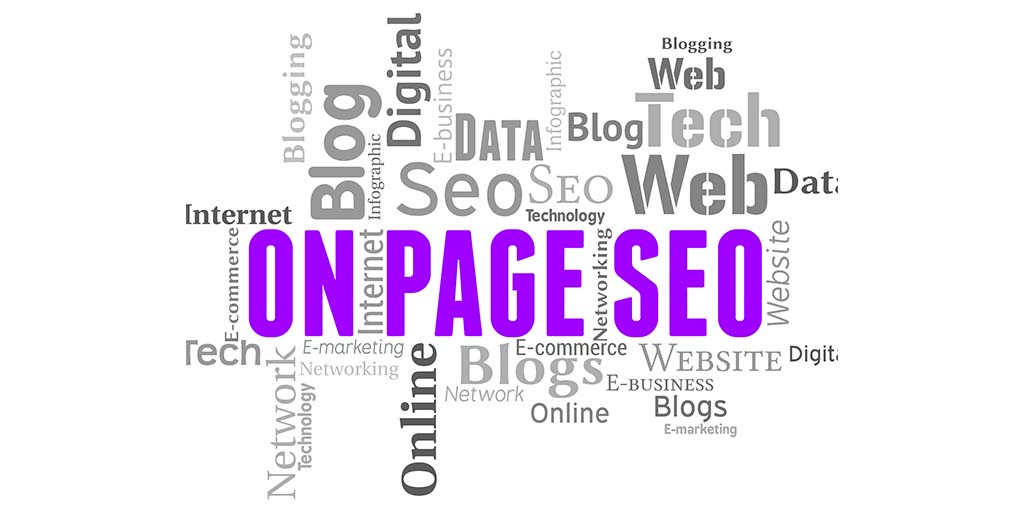
9 On-page SEO Tips for Getting Noticed

[vc_row][vc_column][vc_column_text]Ria started her venture to sell organic beauty products with a twinkle in her eye. She had big dreams of establishing a brand catering to tens of thousands of women in a few years. Being a fashionista, she knew the questions and the ups and downs any woman goes through when it comes to the selection of makeup products-  Is it branded? Will it be harmful to my skin? How long will it last once applied? Armed with 5 years of experience as a product manager with a famous beauty product brand, she kick started her startup journey. A bibliophile that she was, Ria translated her passion into her marketing efforts and wrote articles about her brand and answered all the queries related to the products.  Despite creating amazing content, she was extremely disappointed and mystified at the lack of traffic generated on the website. The needle just wasn’t moving! When she searched for ‘Organic beauty products brand in Mumbai’ on Google, her website wasn’t even on the first search page! Why? On-Page SEO In her enthusiasm to create great content, Ria forgot an essential component–on-page SEO. A host of things you can do on your site to improve rankings. Creating great content is only the first step. But, that is not enough.  Related Read: The Secret SAUCE for Creating Great Content  To optimise your online presence and to ensure the peak performance of your website, be up to date with the basics of on-page SEO.  If you are in the same situation as Ria, on-page SEO, or a lack thereof, might be the culprit. Here are a few tips that may help you.[/vc_column_text][vc_custom_heading text=”1. Optimize Keywords” font_container=”tag:h1|font_size:18|text_align:left” google_fonts=”font_family:Lato%3A100%2C100italic%2C300%2C300italic%2Cregular%2Citalic%2C700%2C700italic%2C900%2C900italic|font_style:900%20bold%20regular%3A900%3Anormal” css=”.vc_custom_1563272829745{margin-top: 0px !important;margin-bottom: 0px !important;border-top-width: 0px !important;border-bottom-width: 0px !important;padding-top: 0px !important;padding-bottom: 10px !important;}”][vc_column_text]Keywords are the building blocks of SEO and a fundamental part of how search engines work. Search engines match the keywords entered in the search with the keywords appearing on thousands of pages. The websites containing the relevant keywords are then displayed to the reader. The rank of your website depends on various other things too, but keywords are a starting point.  E.g. Ria should have focused on keywords like beauty products, makeup products, organic beauty products etc. as some basic keywords in her content pieces. Usage of these words would have told Google what her site is about.  An easy trap to fall into here is the usage of excessive keywords also known as keyword stuffing. The keywords should naturally flow into your content. They should be a part of the content. They should not look forced and definitely should not be overused. The actual figures will vary depending on the length of the article.  Tip: For a 1k word article, a keyword density of 2% – 2.5% is considered good  [/vc_column_text][vc_custom_heading text=”2. Use a Catchy Title and Don’t Ignore the Meta Title” font_container=”tag:h2|font_size:18|text_align:left” google_fonts=”font_family:Lato%3A100%2C100italic%2C300%2C300italic%2Cregular%2Citalic%2C700%2C700italic%2C900%2C900italic|font_style:900%20bold%20regular%3A900%3Anormal” css=”.vc_custom_1563272834884{margin-top: 0px !important;margin-bottom: 0px !important;border-top-width: 0px !important;border-bottom-width: 0px !important;padding-top: 0px !important;padding-bottom: 10px !important;}”][vc_column_text]The title is the first thing that a reader notices. It’s the hook that reels them in. Write a short, catchy title that talks about your article. The reader should understand what the article is about. While you write a title that’s clickbaity, substance in the title should not be compromised. If you don’t provide good content with the title, it will drive away visitors. Don’t say, “2 feuding actors met at an awards show. You will never guess what happened next”. And the article? They met, nodded to each other and walked away.  Good luck bringing back any visitors who read this article. Tip: An actionable title with numbers has been empirically proven to improve click rates. E.g. “Top 10 beauty hacks you can do in 5 mins” The meta title or description is the second aspect readers will read on the search results page. A meta title gives the reader some idea of what to expect from the article. And last but not the least, include the primary or a variant of the primary keyword in the title and meta title. If possible, use the primary keyword at the start of the title and use modifiers to possibly capture long-tailed keywords. E.g. “Organic Beauty Products of 2019 That Will Dazzle You.”[/vc_column_text][vc_custom_heading text=”3. Use Title and Body Tags” font_container=”tag:h2|font_size:18|text_align:left” google_fonts=”font_family:Lato%3A100%2C100italic%2C300%2C300italic%2Cregular%2Citalic%2C700%2C700italic%2C900%2C900italic|font_style:900%20bold%20regular%3A900%3Anormal” css=”.vc_custom_1561549271400{margin-top: 0px !important;margin-bottom: 0px !important;border-top-width: 0px !important;border-bottom-width: 0px !important;padding-top: 0px !important;padding-bottom: 10px !important;}”][vc_column_text]Tags are part of the page’s HTML coding. These tags start from H1, H2, H3, H4 etc. in descending order of importance.  These tags can be seen as: <h1>Page Title</h1> H2, H3 etc can be used for various sections on the page. Search engines use these tags as markers to identify the important content on your page. Ensure that whichever CMS you are using assigns the H1 tag to the title.  Tip: If you have used the keyword in the title and wrapped it in H1 tag, that’s a snowball effect for your page! [/vc_column_text][vc_custom_heading text=”4. Glam-Up Your Page with Media” font_container=”tag:h2|font_size:18|text_align:left” google_fonts=”font_family:Lato%3A100%2C100italic%2C300%2C300italic%2Cregular%2Citalic%2C700%2C700italic%2C900%2C900italic|font_style:900%20bold%20regular%3A900%3Anormal” css=”.vc_custom_1561549368457{margin-top: 0px !important;margin-bottom: 0px !important;border-top-width: 0px !important;border-bottom-width: 0px !important;padding-top: 0px !important;padding-bottom: 10px !important;}”][vc_column_text]Include several media elements on your website and page. Media like images and videos decrease the bounce rate and improve the time spent on the site. Both of these factors are viewed favourably by search engines and improve your ranking.  Tip: Give appropriate and keyword-rich image title, alt text and descriptions for your media to boost your on-page SEO [/vc_column_text][vc_custom_heading text=”5. Optimizing your URL” font_container=”tag:h2|font_size:18|text_align:left” google_fonts=”font_family:Lato%3A100%2C100italic%2C300%2C300italic%2Cregular%2Citalic%2C700%2C700italic%2C900%2C900italic|font_style:900%20bold%20regular%3A900%3Anormal” css=”.vc_custom_1561549455297{margin-top: 0px !important;margin-bottom: 0px !important;border-top-width: 0px !important;border-bottom-width: 0px !important;padding-top: 0px !important;padding-bottom: 10px !important;}”][vc_column_text]URLs are commonly known as a web addresses. They should be short and sweet. Try including your keyword in the URL to increase your ranking on Google search. A unique URL needs to be less than 255 characters and use hyphens to separate the different parts. [/vc_column_text][vc_custom_heading text=”6. Link Other Pages on the Site” font_container=”tag:h2|font_size:18|text_align:left” google_fonts=”font_family:Lato%3A100%2C100italic%2C300%2C300italic%2Cregular%2Citalic%2C700%2C700italic%2C900%2C900italic|font_style:900%20bold%20regular%3A900%3Anormal” css=”.vc_custom_1561549510874{margin-top: 0px !important;margin-bottom: 0px !important;border-top-width: 0px !important;border-bottom-width: 0px !important;padding-top: 0px !important;padding-bottom: 10px !important;}”][vc_column_text]Try and interlink other pages of your website in the content. They not only open up other

Hurix April 13, 2023 No Comments

5 Reasons to Integrate Microlearning in Mobile Learning Strategy!

[vc_row][vc_column][vc_column_text]The corporate workforce and or employees of the present times are perennially busy. And due to time being the rarest of commodities available, learning avenues for them need to be easily accessible, quick, concise, and readily available at the time of need. Such continually evolving demands of modern learners gave birth to a new trend of learning, delivered through small chunks of online courses, referred to as Microlearning. In fact, in today’s multitasking and time-crunched environment, microlearning became an appropriate solution to corporate learning requirements. As opposed to traditional learning design, microlearning offers an excellent way of managing time. It doesn’t require long time spans as the employees can take bite-sized lessons in between different activities. In this blog, we are going to discuss everything you need to know about this new e-learning concept, including what it is, its features, benefits, the importance of microlearning in employee engagement, and why you need to integrate the same in your e-learning strategy.[/vc_column_text][vc_custom_heading text=”So, what exactly is Microlearning?” font_container=”tag:h2|font_size:18|text_align:left” google_fonts=”font_family:Lato%3A100%2C100italic%2C300%2C300italic%2Cregular%2Citalic%2C700%2C700italic%2C900%2C900italic|font_style:900%20bold%20regular%3A900%3Anormal” css=”.vc_custom_1561720171842{margin-top: 0px !important;margin-bottom: 0px !important;border-top-width: 0px !important;border-bottom-width: 0px !important;padding-top: 0px !important;padding-bottom: 5px !important;}”][vc_column_text]Microlearning is essentially a type of e-learning strategy that takes considerably less time to complete (anywhere between 2-10 minutes). Available in a variety of interesting formats such as quizzes, videos, games, animations, etc., these small chunks (or nuggets) offer the benefit of both playing to the strengths of the learners as well as assisting in mobile learning. To put it simply, microlearning is a compilation of short, bite-sized learning nuggets. However, they are designed to meet the specific learning outcomes of a particular organization.[/vc_column_text][vc_custom_heading text=”Characteristics of Microlearning” font_container=”tag:h2|font_size:18|text_align:left” google_fonts=”font_family:Lato%3A100%2C100italic%2C300%2C300italic%2Cregular%2Citalic%2C700%2C700italic%2C900%2C900italic|font_style:900%20bold%20regular%3A900%3Anormal” css=”.vc_custom_1561720483294{margin-top: 0px !important;margin-bottom: 0px !important;border-top-width: 0px !important;border-bottom-width: 0px !important;padding-top: 0px !important;padding-bottom: 5px !important;}”][vc_column_text]Irrespective of whether it is used as a structured learning experience or in a more informal setup, microlearning, has the following features-[/vc_column_text][vc_custom_heading text=”1. Variety of Content:” font_container=”tag:h3|font_size:16|text_align:left” google_fonts=”font_family:Lato%3A100%2C100italic%2C300%2C300italic%2Cregular%2Citalic%2C700%2C700italic%2C900%2C900italic|font_style:900%20bold%20regular%3A900%3Anormal” css=”.vc_custom_1561721842315{margin-top: 0px !important;margin-bottom: 0px !important;border-top-width: 0px !important;border-bottom-width: 0px !important;padding-top: 0px !important;padding-bottom: 5px !important;}”][vc_column_text]Microlearning content can be implemented and used in a variety of forms based on the needs and preferences of learners. Some of examples of microlearning content include: Images- pictures and illustrations Text – short paragraphs, phrases, etc. Quizzes, riddles, and tests PowerPoint presentation Short videos and animations Audios-short snippets of speech or music Games [/vc_column_text][vc_custom_heading text=”2. Short & Crisp:” font_container=”tag:h3|font_size:16|text_align:left” google_fonts=”font_family:Lato%3A100%2C100italic%2C300%2C300italic%2Cregular%2Citalic%2C700%2C700italic%2C900%2C900italic|font_style:900%20bold%20regular%3A900%3Anormal” css=”.vc_custom_1561721848415{margin-top: 0px !important;margin-bottom: 0px !important;border-top-width: 0px !important;border-bottom-width: 0px !important;padding-top: 0px !important;padding-bottom: 5px !important;}”][vc_column_text]Microlearning courses or events are short, crisp, and quick, with no defined duration required in its delivery.[/vc_column_text][vc_custom_heading text=”3. Depth:” font_container=”tag:h3|font_size:16|text_align:left” google_fonts=”font_family:Lato%3A100%2C100italic%2C300%2C300italic%2Cregular%2Citalic%2C700%2C700italic%2C900%2C900italic|font_style:900%20bold%20regular%3A900%3Anormal” css=”.vc_custom_1561721855262{margin-top: 0px !important;margin-bottom: 0px !important;border-top-width: 0px !important;border-bottom-width: 0px !important;padding-top: 0px !important;padding-bottom: 5px !important;}”][vc_column_text]Due to their short format and specific objective-driven nature, micro-learning has more impact, with heavier focus being given to a specific concept, topic, or idea.[/vc_column_text][vc_custom_heading text=”5 Reasons to Integrate Microlearning in Mobile Learning Strategy” font_container=”tag:h2|font_size:18|text_align:left” google_fonts=”font_family:Lato%3A100%2C100italic%2C300%2C300italic%2Cregular%2Citalic%2C700%2C700italic%2C900%2C900italic|font_style:900%20bold%20regular%3A900%3Anormal” css=”.vc_custom_1561720644421{margin-top: 0px !important;margin-bottom: 0px !important;border-top-width: 0px !important;border-bottom-width: 0px !important;padding-top: 0px !important;padding-bottom: 5px !important;}”][vc_column_text]Now that we have a fair idea of what microlearning is, let’s dig deeper into the benefits of microlearning towards achieving employee engagement and why it should be an essential part of your mobile learning strategy. Over the last few years, there has been a consistent rise in the integration of mobile learning as an important part of several organizations’ training modules. On top of that, the sudden spike in the millennial workforce and heavy use of smartphones and tablets by employees has helped mobile learning gain further momentum. More and more employees today work outside the office- from home, during a commute, customer sites, etc.,- leading to another popular concept called ‘Bring Your Own Device‘ (BYOD). It allows employees to use their own smartphones at work, including access to different corporate resources and apps. Together, the combined power of microlearning and mobile learning/m-Learning can help organizations multiply the impact of their training delivery manifolds.[/vc_column_text][vc_custom_heading text=”Here we are outlining 5 reasons why you should adopt a combination of MicroLearning and MLearning to get better results-” font_container=”tag:h1|font_size:18|text_align:left” google_fonts=”font_family:Lato%3A100%2C100italic%2C300%2C300italic%2Cregular%2Citalic%2C700%2C700italic%2C900%2C900italic|font_style:900%20bold%20regular%3A900%3Anormal” css=”.vc_custom_1681992770280{margin-top: 0px !important;margin-bottom: 0px !important;border-top-width: 0px !important;border-bottom-width: 0px !important;padding-top: 0px !important;padding-bottom: 5px !important;}”][vc_custom_heading text=”1. Microlearning is Better Adapted for Mobile Devices:” font_container=”tag:h3|font_size:16|text_align:left” google_fonts=”font_family:Lato%3A100%2C100italic%2C300%2C300italic%2Cregular%2Citalic%2C700%2C700italic%2C900%2C900italic|font_style:900%20bold%20regular%3A900%3Anormal” css=”.vc_custom_1561721037104{margin-top: 0px !important;margin-bottom: 0px !important;border-top-width: 0px !important;border-bottom-width: 0px !important;padding-top: 0px !important;padding-bottom: 5px !important;}”][vc_column_text]Microlearning as an e-learning strategy is better adapted for mobile/smart devices when compared to any other kind of learning. These microlearning modules are designed so they can be easily incorporated into other blended learning strategies as well. Making optimal use of mobile devices, these nuggets can combine both classroom and online learning into a single training delivery to further enhance learner engagement as well as encourage collaboration among teams. Related: Benefits of Investing in Custom eLearning Courses for Your Enterprise[/vc_column_text][vc_custom_heading text=”2. Hold the Learners Attention:” font_container=”tag:h3|font_size:16|text_align:left” google_fonts=”font_family:Lato%3A100%2C100italic%2C300%2C300italic%2Cregular%2Citalic%2C700%2C700italic%2C900%2C900italic|font_style:900%20bold%20regular%3A900%3Anormal” css=”.vc_custom_1561721029718{margin-top: 0px !important;margin-bottom: 0px !important;border-top-width: 0px !important;border-bottom-width: 0px !important;padding-top: 0px !important;padding-bottom: 5px !important;}”][vc_column_text]The attention span of most modern learners isn’t very high. Irrespective of the topic, as soon as the training goes on for more than a few minutes, these learners not only start losing out on their attention span, but their retention of information also decreases. By integrating microlearning with your mobile learning strategy, you complement the speed of the learners’ attention spans as well as their interactions.[/vc_column_text][vc_custom_heading text=”3. Greater Learner Engagement:” font_container=”tag:h3|font_size:16|text_align:left” google_fonts=”font_family:Lato%3A100%2C100italic%2C300%2C300italic%2Cregular%2Citalic%2C700%2C700italic%2C900%2C900italic|font_style:900%20bold%20regular%3A900%3Anormal” css=”.vc_custom_1561721060592{margin-top: 0px !important;margin-bottom: 0px !important;border-top-width: 0px !important;border-bottom-width: 0px !important;padding-top: 0px !important;padding-bottom: 5px !important;}”][vc_column_text]When it comes to learner engagement, short and crisp information is the way to go. The benefit of integrating microlearning into your mobile learning strategy is that it allows you to tap into the learners’ habit of regularly using their mobile devices. Additionally, the shortened length of the content to be learned (microlearning) allows modern learners to remain invested in the content and also engage them to take the initiative of continuing their search for more information.[/vc_column_text][vc_custom_heading text=”4. Allows to Adjust Learning into Busy Schedules:” font_container=”tag:h3|font_size:16|text_align:left” google_fonts=”font_family:Lato%3A100%2C100italic%2C300%2C300italic%2Cregular%2Citalic%2C700%2C700italic%2C900%2C900italic|font_style:900%20bold%20regular%3A900%3Anormal” css=”.vc_custom_1561721085058{margin-top: 0px !important;margin-bottom: 0px !important;border-top-width: 0px !important;border-bottom-width: 0px !important;padding-top: 0px !important;padding-bottom: 5px !important;}”][vc_column_text]Due to stricter schedules and long working hours, the modern-day workforce is constantly looking for smarter and quicker L&D solutions. Therefore, the learning for them needs to be adjusted such

Hurix April 13, 2023 No Comments

How to Upskill Your Employees with Business Application Training

[vc_row][vc_column][vc_column_text]With technological advancements, business applications are evolving rapidly and thus, application training has gained momentum in enterprise L&D. In the last decade, a plethora of innovations have become mainstream technologies. With artificial intelligence, machine learning, and robotics leading the way, many enterprises are leveraging technology to drive business growth. This makes application training essential to help your employees adapt to the evolving work trends and upskill themselves to meet the changing demands. The Need to Upskill Your Employees According to the organization for Economic Co-operation and Development study, there is a 50% chance that nearly 46% of all jobs will become obsolete or be altered beyond recognition in the near future. Similarly, an International Commission on Financing Global Education Opportunity report states that an estimated 30% of students graduating from secondary schools will lack the skills needed to perform most jobs. Positions that require the knowledge of the following domains are predicted to remain unfilled at an unprecedented scale.  Artificial Intelligence (AI) The Internet of Things (IoT) Machine Learning (ML) Robotics It is quite evident that with technological advancements, employees will be expected to adapt to new skills to perform better. The question is – How can they assimilate themselves to the ever-changing technological world?  The Answer Lies in Application Training The evolution of technology has sparked an interest in online application training for employees. The term refers to an expansion of the capabilities of the existing workforce, thereby equipping them with the skills needed to adapt to the rapidly changing economy and improve the scope of their employability. Such initiatives can be organized at industry or community levels. However, at this stage, this is being primarily done at an organizational level. Upskilling is a comprehensive initiative aimed at imparting applicable knowledge that can be converted into productive results. Through application training people aren’t just learning new skills in theory but acquiring practical knowledge that will enhance their productivity.  A crucial aspect of any training initiative including application training is identifying which skills would hold most valuable in the future. It is only by putting together the right combination of these elements that one can hope to design an effective application training program.[/vc_column_text][vc_custom_heading text=”The Role of Business Application Training in Upskilling Employees” font_container=”tag:h1|font_size:18|text_align:left” google_fonts=”font_family:Lato%3A100%2C100italic%2C300%2C300italic%2Cregular%2Citalic%2C700%2C700italic%2C900%2C900italic|font_style:900%20bold%20regular%3A900%3Anormal” css=”.vc_custom_1575895341787{margin-top: 0px !important;margin-bottom: 0px !important;border-top-width: 0px !important;border-bottom-width: 0px !important;padding-top: 0px !important;padding-bottom: 10px !important;}”][vc_column_text]L&D teams across industry verticals are continually looking for ways to make application training programs more effective and impactful. With 62% of media consumption of any form happening on mobile devices, dedicated corporate training apps are fast gaining a strong footing. These business application training apps place great emphasis on personalized learning, giving the learner complete control of their learning journey. By allowing them to consume training materials anytime, anywhere in the form of videos, audios, books, and targeted course modules designed by thought leaders. When enterprises use online content delivery platforms for business application training, they make the process of learning truly dynamic by leveraging features such as: A diverse mix of learning modalities that can cater to individual learning abilities and styles. Clean UX design that delivers a rich user experience. Ability to track progress in tangible terms through analytics, reporting, and measurement. Extensive discovery and search options. Curated learning plans complete with featured topics.  Personalized recommendations for learning depending on the skill set of the employees. Connecting employers across the organization to create an atmosphere of collaboration and social learning. Mobile app-based learning. A full suite of administrative features and learning options. A responsive, mobile app-based, optimized learning management system makes a perfect fit for any business application training program. To find the ideal platform for delivering business application training, you must first identify the reason behind undertaking an application training program. For a lot of organizations, the end goal is to enhance employee retention and development. Right Content on the Right Platform Once your application training goal has been clearly identified and established, you can begin the process of delivering the right kind of content to add value to your application training program. Here are a few ways in which you can effectively deliver the right content on the right platform: Off-the-Shelf Training Materials Webinars Recording Live Training Sessions eLearning Modules Customized eLearning Programs Off-the-Shelf Training Materials  These are great tools to deliver high quality, specialized content to your employees. Some of the features of Off-the-Shelf training materials are: Developed by SMEs Adhere to a high standard of content quality Quick to implement Easy to upload on your application training platform Easy to run a test and launch These courses can be a bit expensive, but if budgetary constraints are not a concern, these are quite effective for delivering business application training. Webinars All the webinars pertaining to the workings of the new business application adopted by an enterprise can be recorded and uploaded to the online training platform. Some benefits of webinars include: Encourages application training through bite-sized modules Convenience Affordability Easy exchange of information Long term value Easy to store presented content Recording Live Training Sessions  Another way to add content to your mobile app or other online training platforms is to record every live application training event. Optimize the quality of this learning exercise by investing in high-quality equipment such as a lapel mic and multiple cameras to deliver a better learning experience to your employees.  eLearning Modules  Instead of investing time and money in creating content for business application training, you can outsource the entire exercise to an established eLearning service provider to create an application training module for you.  This will help you to: Focus on your unique business needs Save training cost Reduce training time Deliver personalized training Motivate employees to learn Read more about the benefits of investing in custom eLearning courses for your enterprise. Customized eLearning Programs  Alternatively, you can create your own in-house application training program. The benefit of this approach to any business application training exercise is that you can help your employees understand exactly how a new application

Hurix March 27, 2023 No Comments

10 Best Practices in Blended Learning

[vc_row][vc_column][vc_column_text]Blended learning refers to the use of more than one delivery method to provide enhanced learning.  Originally, blended learning referred to the addition of an online segment to the traditional classroom courses. However, the evolution of technology has ensured a more or less equal share between online and offline methods. No matter which component weighs more than the other, the fact remains that blended learning uses more than one approach to learning to ensure better learning outcomes. Related: Advantages of Blended Learning over Traditional eLearning Methods[/vc_column_text][vc_custom_heading text=”Here are some advantages of following a blended learning strategy.” font_container=”tag:h2|font_size:18|text_align:left” google_fonts=”font_family:Lato%3A100%2C100italic%2C300%2C300italic%2Cregular%2Citalic%2C700%2C700italic%2C900%2C900italic|font_style:900%20bold%20regular%3A900%3Anormal” css=”.vc_custom_1679921405206{margin-top: 0px !important;margin-bottom: 0px !important;border-top-width: 0px !important;border-bottom-width: 0px !important;padding-top: 0px !important;padding-bottom: 10px !important;}”][vc_column_text] Multi-Platform Learning: Learners are no longer restricted to a single delivery channel to meet their learning needs. For example, in a traditional classroom setting, an instructor teaches an entire class comprising of students with diverse capabilities, attention spans, and levels of interest, which means that not all learners get a level playing field. A blended approach allows learners to go beyond a single delivery platform to other mediums to plug their gaps in learning. For the more intelligent ones, it opens up new avenues to further build on their skillsets. Promotes a Continuous Learning Approach: Since learners have access to multiple avenues for learning, they can leverage the best of both worlds to upgrade their skills and knowledge. Thus, blended learning promotes a continuous learning approach, which is more effective at creating a deeper understanding. Provides Opportunities for Social Learning and Collaboration: Learners can interact with their instructor and peers in a classroom setting; besides, they can also extend the collaboration to a global community on online forums and social media for a more enriched experience. Reach a Geographically Dispersed Audience: As companies go global, there is a need to take training beyond traditional classroom settings. Technology-enabled delivery can reach a geographically dispersed audience, thus providing savings in terms of time and cost. Access Ready References: A combination of online learning and classroom learning can also help to save time, which is a precious resource in enterprises with employees already straddling a host of job responsibilities. In blended learning, instructors can share online materials that provide a context of the concepts to be taught in classrooms, which the learners can access and prepare before coming to the class. This not only saves instructor and classroom time but also ensures that all learners are on the same page and are ready to move on to the next during the offline training session. Related: Is Blended Learning the Right Approach for Your Enterprise?[/vc_column_text][vc_custom_heading text=”Here are Top 10 Blended Learning Best Practices:” font_container=”tag:h2|font_size:18|text_align:left” google_fonts=”font_family:Lato%3A100%2C100italic%2C300%2C300italic%2Cregular%2Citalic%2C700%2C700italic%2C900%2C900italic|font_style:900%20bold%20regular%3A900%3Anormal” css=”.vc_custom_1679921455531{margin-top: 0px !important;margin-bottom: 0px !important;border-top-width: 0px !important;border-bottom-width: 0px !important;padding-top: 0px !important;padding-bottom: 10px !important;}”][vc_column_text]Designing lessons for blended learning takes on a different approach from designing a stand-alone course. Here are ten best practices for blended learning. Design Your Course to Meet Specific Learning Outcomes:While designing your blended learning courses, keep in mind to focus on your learning objectives and not the latest technology. A Judicious Mix of Technology and the Human Element:While the millennial generation is more tech-savvy, the older generation is seen to be more comfortable with the traditional settings. While designing your blended learning courses, it is a good idea to conduct a survey to understand what delivery methods your employees are most comfortable with. Remember, technology cannot replace the warmth, comfort and security of a human interaction. Ensure that there is a judicious mix of both to retain the learners’ interest and ensure deep learning outcomes. Consider Use Cases: Apart from taking learners’preference into account, also take into account previous use cases to understand what blended delivery methods meet your employees’ learning needs. For example, you may require training courses for your sales personnel. It is likely that your sales team members may be isolated from each other, given that it is a field job, and so they may prefer a blended learning approach that also incorporates online communities where they can seek advice and share experiences. Design Your Blended Learning Course to Meet Your Organizational Drivers:Understand the underlying purpose for using a blended learning approach. Do you wish to reach a wider audience or meet the needs of varied learners? Also, it’s important to keep your budget in mind. For example, if you are on a limited budget, you may just add some online elements to your traditional classroom settings. And if you are a mid-sized or large organization with more aggressive training requirements across geographies, you may make online learning a focal point of your blended learning strategy with instructor and peer support playing a support role. Design Your Courses for Greater Synergy:While designing your blended learning courses, ensure that the different delivery methods you choose fit in well together to create a unified whole. Link elements of each approach in a way that all components work to reinforce and augment each other. Design Your Courses from the Scratch:You may be tempted to redesign your existing courses to make them suitable for blended learning, however, a better approach is to redesign courses from the start. The advantage of this is that when designing afresh, you will not be shackled to your previous approach. Consider a Full Range of Options:Designing your blended learning courses will consume time, resources and money. It is a good idea to conduct some research to understand the full range of options including technologies, different learning management systems and apps, and on-the-job options such as coaching and mentoring before taking the plunge. It is also a good idea to study your competition to understand the best approach to follow. Make Provision for Engagement:One of the greatest advantages of following a blended learning approach is that it opens up so many new avenues for engagement. In a classroom setting, engagement is restricted to the instructor and peers. By adding online communities and social media elements, you can expand the learning horizons beyond borders and ensure a more enriched and satisfactory learning experience. Evaluate the Course with a Pilot:

Hurix March 27, 2023 No Comments

9 Reasons for the Growth of eLearning in Education

[vc_row][vc_column][vc_column_text]“Over 30 per cent of higher education students are taking at least one distance course online in the USA. According to a report by KPMG, the online education sector will grow by 10 million users by 2020.” The concept of traditional learning has been changed radically when classroom training was the only option for learners. With the increased adoption of the Internet and new technologies, it is possible to access quality education online using a computer and web connection. It is the technological era when eLearning in education is quite common and a revolutionary concept, too. Online education is a sensible choice that has proven to be useful for most of the learners. It does not matter whether you are a teenager or an adult, eLearning in education can always help you in sharpening your skills and grow your career, eventually. The meaning of eLearning is getting trained from anywhere in the comfort of your home without travelling to any place. Keep on reading to find out the 10 most compelling reasons how eLearning is the future of education and why you should take the training online.[/vc_column_text][vc_custom_heading text=”Let’s discuss each of them one by one and learn how eLearning in education is the future in detail below:” font_container=”tag:h2|font_size:18|text_align:left” google_fonts=”font_family:Lato%3A100%2C100italic%2C300%2C300italic%2Cregular%2Citalic%2C700%2C700italic%2C900%2C900italic|font_style:900%20bold%20regular%3A900%3Anormal” css=”.vc_custom_1679921216999{margin-top: 0px !important;margin-bottom: 0px !important;border-top-width: 0px !important;border-bottom-width: 0px !important;padding-top: 0px !important;padding-bottom: 10px !important;}”][vc_column_text] 1. More Flexible eLearning allows students to set up their own learning space. There is flexibility to decide on your schedule as per the requirements that fit your agenda. So, you can better balance your studies without disrupting your current schedule. Also, you will learn how to manage your time effectively and be a multitasker, too. When learning new things, you can give a new boost to your career and start growing eventually. 2. Wider Choices Today, in the modern space, there are infinite subjects to learn and you can pick anyone that suits your interests and background. For example, if you belong to an IT background, you can take training in a new discipline like Salesforce, Tableau, AI, and more. When more and more courses are bursting onto the scene, you should make a wise decision that can help you to advance your career. There is a chance to get certified in the related courses or valid diplomas. You don’t have to go to universities or campuses for four years but choose the course of your interest and continue with your education. It is suitable for everyone from pre-college students to high school learners. 3. Highly Accessible Content eLearning in education enables you to learn from anywhere across the globe. There is no need to commute from one place to another that saves your time and effort. You can spend that money on other things. There are LIVE instructor-led classrooms where you can interact with mentors directly and ask your queries quickly. 4. Customized Learning Resources Online education can be availed in multiple modes. You can learn in a group or you can ask for customized classes where the course content is specially curated for you. LIVE instructor-led classes witness more interaction than self-paced online learning. Mentors focus on your problems and personal interests more. Also, they can better understand your strengths and weaknesses. Usually, all eLearning platforms deliver study materials in different forms like PPTs, assignments, MCQs, blogs, articles, whitepapers, e-books, etc. You don’t have to go anywhere and master everything from scratch to the advanced level. Here’s more on the best eLearning course to fit custom requirements. 5. Cost-Effective Loan Options When compared to classroom training, virtual training is usually less expensive and affordable. Also, there is a wide range of payment options where you can pay in instalments. These days you have student loans where you don’t have to pay any interest or extra charges on instalments. In the case of eLearning, you don’t have to spend money on books or other study materials. Overall, it is less expensive and more result oriented. 6. Different Learning Resources Elearning in education has replaced the traditional style of learning where you have to study everything from books. Today, you can focus on specific modules online that interests you. Also, learning materials are available in different formats like video contents, presentations, or complete tutorial PDFs, etc. 7. Exciting Learning Opportunities With the development of eLearning tools, you can expect interesting learning opportunities where you can improve learning skills through innovative approaches. Online education gives you the right confidence to perform the best at the time of the interview and other discussions. You can represent yourself more confidently and shine out in the crowd. Here are things to consider before investing in eLearning development tools. 8. Project-based Learning When you are learning online, you will get assignments after each module to evaluate your learning. In the end, you will get a chance to work on real-time projects where you can learn to implement your skills and knowledge. Project-based learning usually makes you more productive and industry-ready. It will also tell you where you stand, and the improvement you need to make. 9. Blended Learning Students who combine their classroom learning with online training are usually more successful in their career paths. They usually draw higher salary packages among their colleagues. There are several platforms that give constant support and resolve your queries promptly. Here’s more on how to deliver blended learning courses effectively.[/vc_column_text][vc_custom_heading text=”In Conclusion:” font_container=”tag:h4|font_size:18|text_align:left” google_fonts=”font_family:Lato%3A100%2C100italic%2C300%2C300italic%2Cregular%2Citalic%2C700%2C700italic%2C900%2C900italic|font_style:900%20bold%20regular%3A900%3Anormal” css=”.vc_custom_1679921292524{margin-top: 0px !important;margin-bottom: 0px !important;border-top-width: 0px !important;border-bottom-width: 0px !important;padding-top: 0px !important;padding-bottom: 10px !important;}”][vc_column_text]The blog gives you healthy information on facts about why eLearning is the future of education. eLearning in education brings measurable differences in student engagement and performance. It reduces the gap in delivery of education and gives a new dimension to the education sector. Technology has forever changed the way how is education delivered and shared. It is encouraging students to pursue their degrees or certifications. Also, elearning in education sector has been adopted by many due to the wide-spread access and plenty of benefits it offers that we have

Hurix March 27, 2023 No Comments

Why Should Colleges and Universities Develop eLearning Programs?

[vc_row][vc_column][vc_column_text]Do you know that only 7 out of every 100 people have a college degree globally? Do you also know that more than half the world’s population has access to the internet? Elearning programs and courses make it easier for students to access college courses and earn degrees. The certifications are recognized by the industry and therefore, aid the student in landing a job. These courses only cost a fraction of the amount a regular college education would cost. Since students can take these courses anywhere and at any time, it makes college degrees a reality, even for those who have to work after school due to financial hardships. Students also get to decide for themselves the number of courses they would like to enroll in. It relieves some of the pressure that comes with a time-restricted college degree. Table of Contents: 5 Benefits of eLearning Programs for Colleges and Universities Understanding What Do Students Want? 10 Steps to Build an Engaging eLearning Program How to Make Your eLearning Program a Success? [/vc_column_text][vc_custom_heading text=”Benefits of eLearning Programs for Colleges and Universities” font_container=”tag:h2|font_size:18|text_align:left” google_fonts=”font_family:Lato%3A100%2C100italic%2C300%2C300italic%2Cregular%2Citalic%2C700%2C700italic%2C900%2C900italic|font_style:900%20bold%20regular%3A900%3Anormal” css=”.vc_custom_1679920622657{margin-top: 0px !important;margin-bottom: 0px !important;border-top-width: 0px !important;border-bottom-width: 0px !important;padding-top: 0px !important;padding-bottom: 10px !important;}” el_id=”benefits”][vc_column_text]While all of these are benefits for students, eLearning programs for higher education colleges benefit the universities even more. Here are the advantages colleges get by providing eLearning programs. 1. Cost-Efficiency eLearning programs are substantially cost-efficient for colleges. A single program can be accessed by thousands of students globally without having to invest more in infrastructure to accommodate these students. 2. Corporate Partnerships Elearning programs are an excellent way to attract corporate partnerships. Organizations may want their employees to gain a particular skill set but training them in-house might be a strain on their resources. Colleges can enter into an agreement with such organizations to provide elearning courses tailored to meet their specific demands. 3. Increased Revenues eLearning for higher education colleges can increase the revenue for colleges and universities with minimal investment. You can record and upload the classes conducted within the campus. Creating and maintaining the portal, updating the course material every few semesters, and the cost of recording equipment is your only major investments. 4. Get More Placements When a student from your college joins a company and excels in the workplace, the company is likely to visit your campus regularly for placements. With an eLearning program, the number of students with a degree or certification from your college increases manifold, and so does the prospect of getting more companies to visit your college for placements. 5. Curriculum Updates An increase in collaboration with the corporate world helps you gauge the current requirements of the industry. You can use this knowledge to upgrade your curriculum so that your students have the skill sets required to land a job.[/vc_column_text][vc_custom_heading text=”What Do Students Want?” font_container=”tag:h2|font_size:18|text_align:left” google_fonts=”font_family:Lato%3A100%2C100italic%2C300%2C300italic%2Cregular%2Citalic%2C700%2C700italic%2C900%2C900italic|font_style:900%20bold%20regular%3A900%3Anormal” css=”.vc_custom_1679920760920{margin-top: 0px !important;margin-bottom: 0px !important;border-top-width: 0px !important;border-bottom-width: 0px !important;padding-top: 0px !important;padding-bottom: 10px !important;}” el_id=”understanding”][vc_column_text]Before you build an engaging and interesting program for elearning for higher education colleges, it is pertinent to understand what goes into making a good elearning program. Here’s what students look for in a program: The course should be relevant. No one wants to take a program that is outdated and not relevant Students also look for programs that can add value to their resume and help them get a job. The content needs to be engaging and interactive. Students will not subscribe to a monotonous elearning course. The program should evaluate the students’ understanding of the subject and provide feedback regarding improvements. Students are enticed by courses that try to explain concepts visually. [/vc_column_text][vc_custom_heading text=”How to Build an Engaging ELearning Program” font_container=”tag:h2|font_size:18|text_align:left” google_fonts=”font_family:Lato%3A100%2C100italic%2C300%2C300italic%2Cregular%2Citalic%2C700%2C700italic%2C900%2C900italic|font_style:900%20bold%20regular%3A900%3Anormal” css=”.vc_custom_1679920911232{margin-top: 0px !important;margin-bottom: 0px !important;border-top-width: 0px !important;border-bottom-width: 0px !important;padding-top: 0px !important;padding-bottom: 10px !important;}” el_id=”steps”][vc_column_text]Developing an elearning program for higher education colleges may seem like a daunting task. Here are a few pointers to know while creating elearning programs for higher education 1. Know Your Audience It is perhaps the common thread that runs through all online content. The course should be tailored to meet the needs of the audience. You can get an idea of the most sought-after courses online from other such elearning platforms and ensure that you deliver these courses. 2. Define the Structure The course should have a well-defined structure, specifying all the topics that will be covered. It helps the students decide whether or not they should take the course. 3. Add Visuals A picture is worth a thousand words. Make sure your course is loaded with helpful visuals that make it easier for students to grasp the concepts. 4. Make the Course Relevant It is extremely vital that the course is in touch with the present times. The program should mention how the concepts apply to the present world. It helps keep the students motivated. 5. Mention the Pre–requisites It is disheartening for a student to start a course and then realize that they aren’t familiar with many of the basic concepts required for the class. To avoid such situations, make sure that all courses mention the prerequisites clearly. 6. Modularize the Courses Just as a course on campus is spread over various classes, an elearning program needs to be sub-divided into various modules too. These modules make it easier for students to follow the course and prevent cognitive overload. 7. Practical Knowledge Make sure the program contains plenty of opportunities for the students to test their knowledge. It keeps them motivated to keep going and improves their understanding. Have the students develop models or work on real-time case scenarios. 8. Offer Support  Students may have doubts when they are taking the program, and some of them may not be answered in the course. You should provide avenues for students to get their doubts cleared. An option at the bottom of the screen to ask doubts would be ideal. 9. Continuous Updates Revise the program, periodically. It keeps the program from becoming outdated. To make this process easier, create the course in such a manner that revising

Hurix March 23, 2023 No Comments

The Making of Future-proof Online Learning Programs and Courses

[vc_row][vc_column][vc_column_text]Online education with the help of online learning program development, of late, has been gaining massive popularity and a robust following. A study conducted in 2017 by Allen and Seamen found that almost all of the students in the US take at least one online class, and up to 48% of them are only taking online classes. Enrollment in fully online programs has been growing at a 4% annual rate in the US. [/vc_column_text][vc_custom_heading text=”Increase in the Number of Online Learning Programs” font_container=”tag:h2|font_size:18|text_align:left” google_fonts=”font_family:Lato%3A100%2C100italic%2C300%2C300italic%2Cregular%2Citalic%2C700%2C700italic%2C900%2C900italic|font_style:900%20bold%20regular%3A900%3Anormal” css=”.vc_custom_1679558237893{margin-top: 0px !important;margin-bottom: 0px !important;border-top-width: 0px !important;border-bottom-width: 0px !important;padding-top: 0px !important;padding-bottom: 10px !important;}”][vc_column_text]Below are a few recent facts about online learning programs: In January and February 2019, BestColleges, a platform dedicated to providing information regarding the best learning institutions in the US, released a study on future trends in online education, based on two surveys. The findings revealed that career and employment goals have been a constant source of motivation over the past three years. Almost 69% of the people surveyed fell into the “career-minded” category. A report published by the US Education Department’s National Center for Education Statistics in 2018 shows that the number of students who took at least some of their courses online in 2017 grew by more than 350,000 — a healthy 5.7% increase from 2016.  The same report indicated that the proportion of all students who were enrolled exclusively online grew to 15.4% in 2017 (up from 14.7% in 2016).  Meanwhile, students who took a mix of online and offline courses grew to 17.6% in 2017, up from 16.4% in 2016. And the students who took at least one online course rose to 33.1% in 2017, up from 31.1% in 2016. Open distance education universities in Bangladesh, India, Iran, Pakistan, South Africa, and Turkey, currently enroll more than 7 million students combined. Many of the programs are embracing the digital age and incorporating recent forms of e-learning, like Massive Open Online Courses (MOOCs).  According to Class Central, a MOOCs listing provider, there are more than 9,400 online courses that offer extensive education now, compared to only 1,200 in 2013. Consequently, the total number of learners enrolled in MOOCs has shot up to 81 million from 10 million in the same duration. The number of universities now offering MOOCs has also increased from 200 to 800, most of them provided directly by private providers. The above trends suggest that online learning programs are on a steady rise — and that too, on a worldwide scale. Know more about why colleges and universities should develop eLearning programs[/vc_column_text][vc_custom_heading text=”Six Things to Remember Before Creating Online Learning Programs for Colleges” font_container=”tag:h2|font_size:18|text_align:left” google_fonts=”font_family:Lato%3A100%2C100italic%2C300%2C300italic%2Cregular%2Citalic%2C700%2C700italic%2C900%2C900italic|font_style:900%20bold%20regular%3A900%3Anormal” css=”.vc_custom_1679558260742{margin-top: 0px !important;margin-bottom: 0px !important;border-top-width: 0px !important;border-bottom-width: 0px !important;padding-top: 0px !important;padding-bottom: 10px !important;}”][vc_column_text]Here are a few things institutions need to remember before commencing with online learning program development. Here are the Best Practices for Effective Online Course Development[/vc_column_text][vc_custom_heading text=”1. Set a reasonable timeline” font_container=”tag:h3|font_size:18|text_align:left” google_fonts=”font_family:Lato%3A100%2C100italic%2C300%2C300italic%2Cregular%2Citalic%2C700%2C700italic%2C900%2C900italic|font_style:900%20bold%20regular%3A900%3Anormal” css=”.vc_custom_1679558270267{margin-top: 0px !important;margin-bottom: 0px !important;border-top-width: 0px !important;border-bottom-width: 0px !important;padding-top: 0px !important;padding-bottom: 10px !important;}”][vc_column_text]Institutions generally have a certain process in place to create a learning program. They follow a schedule to get the course rolling for the upcoming academic year or semester. However, various factors may lead to scheduling challenges. Instructors may get sick, retire, or resign on short notice, repurposing of course content may be necessary, or, instructors may be too preoccupied with their current workloads. Usually, a six to twelve-month window for online learning program development is recommended if instructors are doing the majority of the work themselves. Although, this duration could be reduced significantly when you outsource the work to vendors.[/vc_column_text][vc_custom_heading text=”2. Align your program to specific learning goals” font_container=”tag:h5|font_size:18|text_align:left” google_fonts=”font_family:Lato%3A100%2C100italic%2C300%2C300italic%2Cregular%2Citalic%2C700%2C700italic%2C900%2C900italic|font_style:900%20bold%20regular%3A900%3Anormal” css=”.vc_custom_1577454995225{margin-top: 0px !important;margin-bottom: 0px !important;border-top-width: 0px !important;border-bottom-width: 0px !important;padding-top: 0px !important;padding-bottom: 10px !important;}”][vc_column_text]Ensure that the course curriculum of your online learning program is aligned with the students’ career goals. A good approach is to identify the concepts that faculties and instructors want the students to learn, determine suitable ways to assess their learning, and then develop the course material and activities to achieve that.[/vc_column_text][vc_custom_heading text=”3. Derive course content from multiple sources” font_container=”tag:h3|font_size:18|text_align:left” google_fonts=”font_family:Lato%3A100%2C100italic%2C300%2C300italic%2Cregular%2Citalic%2C700%2C700italic%2C900%2C900italic|font_style:900%20bold%20regular%3A900%3Anormal” css=”.vc_custom_1679558287995{margin-top: 0px !important;margin-bottom: 0px !important;border-top-width: 0px !important;border-bottom-width: 0px !important;padding-top: 0px !important;padding-bottom: 10px !important;}”][vc_column_text]When gathering the course content, there are several other sources to explore beyond textbook material. These sources include open educational sources (OERs). Early research suggests that learning from OERs is similar to that achieved from traditional textbooks.[/vc_column_text][vc_custom_heading text=”4. Use a suitable Instructional Design Model” font_container=”tag:h3|font_size:18|text_align:left” google_fonts=”font_family:Lato%3A100%2C100italic%2C300%2C300italic%2Cregular%2Citalic%2C700%2C700italic%2C900%2C900italic|font_style:900%20bold%20regular%3A900%3Anormal” css=”.vc_custom_1679558296659{margin-top: 0px !important;margin-bottom: 0px !important;border-top-width: 0px !important;border-bottom-width: 0px !important;padding-top: 0px !important;padding-bottom: 10px !important;}”][vc_column_text]The design plan for your e-learning program should consider all the activities and learning components to be included as a part of the course. Choosing a suitable design model will help you structure the content better. Some of the conventional models include the ADDIE model, Merrill’s First Principles of Instruction, Gagne’s Nine Events of Instructions, and Bloom’s Taxonomy.[/vc_column_text][vc_custom_heading text=”5. Mix your delivery options” font_container=”tag:h3|font_size:18|text_align:left” google_fonts=”font_family:Lato%3A100%2C100italic%2C300%2C300italic%2Cregular%2Citalic%2C700%2C700italic%2C900%2C900italic|font_style:900%20bold%20regular%3A900%3Anormal” css=”.vc_custom_1679558307998{margin-top: 0px !important;margin-bottom: 0px !important;border-top-width: 0px !important;border-bottom-width: 0px !important;padding-top: 0px !important;padding-bottom: 10px !important;}”][vc_column_text]The content of your learning program should be interactive and engaging enough. Otherwise, students might eventually lose interest in it. You can use a mix of several media formats to create engaging content, like text, animations, infographics, and videos. Taking the gamification or storytelling approach also helps in effective delivery of online learning content. Additionally, a responsive design will help your learning platform to scale seamlessly across a wide range of devices and platforms. Related Read – Here’s Everything You Must Know Before Selecting Gamification Services Related Read – Online Education Solutions & the Changing Learning Landscape[/vc_column_text][vc_custom_heading text=”6. Measure your program’s success” font_container=”tag:h5|font_size:18|text_align:left” google_fonts=”font_family:Lato%3A100%2C100italic%2C300%2C300italic%2Cregular%2Citalic%2C700%2C700italic%2C900%2C900italic|font_style:900%20bold%20regular%3A900%3Anormal” css=”.vc_custom_1577455124713{margin-top: 0px !important;margin-bottom: 0px !important;border-top-width: 0px !important;border-bottom-width: 0px !important;padding-top: 0px !important;padding-bottom: 10px !important;}”][vc_column_text]In the end, you would want to determine whether your online learning program is a success, and the best way to do so is to measure its outcomes. If the goal of your program is to certify or meet specific compliance requirements, you might want to consider an assessment or quiz to verify whether the students have achieved the program objectives.

Hurix March 15, 2023 No Comments

MicroLearning vs Mobile Learning – Similarities and Differences

[vc_row][vc_column][vc_column_text]The proliferation of mobile devices and their increasing capabilities have built the case for mobile learning, also known as mLearning. According to a recent report, the number of mobile users worldwide in 2019 is expected to pass the 5 billion mark. As the power, functionality, and affordability of these mobile devices increase, so does their role to support training and education. The Global Human Capital Trends report by Deloitte shows that mobile learning now features among the top 3 business development priorities for companies and ranks only behind the need for seamless business alignment and improved data mining. Mobile learning is often confused with eLearning; however, there is a major difference between the two. In the case of eLearning, the course content is designed for a longer time duration because people can sit for long hours in front of their laptops and desktops. Mobile learning, by its very nature, is untethered and can be done anywhere, anytime. This difference necessitates a difference in approach to the creation of learning modules – an eLearning module can be two to three hours long; however, people are unlikely to stare at their phone screens for such a long duration. As a result, mLearning modules have to be concise and in the form of micro-nuggets that can be easily consumed and absorbed in small bites while waiting for the bus, commuting to and from the office, or on a job site. Apart from mLearning, there is another concept, called microlearning. Microlearning is a way of teaching content to learners in small and very specific nuggets or micro bites. In fact, microlearning is fast gaining currency, given the evolving learning and retention habits of the new tech-savvy generation flooded with information and diversions. So, is micro-learning the same as mobile learning? While they are similar in their ability to allow content to be tailored to learners’ specific needs, there are also some differences between them. Let us now look at both the similarities and differences between mLearning and microlearning.[/vc_column_text][vc_custom_heading text=”Similarities between MicroLearning and Mobile Learning (MLearning):” font_container=”tag:h2|font_size:20|text_align:left” use_theme_fonts=”yes” css=”.vc_custom_1630410563866{margin-top: 0px !important;margin-bottom: 0px !important;border-top-width: 0px !important;border-bottom-width: 0px !important;padding-top: 0px !important;padding-bottom: 5px !important;}”][vc_column_text]These are some of the similarities between microlearning and mobile learning.[/vc_column_text][vc_custom_heading text=”1. User Pacing:” font_container=”tag:h3|font_size:16|text_align:left” google_fonts=”font_family:Lato%3A100%2C100italic%2C300%2C300italic%2Cregular%2Citalic%2C700%2C700italic%2C900%2C900italic|font_style:900%20bold%20regular%3A900%3Anormal”][vc_column_text]The content is designed in a way to allow the learners to move at their own speed – they can take breaks or power through the entire nugget at one go.[/vc_column_text][vc_custom_heading text=”2. Reformatted eLearning Content:” font_container=”tag:h3|font_size:16|text_align:left” google_fonts=”font_family:Lato%3A100%2C100italic%2C300%2C300italic%2Cregular%2Citalic%2C700%2C700italic%2C900%2C900italic|font_style:900%20bold%20regular%3A900%3Anormal”][vc_column_text]The content is designed in a way that it is ready for use on both smartphones and laptops without any compromise in reading quality.[/vc_column_text][vc_custom_heading text=”3. Search Functions:” font_container=”tag:h3|font_size:16|text_align:left” google_fonts=”font_family:Lato%3A100%2C100italic%2C300%2C300italic%2Cregular%2Citalic%2C700%2C700italic%2C900%2C900italic|font_style:900%20bold%20regular%3A900%3Anormal”][vc_column_text]Both have search functionality that allows users to retrieve information via querying the content database or repository.[/vc_column_text][vc_custom_heading text=”4. Flexible Content Design:” font_container=”tag:h3|font_size:16|text_align:left” google_fonts=”font_family:Lato%3A100%2C100italic%2C300%2C300italic%2Cregular%2Citalic%2C700%2C700italic%2C900%2C900italic|font_style:900%20bold%20regular%3A900%3Anormal”][vc_column_text]Both microlearning and mobile learning keep learners engaged by using mixed media or formats of learning content delivery.[/vc_column_text][vc_custom_heading text=”Differences between MicroLearning and Mobile Learning (MLearning):” font_container=”tag:h2|font_size:20|text_align:left” use_theme_fonts=”yes” css=”.vc_custom_1630410694531{margin-top: 0px !important;margin-bottom: 0px !important;border-top-width: 0px !important;border-bottom-width: 0px !important;padding-top: 0px !important;padding-bottom: 5px !important;}”][vc_custom_heading text=”Mobile Learning (MLearning):” font_container=”tag:h3|font_size:18|text_align:left|color:%231c9eda” use_theme_fonts=”yes” css=”.vc_custom_1630410727874{margin-top: 0px !important;margin-bottom: 0px !important;border-top-width: 0px !important;border-bottom-width: 0px !important;padding-top: 0px !important;padding-bottom: 5px !important;}”][vc_column_text]Mobile learning provides contextual content, that is, content that is just in time, just enough and tailored just for the end-user. This approach to learning gives users the right information at the right time to enable them to fill knowledge gaps and efficiently perform their jobs. In mobile learning, the real mobile is the learner and not the device and so it has little to do with size, depth or interactivity of content – it’s the user’s context that makes the learning mobile. An organization’s executive leadership, sales account executives, and field technicians and engineers are some of the people that benefit from mLearning. Such individuals are constantly on the move and need access to vital pieces of information – and they need it immediately, anytime, anywhere. Also, since they have small windows of time available to them between their hectic schedules of appointments, travel, and commute, they seek just-in-time learning, targeted and distilled information, and the ability to learn when it is convenient for them. In other words, they seek an informal learning environment that does not take them away from the action.[/vc_column_text][vc_custom_heading text=”Microlearning:” font_container=”tag:h3|font_size:18|text_align:left|color:%231c9eda” use_theme_fonts=”yes” css=”.vc_custom_1630410776601{margin-top: 0px !important;margin-bottom: 0px !important;border-top-width: 0px !important;border-bottom-width: 0px !important;padding-top: 0px !important;padding-bottom: 5px !important;}”][vc_column_text]Microlearning, on the other hand, is a way of teaching content to learners in small and very specific nuggets or micro bites. It is essentially breaking down a large portion of content into small bites that are complete in themselves. In a world of constant diversions, limited attention span, and evolving mobile technologies, the short format has become more effective, necessitating a division of course content into small bites that can be consumed by end learners in the comfort of their own space, whether in office, home or while on the move. Microlearning basically addresses the learning and retention habits of the millennial generation. According to studies, by 2025, millennials will make up 75% of the workforce and the average span of attention of the millennial generation is 90 seconds, thus building the case for microlearning. Microlearning is more in tune with the 90/20/8 rule that defines the learning span of human beings. According to this rule, people are more alert during the first 8 minutes of their learning after which their attention begins to wane. After 20 minutes, the attention span witnesses a notable dip, and once they reach the 60-120-minute range, the alertness level slips completely. A microlearning nugget is usually within a 3 to 5 minutes window, which means that learners can more effectively understand and retain their learning. Microlearning is not just breaking an 8-hour training module into small nuggets to be consumed by learners at their own pace; in fact, each micro bite is designed to address a specific problem or a definite learner need. Each nugget is kept as crisp as possible while ensuring that it adequately covers a specific learning objective and is easily available to the learners just in

Hurix March 15, 2023 No Comments

The 3Cs of Copy Editing – Correctness, Consistency, Completeness

[vc_row][vc_column][vc_column_text] “A copy editor’s work is largely invisible, until she misses something, in which case she takes the blame. But most important is that a copy editor stands in for the reader, gingerly reshaping, clarifying and correcting things before the reader can see them and post an excoriating comment.” —Merrill Perlman, Former NYT Editor Content is an important part of any business. It is the content that helps businesses differentiate themselves from their competitors. Therefore, it is crucial that the key differentiating factors, benefits and features of your business are put across to the readers in the best possible way. A copyeditor will review your content from a reader’s perspective and make the necessary improvements.[/vc_column_text][vc_custom_heading text=”Purpose of copy editing” font_container=”tag:h2|font_size:18|text_align:left” google_fonts=”font_family:Lato%3A100%2C100italic%2C300%2C300italic%2Cregular%2Citalic%2C700%2C700italic%2C900%2C900italic|font_style:900%20bold%20regular%3A900%3Anormal” css=”.vc_custom_1653645230915{margin-top: 0px !important;margin-bottom: 0px !important;border-top-width: 0px !important;border-bottom-width: 0px !important;padding-top: 0px !important;padding-bottom: 10px !important;}”][vc_column_text]Copy editing is a skill that cannot be taught but developed and improved with change of time. The main purpose of copy editing is to make sure the written copy is free of errors before being published or printed. Copy editing is the process of ensuring a content is correct in terms of syntax and fact, consistent with the flow of the content and style, and complete with respect to the context.[/vc_column_text][vc_custom_heading text=”The 3Cs of copy editing” font_container=”tag:h2|font_size:18|text_align:left” google_fonts=”font_family:Lato%3A100%2C100italic%2C300%2C300italic%2Cregular%2Citalic%2C700%2C700italic%2C900%2C900italic|font_style:900%20bold%20regular%3A900%3Anormal” css=”.vc_custom_1653645222142{margin-top: 0px !important;margin-bottom: 0px !important;border-top-width: 0px !important;border-bottom-width: 0px !important;padding-top: 0px !important;padding-bottom: 10px !important;}”][vc_column_text]To stress the importance of copy editing, every copy editor must keep in mind the principles of copy editing — or The 3Cs of Copy Editing. A good copy editor has an expansive skill set that includes strong attention to detail, an ability to communicate their edits clearly and knowledge about a variety of subject matters.  The 3Cs are as follows: Correctness Consistency Completeness Let us see each factor individually. 1. Correctness How do you ensure accuracy while typing? The term Correctness indicates analysis editing, that is, in simpler terms, checking all the mandatory elements such as front matter [title, author by-line, affiliation, correspondence information with correct contact details, summary/abstract, key terms, history dates, etc.], body matter [setting head levels properly, citations, placements, etc.], and back matter [acknowledgments, funding, conflict of interest, supplementary information, references, notes, etc.] by cross-checking with the submitted raw material.  2. Consistency The second important factor is editing for consistency throughout the work. Consistency means rule-based editing, following in-house styles to avoid ambiguity. A publication looks unprofessional if there is inconsistency in the work. By rule-based editing, we mean checking for all in-house style-related points.  In this step, the submitted work is categorized as a consistent or an inconsistent submission by giving a rough reading, and accordingly an editor edits the content. Some elements of consistency include checking for spelling, hyphenation, quotes, punctuation, italicization, casing, hierarchical order of content, format of variables and symbols, to name a few. 3. Completeness The third vital factor in copy editing is checking for Completeness of a sentence with clarity in the content. Copy editors should focus on correcting the sentence for grammatical errors such as checking for subject–verb agreement and rephrasing improper or incorrect sentences for better clarity. Any long, confusing sentence should be parsed constructively or split into fragmented sentences for better understanding and reading, without affecting the author’s intent. This factor of completeness is related to flair for language.[/vc_column_text][vc_custom_heading text=”Importance of the 3Cs” font_container=”tag:h2|font_size:18|text_align:left” google_fonts=”font_family:Lato%3A100%2C100italic%2C300%2C300italic%2Cregular%2Citalic%2C700%2C700italic%2C900%2C900italic|font_style:900%20bold%20regular%3A900%3Anormal” css=”.vc_custom_1653645216065{margin-top: 0px !important;margin-bottom: 0px !important;border-top-width: 0px !important;border-bottom-width: 0px !important;padding-top: 0px !important;padding-bottom: 10px !important;}”][vc_column_text]Copy editing is a collective combination of analysis, styles/rules, and language. Analysis is linked with correctness, styles and rules with consistency, and language with completeness. All these three factors are interrelated and with the lack of even one factor, copy editing is incomplete.[/vc_column_text][vc_custom_heading text=”In conclusion” font_container=”tag:h2|font_size:18|text_align:left” google_fonts=”font_family:Lato%3A100%2C100italic%2C300%2C300italic%2Cregular%2Citalic%2C700%2C700italic%2C900%2C900italic|font_style:900%20bold%20regular%3A900%3Anormal” css=”.vc_custom_1653645204821{margin-top: 0px !important;margin-bottom: 0px !important;border-top-width: 0px !important;border-bottom-width: 0px !important;padding-top: 0px !important;padding-bottom: 10px !important;}”][vc_column_text]Copy editing or content editing as a whole can be compared to our human eye, the most sensitive part of the human body. If any of the 3Cs fail, then copy editing becomes sensitive. A good copy editor who gives light to a writer’s creation / research always inherits the 3Cs. Hurix Editorial Services team constantly empowers its copy editors with this Golden Mantra which makes them successful editors across the industry. Hurix offers pre-editing and copy-editing services for accurate, polished and impactful content. Talk to us or mail us at marketing@hurix.com[/vc_column_text][/vc_column][/vc_row]